Explore fill dirt posts in New Orleans across free fill dirt, dirt for sale, fill dirt wanted, topsoil, and dumpsites & disposal.
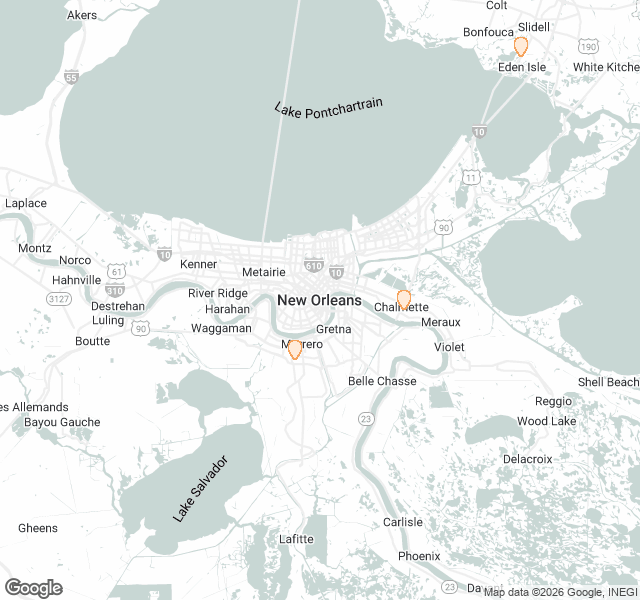
New Orleans members have:
0 yards of dirt available and 33.0K yards of dirt wanted.
How DirtMatch Works
Create a FREE Post
If you have excess dirt or fill, we'll match you with others in your area who need it. If you need dirt, we’ll match you with others who have dirt nearby. It’s that simple.
Connect with Matches
Once your DirtMatch post has matches, message your match directly on DirtMatch to finalize the details of your transaction: location, day/time, hauling etc.
Save Time & Money
You'll save thousands of dollars in disposal fees and trucking costs and countless hours by using DirtMatch to easily move your fill.
Bulk Fill Dirt & Large Dirt Jobs Near New Orleans
Free Fill Dirt in New Orleans
No Free Fill Dirt Found.
Check back later.
Fill Dirt Wanted in New Orleans
Topsoil in New Orleans
Dirt For Sale in New Orleans
No Dirt For Sale Found.
Check back later.
Dirt Dumpsites & Disposal in New Orleans
No Dirt Dumpsites & Disposal Found.
Check back later.
Dirt Haulers in New Orleans
Fill Dirt Suppliers in New Orleans
New Orleans Fill Dirt Market Dynamics
DirtMatch post data from our customers in New Orleans suggest that the region’s low elevations, soft delta soils, and ongoing flood-protection work create a very specific fill dirt market. Much of Orleans Parish sits at or below sea level between the Mississippi River and Lake Pontchartrain, so contractors are constantly raising grades, rebuilding yards, and backfilling utility trenches. In older neighborhoods with narrow streets and saturated clay or organic soils, clean, compactable fill dirt and reliable haulers are especially important. On higher ground around neighboring parishes, more excavation and site cuts can generate surplus material that moves back into the city, helping keep fill dirt costs manageable for homeowners, small contractors, and larger civil jobs using DirtMatch.
The economic side of the fill dirt market in New Orleans is tied to resilience projects, road and utility upgrades, and infill construction in established neighborhoods. Local sourcing matters: trucking material long distances through traffic and across bridges can quickly inflate budgets, so DirtMatch users look for nearby clean fill dirt, screened topsoil, and reuse-friendly dumpsites to control costs. Excavations and new development in surrounding parishes often create surpluses that can offset demand in the city. DirtMatch posts show steady activity for free fill dirt, fill dirt for sale, and topsoil for landscaping, along with strong interest in trusted local haulers who understand wet soils, weight limits, and landfill rules in the greater New Orleans metro.