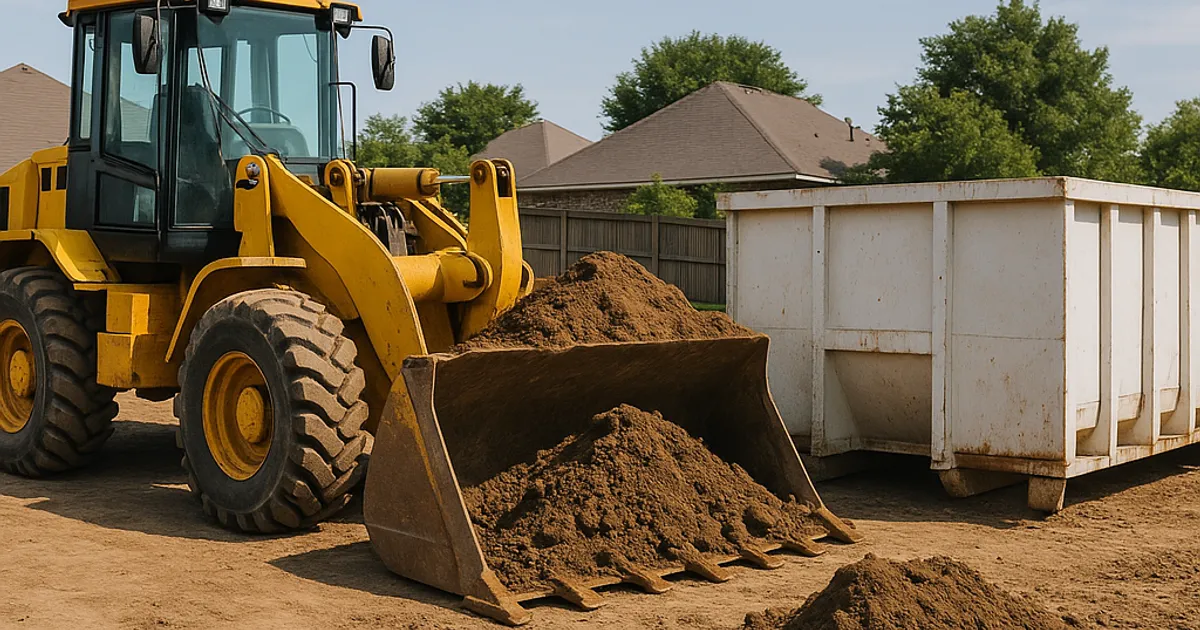
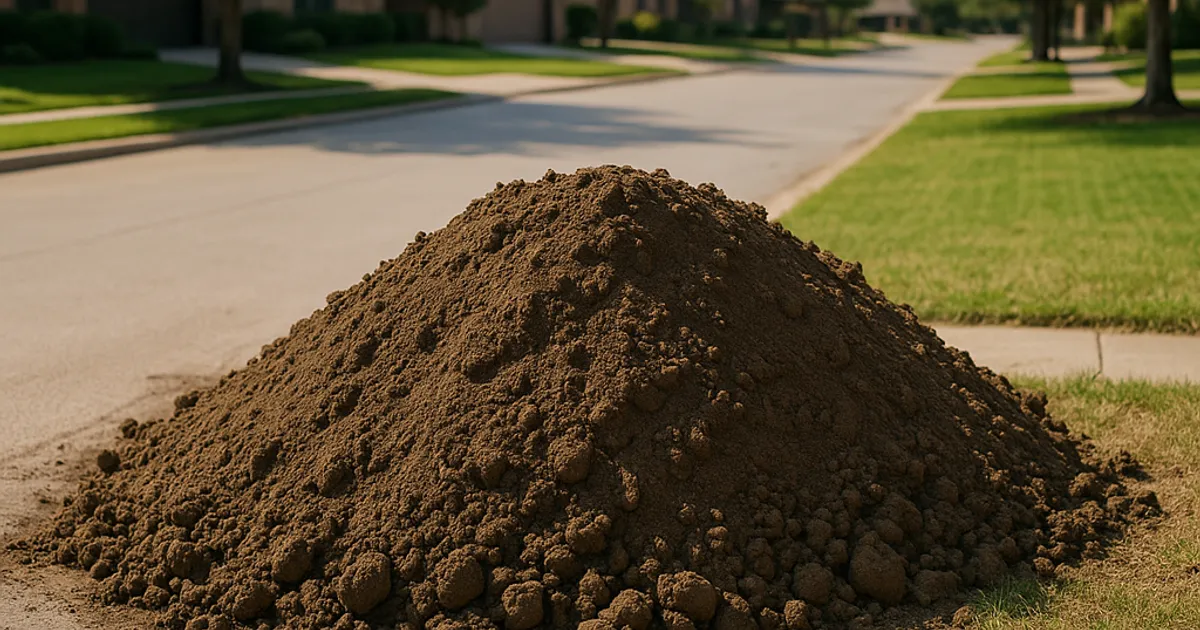
Excavation projects across the Dallas–Fort Worth Metroplex generate millions of cubic yards of displaced soil every year. Whether you're digging a pool in Plano, grading a lot in Fort Worth, or installing a foundation in Garland, that dirt has to go somewhere. Hauling it to a landfill or transfer station costs money — often $15 to $35 per truckload in tipping fees alone, plus fuel and driver time. For larger projects, that math adds up fast.
The good news? A massive parallel market exists in DFW where contractors, landscapers, farmers, and homeowners genuinely need fill dirt — and they'll come pick it up for free. Connecting supply with demand is the key, and in 2026, the tools to do that have never been more accessible.
This guide covers everything you need to know about posting dirt for free pickup in Dallas: the platforms to use, what information to include in your listing, how to screen takers, what legal and environmental disclosures matter, and how to move your material fast without headaches.
Why Free Dirt Giveaways Make Sense in the DFW Market
Dallas is one of the fastest-growing construction markets in the United States. New residential developments, commercial builds, highway expansions, and utility infrastructure projects churn up enormous volumes of soil on a daily basis. At the same time, the region's flat topography and clay-heavy soils mean that contractors and property owners on the receiving end constantly need fill material to raise grades, backfill trenches, build berms, or level lots before construction.
The result is a supply-and-demand imbalance that creates a natural exchange economy. Excavators want to offload dirt quickly to avoid project delays and disposal fees. Fill-seekers want affordable material without the markup charged by commercial suppliers — who may charge $8 to $20 per cubic yard or more for screened or processed fill.
Free dirt giveaways bridge that gap. According to marketplace activity on DirtMatch's fill dirt listings for Dallas, the platform currently shows over 624,000 yards of material available across the region against more than 1.5 million yards needed — meaning demand significantly outpaces supply. That's a favorable signal if you're trying to give dirt away: serious takers are actively looking.
The DFW construction ecosystem also benefits from the region's density of independent contractors, landscaping companies, and hobby farmers in outlying areas like Kaufman County, Ellis County, and Parker County who routinely accept free fill to improve pasture grades or build stock ponds. Your dirt, in other words, has an audience — you just need to reach them effectively.
What Type of Dirt Can You Give Away for Free?
Not all dirt is created equal, and not all of it is appropriate to give away for free pickup without disclosure. Before you post a listing, it's important to honestly assess what you have.
Clean Fill Dirt
Clean fill dirt is the gold standard for free giveaways. It's uncontaminated soil — free of debris, construction waste, organic material, roots, and chemical pollutants — that can be used to raise grades, fill low spots, or support construction. In the DFW area, this typically includes sandy loam, red clay, and mixed native soils that are common across North Texas. Clean fill is what takers want, and it's what moves fastest on giveaway platforms.
Clay-Heavy Soil
North Texas is notorious for its expansive black clay, sometimes called "black gumbo." This material is harder to place and can cause structural problems if used under foundations or in applications requiring stable compaction. It does have legitimate uses — lining stock ponds, building earthen berms, or certain agricultural applications — but you should disclose the clay content prominently in your listing so takers know what they're getting.
Mixed or Debris-Laden Soil
Soil mixed with concrete chunks, asphalt, brick, wood, or other construction debris is not clean fill. Some of this material may still have value as road base or general fill in non-structural applications, but you must be transparent. Burying debris-laden soil on someone else's property without disclosure can create liability for both parties, and in Texas, improper disposal of construction and demolition debris can trigger regulatory scrutiny.
Contaminated or Suspect Soil
If your project involves former industrial land, brownfield sites, dry cleaners, gas stations, or any property with a history of chemical use, do not post that soil for free giveaway without first getting it tested. The EPA's guidelines on contaminated property reuse make clear that liability for hazardous material doesn't automatically transfer just because soil changes hands. In Texas, the Texas Commission on Environmental Quality (TCEQ) regulates the movement and disposal of contaminated soils, and violations can result in significant fines.
When in doubt, a basic soil test costs between $15 and $100 depending on the panel and can give you a defensible record of what you're offering.
Where to Post Free Dirt in Dallas: Platform Comparison
Several platforms exist for listing free dirt in the DFW area, ranging from general classifieds to specialized earthwork marketplaces. Each has different audiences, reach, and feature sets.
| Platform | Audience | Cost | Best For |
|---|---|---|---|
| DirtMatch | Contractors, landscapers, earthwork pros | Free to post | Large volumes, commercial projects |
| Craigslist DFW | General public, homeowners | Free | Small loads, casual pickups |
| Facebook Marketplace | Local community members | Free | Neighborly giveaways, small volumes |
| Nextdoor | Neighborhood-level audience | Free | Hyper-local, homeowner-to-homeowner |
| iHaul / LoadUp | Hauling companies | Varies | When you need someone to haul, not just take |
| Local earthwork forums | Contractors, operators | Varies | Industry-to-industry connections |
For most contractors and construction projects generating significant volumes — think 500 yards or more — a dedicated earthwork platform will outperform general classifieds. General platforms like Craigslist attract a mix of motivated takers and time-wasters who show up with a pickup truck and a shovel when you needed someone with a tandem-axle dump truck. Platforms built for the industry connect you with people who have the equipment to actually move material in volume.
DirtMatch was built specifically to solve this problem, matching excavation surplus with fill demand across the country. Contractors post available material, fill-seekers post their needs, and the platform facilitates connections based on location, material type, and volume. It's free to post a basic listing, which makes it a logical first stop for any Dallas-area contractor looking to offload material.
How to Write an Effective Free Dirt Listing
A poorly written listing is the number one reason dirt doesn't move. Vague descriptions, missing location details, and unclear pickup logistics waste everyone's time and leave your pile sitting longer than it should.
Include These Essential Details
Volume: State the quantity in cubic yards. If you're unsure, estimate conservatively — a standard tandem-axle dump truck holds about 14 to 16 cubic yards, so count your potential truckloads. Listing "a lot of dirt" tells takers nothing useful.
Material type: Be specific. "Sandy loam fill dirt," "native North Texas clay," "mixed clay and rock," or "caliche base" are all meaningful descriptions. Takers are screening for fit with their specific application.
Availability window: How long is the dirt accessible? "Available through April 30" or "project wrapping up in two weeks — needs to move" signals urgency and helps takers plan logistics.
Location (with ZIP code): The DFW Metroplex is enormous. A listing that says "Dallas" could mean anything from downtown to Lewisville to Waxahachie. Include the ZIP code and a general cross-street reference so takers can calculate haul distance.
Access details: Can dump trucks enter the site? Is there room to maneuver? Are there any gate codes or check-in requirements? Is the site active construction with safety requirements? These details prevent surprise logistics failures on pickup day.
Contact method: Specify how you want to be reached and your response hours. If you prefer texts over calls, say so. If there's a site superintendent who handles scheduling, provide their name.
Photo: A single photo of the dirt pile goes a long way. It confirms material type at a glance and builds trust that the listing is real.
What Not to Include
Avoid vague claims like "good dirt" or "clean fill" without substantiation. If you have a soil test or the material came from a known-clean excavation, say so. Also avoid listing debris-laden material as clean fill — the earthwork community is small, and misrepresentation damages your reputation.
Step-by-Step: Posting Your Dirt on DirtMatch
For contractors and property owners with significant volumes, getting started with DirtMatch is one of the most efficient ways to connect with qualified takers in the Dallas area. Here's how the process works:
Step 1: Create Your Account
Sign up for a free account. You'll enter basic contact and company information. No credit card is required to post a standard listing.
Step 2: Create an "Available" Listing
Select "dirt available" or the equivalent material posting type. Fill in the material type, volume in cubic yards, ZIP code, and site access details. The platform will automatically surface your listing to contractors in the DFW area who have posted matching "needed" requests.
Step 3: Set Your Terms
Indicate that the material is free for pickup. Note any requirements — for example, that takers must provide their own equipment, coordinate pickup windows with your site supervisor, or take the full volume rather than partial loads.
Step 4: Respond Promptly
Listings with fast response times convert better. When a taker expresses interest, respond within a few hours to confirm logistics while they're still motivated. Delays let them move on to the next available listing.
Step 5: Coordinate Pickup Logistics
Agree on a pickup schedule that doesn't disrupt your active construction work. Establish clear guidelines about where trucks should stage, whether the material needs to be loaded by your equipment or if the taker is responsible for loading, and how many loads per day your site can accommodate.
Step 6: Document the Transfer
Even for free giveaways, a simple email or text confirmation of what was taken, when, and by whom protects both parties. For larger volumes, a basic bill of lading or material transfer agreement is worth the five minutes it takes to draft.
To understand the full platform workflow, you can review how DirtMatch works before posting your first listing.
Legal Considerations for Free Dirt Giveaways in Texas
Giving away dirt sounds simple, but there are legitimate legal considerations that responsible contractors and property owners should understand before posting.
Soil Quality Disclosure
Texas doesn't have a single statewide law governing the private transfer of excavated fill dirt between parties, but general tort liability principles apply. If you give someone fill dirt that turns out to be contaminated — and that contamination damages their property, crops, or groundwater — you can face civil liability. Honest disclosure of material type, known limitations, and excavation origin is your best protection.
Texas TCEQ Regulations
The Texas Commission on Environmental Quality regulates solid waste disposal and land application of certain materials. Standard clean fill dirt moved between private parties for beneficial reuse is generally not considered solid waste disposal. However, soil mixed with construction debris, lead paint chips, or other regulated materials may require documentation or disposal at a permitted facility. When in doubt, contact TCEQ or consult with an environmental consultant.
Site Access and Liability
If takers are coming onto your active construction site to pick up material, you have a duty-of-care obligation. Ensure they receive any required site safety briefings, wear appropriate PPE, and don't access restricted areas. This is particularly important on permitted job sites where OSHA regulations are in effect.
Weight and Transportation Requirements
The people picking up your dirt are responsible for complying with Texas DOT weight limits and federal transportation regulations — but if you're loading their trucks, you can face shared liability for overloading. Standard Texas legal gross vehicle weight is 80,000 pounds, and a loaded tandem-axle dump truck can approach that limit quickly depending on the density of the material. The Federal Motor Carrier Safety Administration provides guidance on commercial vehicle weight compliance that both parties should be aware of.
Screening Takers: How to Avoid Headaches
Not every person who responds to a free dirt listing is the right taker for your situation. A quick screening process saves time and prevents problems.
Volume Capacity
Ask what equipment they have and how many yards they can move per day. Someone with a single pickup truck responding to a 5,000-yard listing isn't a practical match. You want takers who can move material efficiently within your project timeline.
End Use
Ask where the dirt is going. This isn't intrusive — it's standard due diligence. Knowing the material is going to a residential backfill project in Rowlett or a pasture grade in Rockwall gives you confidence it's being used appropriately. If someone is evasive about the destination, that's a yellow flag.
References or Verification
For large-volume transfers, ask for a company name and verify they're a legitimate contractor or hauler. A quick Google search or check of their Texas contractor registration takes two minutes and screens out bad actors.
Site Coordination
Takers who ask detailed logistical questions — hours of access, truck routing, loading equipment availability — are generally serious and organized. Vague or noncommittal responses often predict no-shows.
Find or Post Dirt, Rock & Aggregate
Join thousands of contractors using DirtMatch to buy, sell, and exchange earthwork materials.
Try DirtMatch FreeReal DFW Listings: What Active Demand Looks Like
To give you a sense of what the market looks like right now, the DirtMatch platform shows significant activity across the DFW region. A listing for 100,000 yards of clean fill dirt in Haltom City illustrates the scale of material that moves through the platform on large excavation projects. On the demand side, a 7,000-yard clean fill need in Kaufman shows the kind of substantive, volume-ready takers that DFW suppliers can connect with.
These aren't edge cases — the platform recorded over 1,100 matches in the Dallas area in the last 30 days alone. That level of activity means that posting a well-written, accurate listing with realistic volume and access details gives you a strong probability of connecting with a qualified taker within days, not weeks.
For contractors in adjacent metros watching how this model works, similar platforms operate in cities like dirt exchange in Denver and dirt exchange in Los Angeles — but the DFW market's construction volume makes it one of the most active in the country.
Tips for Moving Dirt Fast in the DFW Market
Beyond writing a great listing, a few tactical moves dramatically accelerate how quickly your material gets picked up.
Post Early in the Week
Contractors and operators plan their hauling schedules early in the week. A listing that goes live Monday morning has a better chance of being incorporated into someone's Wednesday or Thursday schedule than one posted Friday afternoon.
Be Flexible on Partial Loads
If you have 2,000 yards to move, you don't need a single taker to take all of it. Being willing to split the material among multiple takers — each taking 400 to 500 yards — expands your pool of prospects significantly. Small operators with one or two trucks can still help you move material while waiting for a larger operator to commit.
Offer Loading Assistance When Possible
If you have an excavator or loader on-site that can load trucks, say so prominently. Self-loading significantly increases your listing's appeal because many small operators don't have the equipment to load themselves. This one detail can be the difference between a listing that moves in three days versus three weeks.
Update Your Listing Regularly
Most platforms surface recently updated listings higher in search results. Even if nothing changes materially, updating the "remaining volume" as material moves out keeps your listing visible and signals to takers that the project is active.
Coordinate with Neighboring Projects
If there are other active construction projects near yours, reach out directly. A contractor two blocks away who needs fill is the most logistically efficient taker you can find — no permit routing, minimum trucking distance, and aligned schedules. In active DFW development corridors like Frisco, McKinney, and Prosper, neighboring project proximity is common.
When Free Isn't the Right Move: Knowing Your Options
Free pickup is the right answer in most situations where you need to move surplus dirt quickly, but it's worth understanding when other approaches might serve you better.
Selling Your Dirt
If your material is high-quality — well-graded sandy loam, screened topsoil, or material that has been tested and certified clean — you may be able to sell it rather than give it away. Clean fill in DFW can fetch $5 to $15 per yard depending on quality, quantity, and delivery terms. This only makes financial sense if you have time to negotiate and the material justifies the price, but it's worth considering for premium material.
Paying for Hauling
If your timeline is extremely tight — say, you have an inspector coming in 48 hours and the dirt needs to be gone — paying a hauling contractor to remove and place material elsewhere may be the most cost-effective path even if you're giving the material away. Budget $8 to $15 per yard for haul-away service in the DFW market, depending on distance and material type.
Stockpiling On-Site
For phased projects, stockpiling excavated material on-site for later use is often smarter than giving it away and then buying fill later. If your project will need that material for backfill, grading, or landscaping in a later phase, maintain a stockpile rather than disposing. Account for SWPPP (Stormwater Pollution Prevention Plan) requirements — stockpiles must be properly contained to prevent sediment runoff, as required by EPA stormwater regulations for construction sites.
DFW-Specific Logistics: Access, Routing, and Timing
Dallas has some of the most complex traffic and infrastructure logistics of any major U.S. metro, and these factors directly affect how smoothly your dirt giveaway goes.
Traffic Windows
Dump truck routes through Dallas during peak hours — generally 7:00–9:00 a.m. and 4:00–7:00 p.m. on weekdays — are slow, expensive, and stressful for drivers. If your site allows it, scheduling pickups during off-peak hours (9:00 a.m. to 2:00 p.m.) improves driver efficiency and increases how many loads a single truck can complete in a day.
TxDOT Oversize/Overweight Permits
For particularly large or heavy loads, takers may need a TxDOT oversize or overweight permit. This is the hauler's responsibility, not yours — but being aware of it helps you understand why large-volume pickups sometimes take an extra day to coordinate.
Site Access for Large Trucks
Many residential and infill construction sites in Dallas have tight street access. Be honest in your listing if turns are tight, overhead clearance is limited, or trucks will need to back in from a busy road. This prevents damage incidents and liability disputes.
Mud and Inclement Weather
North Texas weather can turn unpredictable, and clay soils become nearly impassable when wet. Build weather contingencies into your pickup schedule, especially during spring when DFW averages significant rainfall. A truck stuck in mud on your job site creates delays and potential damage claims.
Building Long-Term Relationships with Dallas Fill Takers
For contractors who regularly generate excavation surplus — utility companies, foundation specialists, pool builders, or land developers — building a network of repeat fill takers is far more valuable than searching for new ones on every project.
Keep a Contact List
Every taker who does a pickup professionally and reliably should go into your contact list. When your next project produces surplus, you have a warm list to call before posting publicly. This shortens your time-to-pickup dramatically.
Partner with Landscapers and Farmers
Residential landscapers and rural property owners are consistent, low-friction fill takers. They typically have their own equipment, are flexible on timing, and can absorb irregular volumes. Building relationships with two or three reliable operators in the DFW exurbs — Weatherford, Ennis, Decatur — gives you a reliable outlet for routine surplus.
Use DirtMatch's Platform Features
For contractors with ongoing material needs, DirtMatch Pro offers features designed to support repeat activity — including enhanced visibility for listings, saved searches, and tools that help manage multiple active postings across projects. If you're running multiple job sites simultaneously in the DFW metro, having a single platform to manage material availability across all of them reduces administrative overhead significantly.
Environmental Best Practices for Responsible Dirt Giveaways
Responsible material transfer isn't just good ethics — it protects you legally and professionally.
Know Your Excavation Source
Before posting dirt for giveaway, confirm the excavation source and history of the property. Soil from sites with known contamination history — former dry cleaners, auto shops, industrial facilities — should be tested before transfer. This is standard practice for responsible contractors and protects takers from unknowingly introducing contaminated material to their properties.
Document Material Origin
Maintain simple records of where your surplus material came from — the project address, the approximate excavation depth, and the soil type. If a question arises later about material quality, having documentation is invaluable.
Avoid Wetlands and Sensitive Areas
If a taker mentions they're placing your fill in a low-lying area, creek buffer, or near a pond, be aware that filling jurisdictional wetlands without a permit from the Army Corps of Engineers violates federal law. This is the taker's legal responsibility, but knowing your material isn't being used illegally protects your reputation.
Promote Beneficial Reuse
The broader earthwork industry is moving toward circular material economy principles — where excavated material is matched with beneficial reuse applications rather than landfilled. Organizations like the Associated General Contractors of America have increasingly emphasized sustainable construction practices, including material reuse, as part of industry best practices. Participating in free fill exchanges is a practical, everyday expression of these values.
Conclusion: The Smartest Way to Post Free Dirt in Dallas
Posting dirt for free pickup in Dallas isn't complicated, but doing it well requires attention to detail. Write an honest, specific listing. Choose a platform that reaches the right audience. Screen your takers for equipment capacity and legitimate end use. Document the transfer. And coordinate logistics that respect your project timeline and DFW's real-world trucking realities.
The DFW construction market generates enormous material movement every day — over 1.5 million cubic yards of fill dirt demand tracked on the DirtMatch platform in the Dallas region alone tells you the appetite is there. Your surplus material has value to someone, and connecting efficiently with that person saves you disposal costs, keeps your project on schedule, and puts useful material to work rather than into a landfill.
For contractors ready to list their first load or manage ongoing surplus across multiple DFW projects, DirtMatch offers the most targeted, industry-specific platform for connecting Dallas-area dirt supply with real demand. It's free to get started, built for construction professionals, and active enough in the DFW market to generate results fast.
Don't let your dirt become a liability. Post it, connect, and move it — the right tools are already there.