
Spring arrives differently depending on where you work. In Denver, it might mean navigating a final round of late-season snowpack. In Seattle, it means dealing with months of accumulated soil saturation. In Boston, frost heave can leave a site looking nothing like it did in November. But no matter your region, one thing is universal: spring is the busiest, most consequential season in the earthwork calendar, and the contractors who prepare methodically are the ones who win the most profitable jobs.
This guide is built for grading contractors, excavation crews, site development firms, and owner-operators who want a structured, deeply practical approach to spring earthwork site preparation. We cover everything from post-winter soil assessment and drainage infrastructure to regulatory considerations, equipment readiness, material logistics, and technology tools that are reshaping how the industry works in 2026.
Why Spring Site Preparation Defines Your Entire Season
The earthwork construction season is front-loaded. According to data from the US Census Bureau's monthly construction spending reports, construction spending accelerates sharply between March and June each year, with earthwork and site development activity leading the surge. Contractors who mobilize effectively in spring capture a disproportionate share of project starts. Those who don't are playing catch-up through August.
But the stakes go beyond scheduling. Spring site conditions are uniquely challenging. Soil that performed perfectly in the fall has spent months freezing, thawing, and absorbing snowmelt. Drainage patterns shift. Erosion features appear where none existed. Subgrade that looked solid in October may now be a liability. Beginning grading or excavation on improperly assessed post-winter soil is one of the most common causes of compaction failures, rework costs, and schedule blowouts in the industry.
The good news is that a structured spring preparation process largely eliminates these risks. Contractors who invest time in site assessment, equipment inspection, material sourcing, and team planning before the first machine rolls typically save 10 to 20 percent in avoidable costs over the course of the season. That margin is not small. On a $500,000 grading contract, that is $50,000 to $100,000 back in your pocket.
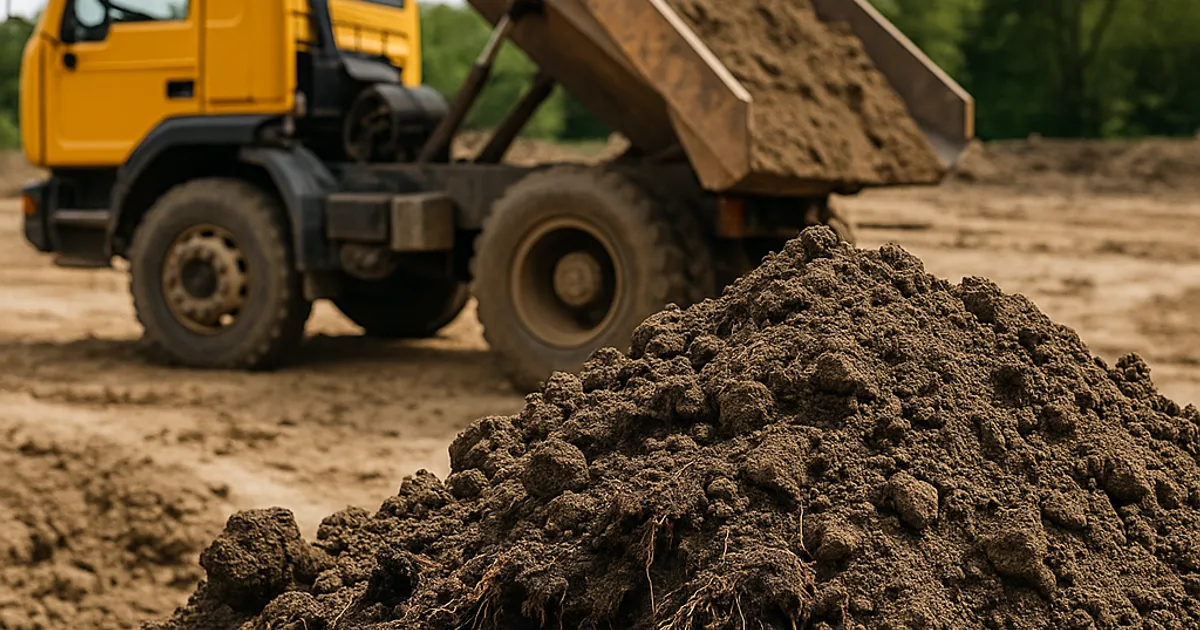
Spring is also when material logistics become critical. Fill dirt, aggregate, rock, and topsoil move in enormous volumes during the spring construction push. Sites generating excess spoil need outlets. Sites requiring fill need reliable sources. The timing of those material flows directly affects your ability to stay on schedule. Platforms like DirtMatch connect contractors with nearby fill dirt sources and spoil disposal sites, reducing hauling costs and streamlining material coordination exactly when the pressure is highest.
Step 1: Post-Winter Soil Assessment and Site Walkthrough
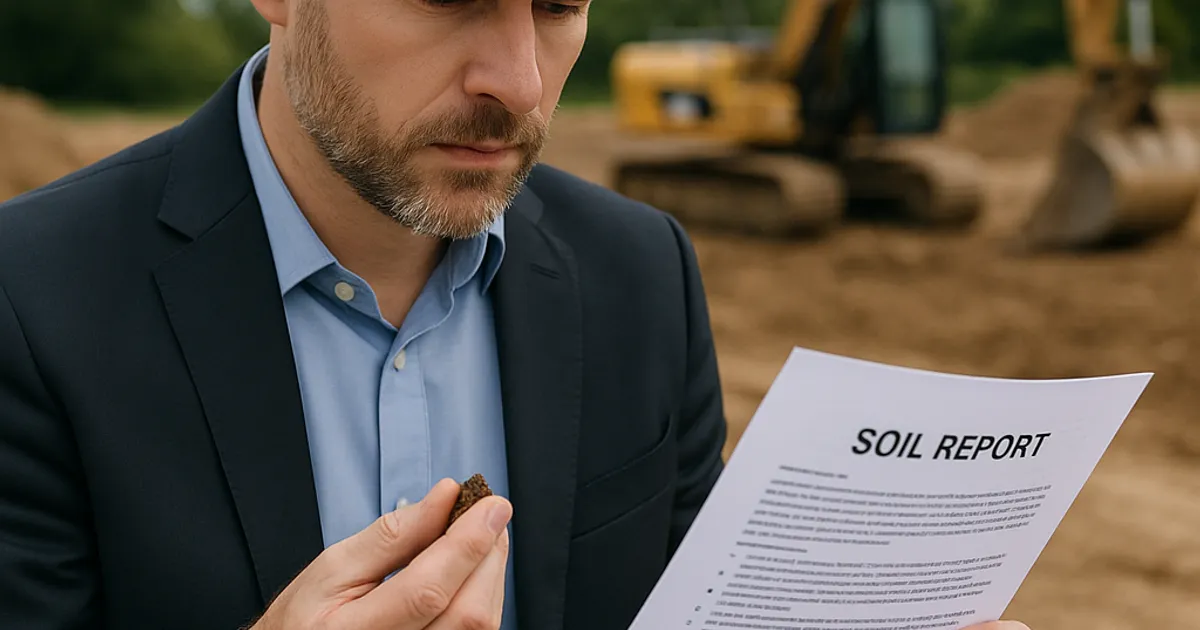
Before any equipment touches a spring job site, a thorough on-the-ground assessment is non-negotiable. This is not a paperwork exercise. It is a boots-in-the-mud evaluation of how winter has altered the site's physical conditions.
Frost Heave and Soil Displacement
Frost heave occurs when water in the soil freezes and expands, lifting and displacing soil layers. In northern climates, heave can move survey stakes, shift drainage features, and create uneven subgrade conditions that require regrading before construction begins. Walk the full site boundary and compare current conditions against your pre-winter site drawings. Note any areas where the grade has shifted by more than half an inch, which is common in silty or clay-heavy soils.
Moisture Content and Bearing Capacity
Spring soil is almost always wetter than optimal for construction. Saturated soil loses bearing capacity rapidly. If you run heavy equipment over saturated subgrade, you create rutting, compaction layer disruption, and a much more expensive restoration project than if you had simply waited. Use a penetrometer to spot-check soil strength across the site. Many experienced crews also rely on simple hand tests: if a fistful of soil holds its shape when squeezed and water oozes between your fingers, it is too wet to work.
Soil classification per ASTM International standards, specifically ASTM D2487 (the Unified Soil Classification System), gives you a systematic framework for evaluating your site's soil types and their behavior under spring moisture conditions. Clays and silts, classified as fine-grained soils under ASTM D2487, are the most problematic in spring. Gravels and coarse sands drain and dry much faster.
Erosion and Drainage Observation
Winter precipitation and snowmelt reveal drainage patterns that may not be obvious during drier seasons. Walk the site during or immediately after a rain event if possible. Note where water pools, where it channels, and where it exits the property. These observations are invaluable for planning temporary erosion controls and permanent drainage features. Document everything with photos and GPS-tagged notes. This documentation also supports your SWPPP (Stormwater Pollution Prevention Plan) compliance requirements if your site disturbs one acre or more of land.
Step 2: Reviewing and Updating Your Site Development Plan
Winter is an ideal time to review and refine your site development plan, but spring is when you confirm whether those plans still match field conditions. Plans drawn in the summer or fall sometimes encounter a very different site in March.
Grading Plan Verification
Pull your approved grading plan and confirm that existing grades, elevations, and drainage features still match the design intent. If frost heave or erosion has altered site topography, you may need to adjust cut-and-fill volumes before mobilization. Updated topographic surveys or drone-based photogrammetry surveys can be completed in one to two days on most sites and give you precise current elevation data to reconcile against your design.
Permit Status and Regulatory Updates
Check that all permits are still valid. Grading permits, stormwater permits, and excavation permits sometimes have expiration dates tied to project start milestones. If your project was delayed over winter, confirm that your permits are still active and that no regulatory changes have occurred in your jurisdiction since they were issued. Some municipalities update their grading ordinances annually, and spring 2026 has seen renewed enforcement attention on stormwater compliance in many metro areas.
Utility Locates
Always request fresh utility locates in spring, even if you had them done in the fall. Utility infrastructure can shift slightly due to frost heave, and new installations may have occurred over winter. Hitting an unmarked line is costly, dangerous, and legally complicated. Most states require locate requests to be submitted 48 to 72 hours before excavation begins, with some requiring full resubmission if more than 30 days have passed since the original locate.
Step 3: Equipment Inspection and Spring Readiness Protocols
Equipment that sat through winter needs a thorough inspection before it goes back to work. Cold weather accelerates wear on hydraulic seals, batteries, tracks, and undercarriages. A machine failure on day one of spring mobilization costs you not just the repair bill but also the project delay and the crew downtime.
Pre-Season Equipment Checklist
| Equipment Component | Key Inspection Points | Common Winter Issues |
|---|---|---|
| Engine and fluids | Oil viscosity, coolant mix, fuel filter | Gelled diesel, condensation in fuel |
| Hydraulic system | Seals, hoses, cylinder rods | Cold-cracked seals, slow response |
| Undercarriage (tracked machines) | Track tension, roller wear, idler condition | Accelerated wear from frozen ground |
| Electrical and battery | Charge level, terminal corrosion | Reduced cold-weather battery capacity |
| Tires (wheeled machines) | Pressure, sidewall cracking | Pressure loss from temperature cycling |
| Cutting edges and teeth | Wear depth, fastener torque | Heavy wear from frozen material |
| Cab and controls | HVAC function, seat belts, mirrors | Condensation damage, control stiffness |
Major manufacturers like Caterpillar and Komatsu publish detailed seasonal startup procedures for their machines. Following these protocols reduces unplanned downtime, which industry data consistently shows costs 20 to 30 percent more than planned maintenance on an annualized basis.
Scheduling Equipment Deliveries and Rentals
If you are renting additional machines for spring projects, book early. Equipment rental availability drops sharply in March and April as every contractor in your region is mobilizing simultaneously. Rental lead times that run three to five days in January can stretch to two to three weeks by mid-April. Confirm delivery logistics, including site access for lowboys and transport vehicles, as part of your spring prep checklist.
Step 4: Stormwater and Erosion Control Planning
Stormwater compliance is one of the most frequently cited areas of regulatory risk in spring earthwork, and enforcement tends to increase alongside construction activity. The EPA's stormwater construction program requires sites disturbing one acre or more to obtain a National Pollutant Discharge Elimination System (NPDES) permit and implement a Stormwater Pollution Prevention Plan before ground disturbance begins.
Temporary Best Management Practices
Before grading begins, install your temporary erosion and sediment controls. These typically include silt fencing along the site perimeter and any drainage channels, inlet protection on nearby storm drains, stabilized construction entrances to reduce tracking, and temporary sediment basins or check dams where site drainage concentrates. The specific controls required depend on your site's acreage, slope, soil type, and proximity to waterways.
In spring especially, these controls matter more than in any other season. Freshly graded, unvegetated soil combined with heavy spring rainfall is the highest-risk combination for sediment discharge violations. Fines for stormwater violations can range from $10,000 to $25,000 per day per violation under federal enforcement, with state penalties sometimes exceeding federal levels.
SWPPP Updates for Spring Conditions
If your SWPPP was written in a prior season, update it to reflect spring-specific conditions. Add notes on snowmelt drainage patterns, any new drainage features observed during your site walkthrough, and updated rainfall probability data for your region. Many state construction general permits require SWPPP inspections after significant rain events (typically defined as 0.5 inches or more in 24 hours), which in spring can mean weekly or more frequent inspections.
Step 5: Soil Compaction and Grading Execution in Spring Conditions
Spring grading requires more patience and more precise moisture management than any other season. Rushing the process leads to compaction failures that are expensive to correct and can compromise the long-term performance of finished grades, subgrades, and pavement structures.
Working with Wet Soils: Drying and Amendment Strategies
If your soil moisture content is above optimum (typically determined by Proctor testing per ASTM D698 or D1557), you have several options. Aeration and scarification can help surface drying on sunny, windy days, though this is slow for large areas. Lime treatment is effective for stabilizing wet clay soils: agricultural lime (calcium oxide or calcium hydroxide) reacts with clay particles to reduce plasticity and improve workability. Treatment rates typically range from 3 to 8 percent by dry weight of soil, depending on clay content and initial moisture levels. Fly ash is another amendment option, particularly for subgrade stabilization on road and pavement projects.
Compaction Specification and Verification
Once soil moisture is at or near optimum, compaction can begin. Most earthwork specifications require achieving 90 to 95 percent of maximum dry density, measured against the Proctor curve for your soil type. Use nuclear density gauges or the newer non-nuclear moisture-density devices to verify compaction in real time. Do not rely on visual observation alone. Over-compaction near optimum moisture is rarely a problem, but under-compaction is a common spring deficiency because crews are eager to move fast in the early weeks of the season.
Lift Thickness and Equipment Selection
Spring soil conditions generally warrant thinner compaction lifts than summer conditions. Where you might place 10-inch loose lifts with a large vibratory roller in dry summer conditions, reduce that to 6 to 8 inches in spring to ensure full compaction depth penetration. Select your roller type based on soil type: smooth drum vibratory rollers for granular materials, padfoot or sheepsfoot rollers for cohesive soils. Plate compactors and jumping jack compactors are appropriate for smaller areas and trench backfill.
Find or Post Dirt, Rock & Aggregate
Join thousands of contractors using DirtMatch to buy, sell, and exchange earthwork materials.
Try DirtMatch FreeStep 6: Managing Fill Dirt and Material Logistics in Spring
Spring is peak season for fill dirt movement. Development projects starting up across every market simultaneously create intense competition for clean fill sources and dependable material destinations. Contractors who secure their material supply chains before the season starts have a significant operational advantage.
Sourcing Clean Fill for Spring Projects
For projects requiring structural fill, confirm your material sources early. Verify that the fill material meets your specification requirements, including particle size, plasticity index, and freedom from organic material or deleterious substances. If you are importing fill from an off-site source, request gradation and classification test data before the material arrives on site. Receiving unsuitable fill that must be rejected or remediated is one of the most disruptive and costly problems in spring construction.
Many contractors sourcing fill for spring projects benefit from connecting with nearby excavation jobs that are generating excess spoil. When those connections happen efficiently, both parties save on trucking and disposal costs. That is exactly where DirtMatch provides real value: the platform matches contractors with nearby fill sources and spoil outlets, so your project gets the material it needs without the cost and delay of hauling from distant quarries or disposal sites.
Managing Excess Spoil from Excavation
Excavation projects generate spoil that must go somewhere. Spring projects are particularly challenging because the available soil volume hitting the market simultaneously is enormous. Having a disposal plan before you break ground prevents the costly situation of stockpiling spoil on-site when you have no place to send it. Confirm disposal site agreements, permitted receiving volumes, and truck routing before mobilization. If your excavated material is clean and suitable for fill, listing it through a material exchange platform can recover value that would otherwise be spent on disposal fees.
For contractors in high-demand markets like dirt exchange in Denver or dirt exchange in Seattle, where spring project volumes surge simultaneously and fill dirt demand is intense, having a material logistics plan connected to a real-time exchange platform is not optional. It is a core operational tool.
Aggregate and Rock Material Planning
Base aggregate, crushed stone, and rip-rap for erosion control are all in high demand in spring. Quarry lead times increase from two to three days in winter to one to two weeks or more by mid-April in many regions. If your spring projects include roadway base, parking lot subbase, or drainage aggregate work, get your material orders placed early. Confirm delivery schedules in writing and build schedule buffers for weather-related delivery delays.
Step 7: Crew Planning, Safety, and Training for the Spring Season
Equipment and materials are only part of the spring readiness equation. Your crew is the other half, and spring presents specific safety and productivity challenges that warrant focused attention before the season starts.
Spring-Specific Safety Hazards
Spring excavation sites carry elevated safety risks compared to dry summer conditions. Saturated soil has dramatically reduced cohesive strength, which increases the risk of trench wall cave-ins and slope failures. The Occupational Safety and Health Administration's excavation standards under OSHA 29 CFR 1926 Subpart P require that all excavations be inspected by a competent person before workers enter, and again after any rain event or other condition change. In spring, that means daily pre-entry inspections are the baseline expectation, not an option.
OSHA data consistently shows that excavation cave-ins account for some of the most lethal incidents in construction. Spring's combination of saturated soils, active frost melting in northern regions, and high project volumes creates exactly the conditions where cutting safety corners becomes most tempting and most dangerous.
Pre-Season Crew Training and Toolbox Talks
Before spring mobilization, conduct a pre-season safety refresher for your full crew. Cover soil classification and cave-in hazards, proper use and inspection of protective systems (sloping, shoring, trench boxes), equipment blind spot awareness, stormwater control responsibilities, and emergency response procedures. New crew members hired for the spring surge should receive full safety onboarding before their first day on a live site.
Toolbox talks are effective when they are timely and specific. In March and April, center them on wet soil hazards and equipment operation on soft ground. In May, shift focus to sun safety, heat awareness, and traffic control as project pace accelerates.
Labor Planning and Subcontractor Coordination
Spring labor markets for earthwork crews are tight. Experienced equipment operators, grade checkers, and survey technicians are in high demand from late February onward. If you are hiring seasonal workers, start recruiting in January. If you rely on subcontractors for specialty work like rock blasting, dewatering, or utility crossing excavation, confirm their spring availability and pricing early. A subcontractor unavailable when you need them can delay an entire project sequence.
Step 8: Leveraging Technology for Spring Site Prep Efficiency
The earthwork industry has seen significant technology adoption over the past several years, and spring 2026 brings a range of tools that make site prep faster, more accurate, and better documented.
GPS Machine Control and Grade Automation
GPS grade control systems on excavators, dozers, and motor graders have become increasingly standard on commercial projects. These systems allow operators to grade directly to design elevation without constant grade checking, reducing rework and improving production rates by 20 to 40 percent on complex grading operations. In spring conditions where the ground is soft and every unnecessary pass of equipment increases rut depth and subgrade disturbance, getting the grade right on the first pass has exceptional value.
Drone Surveys and Progress Documentation
Drone-based photogrammetry is now a standard tool for pre-season site assessment and ongoing progress documentation. A drone survey can produce a high-resolution topographic map of a 10-acre site in a few hours, giving your team precise volume calculations and grade verification data that would take days with conventional survey methods. Spring's bare trees and minimal vegetation also make drone survey accuracy better than in summer months when canopy cover affects ground point capture.
Project Management and Material Tracking Software
Modern construction project management platforms integrate scheduling, materials tracking, document management, and crew communication into a single workflow. For spring site prep specifically, software that tracks material deliveries and spoil export volumes against project requirements helps you stay ahead of logistics problems before they become schedule problems.
If you are not already using a structured approach to material exchange and logistics coordination, spring is the right time to explore DirtMatch Pro, which gives contractors access to advanced matching tools, priority listing for fill and spoil, and enhanced project coordination features designed for high-volume earthwork operations.
Regional Considerations: Spring Earthwork Varies by Geography
Spring site preparation is not one-size-fits-all. Regional climate, soil types, and regulatory environments create meaningfully different conditions and timelines across the country.
Pacific Northwest and Northern California
Contractors doing earthwork in the Seattle metro and Northern California deal with some of the longest wet seasons in the country. Spring in Seattle often means workable windows of only two to three dry days at a time well into May. Projects in these markets require aggressive temporary drainage planning, larger stockpile areas for wet soil drying, and schedule contingencies that account for frequent weather delays. The dirt exchange in Seattle market is particularly active in spring as dozens of projects mobilize in compressed windows between rain events.
Mountain West
In Colorado and the broader mountain west, spring site prep is shaped by snowpack melting, which can occur rapidly in warm years, saturating valley soils even when precipitation is below average. High-altitude projects may not be accessible until May or even June. Contractors working in the dirt exchange in Denver area and surrounding foothills deal with clay-heavy soils that become extremely plastic during spring thaw, requiring careful moisture management and often lime stabilization before structural fills can be placed.
Northeast and Midwest
The Northeast, including the Boston metro, deals with significant frost depth (commonly 48 inches or more) and the dramatic subgrade changes that accompany deep freeze-thaw cycles. Pavement subbase projects in these regions must account for spring thaw weakening, which temporarily reduces subgrade load-bearing capacity well below its summer value. Earthwork contractors in dirt exchange in Boston markets are accustomed to seasonal weight restrictions on local roads during spring thaw, which can limit truck access and affect material delivery schedules.
Southwest and Southern California
Markets like Los Angeles and San Diego experience their own spring dynamic: the wet season (such as it is) is ending, and the pressure to complete grading work before summer fire season and extreme heat accelerates creates its own urgency. Expansive clay soils common in Southern California hillside developments require careful moisture management even in the relatively dry spring conditions of that region.
Building a Spring Site Prep Checklist for Your Operation
Every earthwork business is different, but the following master checklist captures the core elements of a thorough spring site preparation process. Adapt it to your project types, crew size, and regional conditions.
Pre-Mobilization Phase (4 to 6 Weeks Before Start)
- Confirm permit validity and request renewals if needed
- Schedule utility locates
- Book equipment rentals and service inspections for owned machines
- Place aggregate and fill material orders with confirmed delivery dates
- Update or develop SWPPPs for active projects
- Conduct pre-season safety training for all crew members
- Establish material exchange arrangements for spoil disposal and fill sourcing
Site Assessment Phase (1 to 2 Weeks Before Start)
- Complete on-site walkthrough and document frost heave, erosion, and drainage changes
- Conduct soil moisture and bearing capacity testing at representative locations
- Verify survey control and benchmark conditions
- Update topographic data with drone or conventional survey if needed
- Install temporary erosion and sediment controls
Mobilization Phase (Week of Start)
- Confirm equipment delivery and placement logistics
- Brief crew on site-specific hazards and SWPPP responsibilities
- Conduct initial OSHA-compliant competent person inspection of any excavation areas
- Verify stormwater controls are in place and functional before ground disturbance
- Establish on-site communication and emergency response protocols
Maximizing Profitability Through Better Spring Planning
The contractors who are consistently most profitable in spring earthwork are not necessarily the ones with the most equipment or the largest crews. They are the ones who plan most thoroughly and execute most systematically. The math is straightforward: every hour of planning before mobilization is worth an estimated three to five hours of avoided problem-solving during active construction.
Material costs are one of the biggest levers in spring earthwork profitability. Fill dirt, aggregate, and disposal costs can represent 20 to 35 percent of a typical site prep project's total cost. Reducing those costs through smart sourcing, material reuse, and efficient hauling routes directly improves your margin. If you are managing multiple spring projects and looking for a smarter approach to material logistics, getting started with DirtMatch takes only minutes and connects you with a network of contractors, developers, and material sources in your region.
Schedule performance is the other major profitability driver. Spring weather delays are largely unavoidable, but schedule losses from poor site condition assessment, equipment failures, and material shortages are largely preventable. The pre-season investment described in this guide directly addresses all three.
Conclusion: Spring Preparation Is a Competitive Advantage
In the earthwork industry, the spring season rewards preparation and punishes improvisation. The contractors who assess their sites methodically, prepare their equipment thoroughly, plan their material logistics in advance, and train their crews specifically for spring conditions are the ones who start strong, avoid costly rework, and finish projects on time.
From soil assessment and stormwater compliance to equipment readiness and material sourcing, every element of spring site prep connects to your bottom line. The investment in getting it right before the first machine rolls pays dividends across the entire construction season.
Whether you are a solo operator grading residential lots or a full-service site development contractor running multiple commercial projects, the principles are the same. Know your site conditions. Secure your materials. Prepare your equipment and your crew. Then execute with precision.
Spring in the dirt industry is short, competitive, and consequential. Make the most of it.