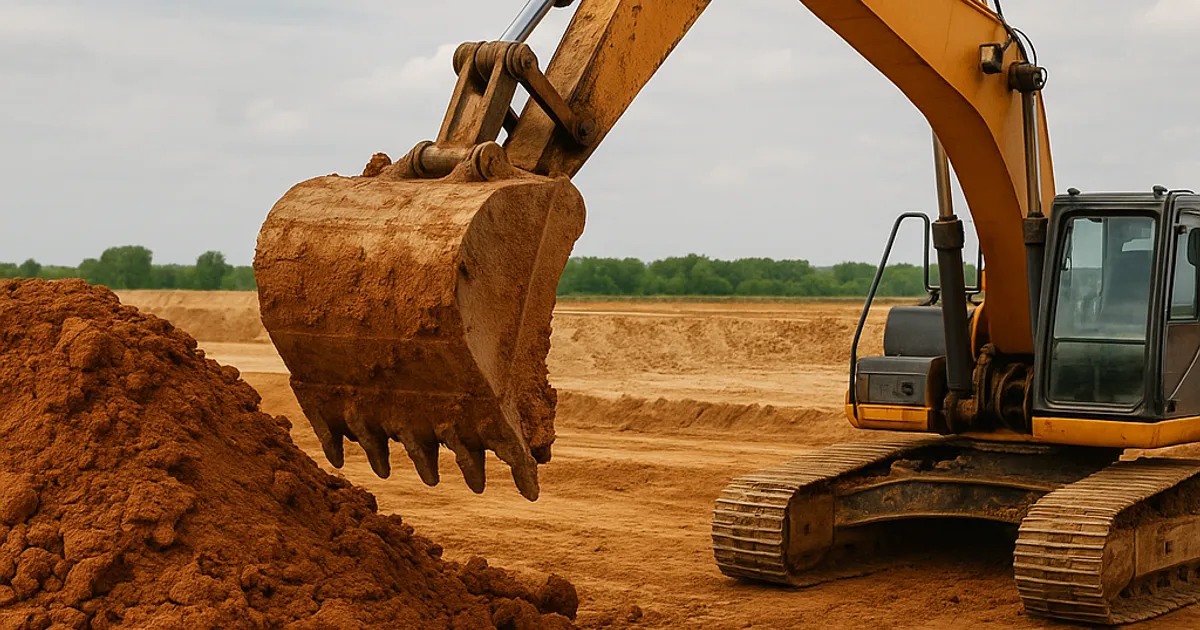
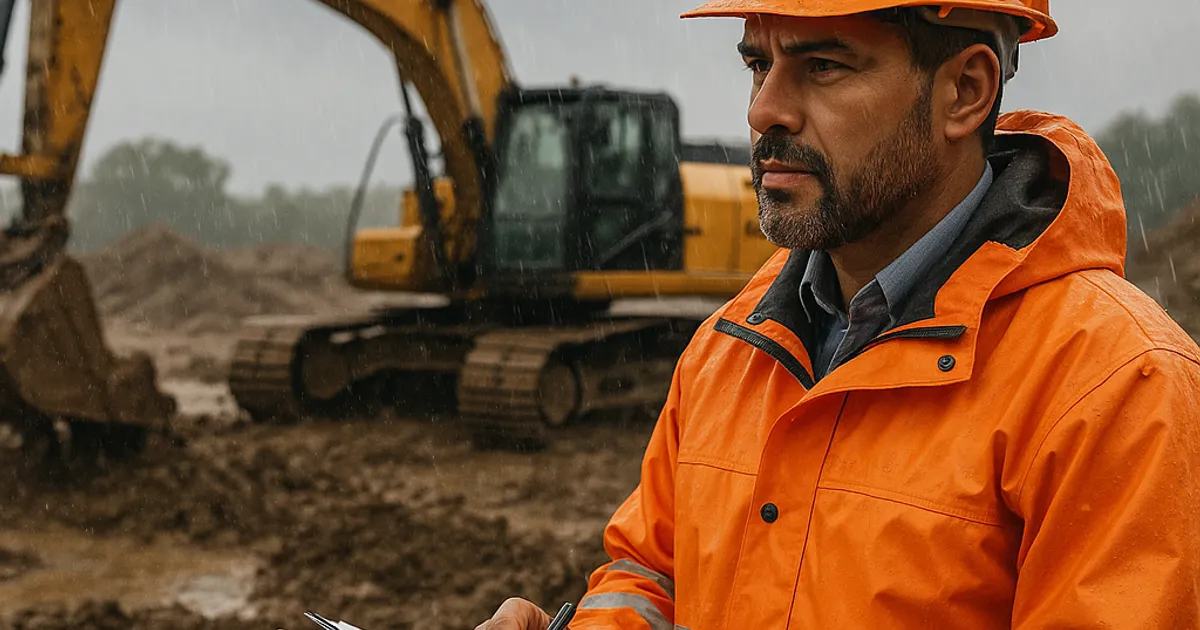
Rain is one of the most relentless adversaries in the earthwork business. A single heavy storm can turn a graded pad into a swamp, push compaction timelines back by days, and trigger costly rework on slopes that have already been shaped. For contractors hauling dirt, cutting roads, or prepping building pads, wet weather is not just an inconvenience. It is a direct threat to project timelines, profit margins, and regulatory compliance.
Yet some of the most productive earthwork crews in the country work through rainy seasons without missing a beat. They do it with smart planning, the right equipment configurations, soil science knowledge, and logistics networks that keep materials and haul trucks moving even when conditions turn soggy. This article covers the full spectrum of rainy season earthwork strategy so your crew can stay productive, compliant, and profitable when the skies open up.
Why Rain Hits Earthwork Projects So Hard
Earthwork is uniquely vulnerable to precipitation compared to other construction trades. Framing crews can work in light rain. Concrete finishers can tent slabs. But earthmoving depends on soil behavior, and soil behavior changes dramatically when water is introduced.
When soil absorbs water beyond its optimum moisture content, it loses load-bearing capacity and becomes nearly impossible to compact to specification. Standard compaction specifications on most projects follow ASTM International standards such as ASTM D698 (Standard Proctor) or ASTM D1557 (Modified Proctor), which define the relationship between moisture content and dry density. Once soil moisture climbs significantly above the optimum point on that curve, you cannot achieve the required density no matter how many passes you make with a compactor. The result is a failing test, rework, and delays.
Beyond compaction, rain creates secondary problems that compound quickly:
- Rutting and erosion: Heavy equipment traveling over saturated subgrade causes deep ruts that require re-grading before any productive work can resume.
- Slope instability: Rain-saturated cut slopes and fill embankments are far more prone to sloughing and small failures, particularly in cohesive soils like clays.
- Stormwater compliance violations: Construction sites disturbing one or more acres of soil must have a Stormwater Pollution Prevention Plan (SWPPP) in place under EPA regulations. Rainfall events can trigger inspections and potential violations if Best Management Practices (BMPs) are not maintained.
- Material loss: Imported fill or aggregate left unprotected on a muddy job site can migrate into drainage systems, creating environmental liability and material waste.
According to industry data compiled by the Associated General Contractors of America, rain-related delays account for a significant portion of schedule overruns on site work contracts. Understanding exactly why rain causes these cascading problems is the first step toward solving them proactively.
Planning Ahead: The Pre-Season Rainy Weather Strategy
The best defense against rain delays in earthwork is a plan that exists before the first storm arrives. Contractors who scramble reactively to wet weather consistently lose more time and money than those who build weather contingencies directly into their project schedules and mobilization plans.
Study the Soil Survey Before You Break Ground
Every job site sits on soils with specific drainage characteristics, permeability ratings, and moisture sensitivity profiles. The USDA Web Soil Survey is a free, publicly available tool that gives contractors access to detailed soil maps and data for any location in the United States. Before mobilizing, look up the site's soil series. Pay particular attention to hydrologic soil groups (A through D), where Group D soils (heavy clays with very slow infiltration) present the greatest challenges in wet conditions.
If the site is dominated by Group D soils or expansive clays, budget additional time and materials for lime stabilization or structural fill imports during the wet season. Knowing this in advance prevents the all-too-common situation where a crew discovers unworkable subgrade conditions mid-project with no plan and no budget to address them.
Build Weather Windows Into the Schedule
Review 10-year historical precipitation data for your project region. Regions like the Pacific Northwest, the Gulf Coast, and the upper Midwest have highly predictable wet seasons. If you are managing a dirt exchange in Seattle or coordinating fill logistics for projects in the Puget Sound corridor, building in weather buffer days is not optional. It is contractually essential.
Most experienced earthwork superintendents add one weather day per week during peak rainy season months in high-precipitation regions. Some DOT contracts in these areas explicitly include rain day provisions. If your private contract does not include language for rain delay time extensions, negotiate for it before signing.
Pre-Stage Materials and Equipment
Pre-rainy season mobilization should include stockpiling aggregate base material, lime, or fly ash at accessible areas of the site. Having chemical stabilization materials on hand means you can treat problem subgrade soils quickly after a storm rather than waiting on a supplier delivery. Pre-position your drainage infrastructure (silt fence, inlet protection, rock check dams) before the first significant rain event so your BMP compliance is already in place when the inspector shows up.
Soil Moisture Management: The Core Science of Wet Weather Earthwork
Successful earthwork in rainy season ultimately comes down to soil moisture management. Understanding the tools and techniques for monitoring, reducing, and working with elevated soil moisture levels separates contractors who thrive in wet weather from those who park their machines and wait.
Proctor Testing and Moisture-Density Relationships
Every fill placement should be governed by a Proctor test establishing the optimum moisture content (OMC) for the specific soil on your project. During rainy season, your field team needs to be checking in-place moisture frequently using a nuclear density gauge or Speedy moisture tester. When moisture reads more than 2 to 4 percentage points above OMC, productive compaction is essentially impossible without intervention.
Document your moisture readings carefully. If a third-party inspector flags failing compaction tests during a rainy stretch, having a record of moisture readings demonstrates that conditions were outside your control, which supports a schedule extension claim.
Lime and Fly Ash Stabilization
Quicklime and hydrated lime are workhorses in wet weather earthwork because they chemically alter the soil's ability to hold water. When lime is mixed into clay-heavy subgrade, it triggers an ion exchange reaction that reduces plasticity and lowers the liquid limit of the soil, making it workable at higher moisture contents than untreated material. A typical lime treatment adds 3 to 6 percent lime by dry weight of soil.
Fly ash, a byproduct of coal combustion, serves a similar purpose and is often more cost-effective in regions where it is readily available. Some contractors blend lime and fly ash for faster strength gain combined with longer-term stabilization benefits.
Treatment costs vary significantly by region and material availability, but a reasonable budget range for lime stabilization runs from $4.00 to $9.00 per square yard depending on application depth and lime content. That cost is almost always justified when compared against the lost production of sitting idle during wet conditions.
Drying Techniques for Wet Subgrade
When chemical stabilization is not practical or the soil is too wet for mixing, drying is the alternative. Aeration involves repeatedly scarifying and disk-harrowing the top layer of wet soil to expose fresh surfaces to sun and wind. This technique works well in marginal conditions where soil moisture is elevated but the storm has passed and drying conditions exist.
Keep in mind that aeration is not a quick fix for severely saturated soils. Drying a clay subgrade that is 15 percentage points above OMC can take multiple days of good weather even with aggressive aeration. Build this into your recovery planning when scheduling restart operations after major storm events.
Wet Weather Grading Techniques That Keep Production Moving
Not all earthwork stops in the rain. Experienced operators and superintendents know specific techniques for extracting productivity from wet conditions without compounding the problem.
Work from High Ground to Low Ground
When pushing or pulling material in wet conditions, always work from high areas toward low areas so that drainage naturally moves water away from the work face. Avoid creating impoundments or low spots that collect water and saturate material that would otherwise be workable. Motor grader operators should maintain positive drainage across the graded surface at all times, even during active grading passes.
Reduce Ground Pressure with Equipment Selection
Saturated subgrade is easily rutted by heavy equipment, and deep ruts are one of the most expensive forms of rain damage on a job site because they require significant re-grading before any productive work can resume. Switching to track equipment instead of tired machines dramatically reduces ground pressure per square inch. A wide-track dozer or crawler excavator distributes its weight over a much larger surface area than a wheeled loader or scraper.
Some contractors add wide-pad track shoes to their dozers during wet season specifically to reduce rutting. Equipment manufacturers like Komatsu offer intelligent machine control systems that also reduce the number of passes required to reach grade, which minimizes ground disturbance on sensitive subgrade.
Stage Material Ahead of the Work Face
In wet conditions, the loading and hauling cycle becomes a liability if trucks are rutting access roads and losing traction. Consider shortening haul distances by pre-positioning materials closer to the placement area during dry windows. When conditions deteriorate, your crew can continue placing and rough-spreading material without relying on trucks driving through saturated areas.
Use Geotextile Fabric on Working Surfaces
Construction geotextile fabric placed over saturated subgrade before importing aggregate base can give equipment a workable surface when the native soil is temporarily unworkable. The fabric separates the aggregate from the soft subgrade and distributes load, creating a temporary working platform. This technique is particularly effective for maintaining access road function during extended wet spells without destroying the native subgrade beneath.
Stormwater Compliance: Staying Legal When It Rains
One of the fastest ways for a wet weather situation to go from bad to catastrophic is a stormwater compliance violation. Construction sites that disturb one or more acres must obtain coverage under the EPA's Construction General Permit (CGP) and implement a site-specific SWPPP. The EPA Stormwater Construction program outlines these requirements in detail, and penalties for non-compliance can reach thousands of dollars per day.
During the rainy season, your SWPPP is not a document that lives in a binder in the job trailer. It is a live operational guide that your team should be referencing and acting on before, during, and after every significant rain event.
BMP Installation and Maintenance
Best Management Practices for construction stormwater include silt fence, wattles, inlet protection devices, stabilized construction entrances, and sediment basins. The critical point that many contractors miss is that BMPs require active maintenance, especially during and after storms. A silt fence that has blown over or a rock check dam that has washed out is worse than useless because it creates the appearance of compliance without the function.
Assign a specific crew member as your BMP maintenance lead during rainy season. Their job before every rain forecast is to walk the site perimeter, check all device installations, and document the inspection with photos and written records. This documentation is your defense if a regulatory inspector shows up the morning after a storm.
Managing Turbid Runoff
Turbid (sediment-laden) water leaving your site is the primary trigger for regulatory action. If your site sits near a waterway, wetland, or stormwater inlet, invest in proper sediment basin sizing before the rainy season begins. A sediment basin should provide a minimum detention volume equal to 3,600 cubic feet per acre disturbed (a common state standard, though requirements vary). Outlet structures should include a skimmer or similar device that draws from below the surface, releasing cleaner water while retaining settled sediment.
Protecting Access Roads and Haul Routes
A muddy job site is often as much a logistics problem as it is a soil problem. Even if the work face itself is manageable, saturated access roads can bring your entire operation to a standstill if trucks cannot get in and out without getting stuck or tearing up the road surface beyond repair.
Aggregate Surfacing for Temporary Roads
The single most effective investment you can make for rainy season access road performance is a well-designed temporary aggregate surface. A minimum of 6 to 8 inches of compacted crushed stone or recycled concrete aggregate over geotextile separator fabric creates a stable haul road that remains functional in wet conditions. For heavy truck traffic (tandem axle dump trucks or belly dump trailers), 10 to 12 inches of aggregate may be necessary on weak subgrade.
Contractors working in regions with active dirt and aggregate markets can often source recycled concrete aggregate or crushed rock economically through material-matching platforms. On DirtMatch, contractors post and find available aggregate and fill materials from nearby sources, which can significantly cut haul distances and material costs during the critical pre-season road prep window.
Stabilized Construction Entrances
Mud tracking from the job site onto public roads is both an environmental violation and a public safety hazard. A stabilized construction entrance (SCE) consisting of 6 inches of 3-inch to 4-inch rock over geotextile, extending a minimum of 50 feet from the gate, shakes mud off truck tires before they reach the pavement. Budget for weekly rake-outs and periodic aggregate replenishment, because SCEs degrade faster during heavy haul operations in wet conditions.
Managing Fill Dirt Logistics During Wet Weather
Rainy season creates significant disruptions to the fill dirt supply chain. Borrow pits become inaccessible. Trucking routes turn muddy. Material that was workable a week ago may now be saturated and unusable. Managing this volatility is one of the hardest parts of keeping earthwork projects on schedule during wet months.
Identify Multiple Material Sources
Relying on a single borrow source during rainy season is a high-risk strategy. If that pit floods or becomes inaccessible, your project stops. Before the rainy season, identify at least two or three alternative fill sources within a practical haul radius. Know their material specifications, availability, and trucking requirements so you can pivot quickly when your primary source goes offline.
This is exactly the kind of logistical flexibility that platforms like DirtMatch are built for. The platform connects earthwork contractors with a network of material sources and receivers, making it easier to find alternative fill sources on short notice when weather disrupts your primary supply chain. Rather than making dozens of phone calls during a crisis, you can post your material need and let the network surface available options.
Communicate Fill Quality Requirements Clearly
During wet weather, not all fill material is created equal. Material that has been stockpiled outdoors and rained on may have moisture content far above what your specifications allow. Before accepting a load, require moisture content testing or at minimum a visual and tactile assessment by an experienced field person. A truckload of sticky, saturated clay is not just a compaction problem. It can be a material rejection that costs you a half-day of productivity sorting out with the supplier.
When posting fill needs through platforms like DirtMatch, specify your moisture content requirements, material type, and delivery timing needs upfront. The more specific your posting, the better matched your material sources will be, and the less time you waste on deliveries that do not meet spec.
Find or Post Dirt, Rock & Aggregate
Join thousands of contractors using DirtMatch to buy, sell, and exchange earthwork materials.
Try DirtMatch FreeScheduling Strategy: Making the Most of Dry Windows
In a rainy season, dry windows are your most valuable resource. Learning to identify them and mobilize aggressively during dry stretches is one of the core competencies that separates high-performing wet-weather earthwork operations from struggling ones.
Weather Monitoring and Forecasting Tools
Invest in a premium weather forecasting service that provides site-specific precipitation forecasts. General regional forecasts from consumer weather apps are not precise enough for production planning. Services oriented toward construction and agriculture provide hourly forecasts, soil saturation indices, and evaporation rate data that allow you to predict workability windows with much greater accuracy.
Most experienced earthwork superintendents check their forecast at least twice daily during rainy season and make mobilization decisions for the following day based on that data. The ability to tell your crew the night before whether tomorrow is a work day or a standby day reduces morning confusion and helps workers make their own arrangements.
Prioritizing Work Sequences During Dry Windows
Not all earthwork tasks are equally moisture-sensitive. Use dry windows to execute the most moisture-critical operations: final subgrade compaction, aggregate base placement, and slope trimming. During marginal conditions, shift to tasks that are less sensitive to wet subgrade: clearing and grubbing in areas with good natural drainage, rough grading in cut areas where you are removing material rather than compacting fill, or structural work if crews are available.
Building this decision matrix into your project schedule before the rainy season begins allows your superintendent to make fast, confident decisions about work sequencing rather than improvising under pressure.
Equipment Care and Maintenance in Wet Conditions
Wet conditions accelerate wear on earthmoving equipment and create maintenance challenges that can sideline machines at the worst possible times. A proactive maintenance program during rainy season reduces downtime and extends equipment life.
Undercarriage Inspection and Cleaning
Mud and clay accumulation in track undercarriages accelerates wear on rollers, idlers, and track links. During rainy season, schedule daily or every-other-day undercarriage washouts using a pressure washer or high-volume water source. Allow undercarriages to dry before parking machines overnight when possible. Track tension should be checked more frequently in muddy conditions because clay packing can cause tracks to appear tight when they are actually at risk of derailing.
Electrical System Protection
Water ingress into electrical connectors and control modules is a leading cause of wet-weather equipment failures. Inspect all electrical connector seals and replace any that show signs of moisture damage before rainy season. Keep spare connector seals and dielectric grease in your field service truck so small issues can be addressed immediately rather than growing into a costly repair.
Hydraulic System Monitoring
Cold, wet conditions affect hydraulic fluid viscosity. Ensure hydraulic fluid meets the viscosity specifications for your operating temperature range. Cold-weather hydraulic fluid changes may be necessary in regions where temperatures drop significantly during rainy season. Extended warm-up cycles before demanding hydraulic work protect seals and pumps from damage caused by fluid that has not yet reached operating temperature.
Regional Considerations for Wet Weather Earthwork
Rainy season looks very different depending on where you operate. The Pacific Northwest faces cool, persistent maritime rainfall from October through April. The Gulf Coast and Southeast contend with intense summer and fall tropical moisture, including hurricanes and tropical storms. The Mountain West faces spring snowmelt that saturates soils even when rain is not falling.
Contractors working in regions with predictable wet seasons should tailor their strategies to local conditions. For example, operations near dirt exchange in San Francisco deal with the Bay Area's Mediterranean climate, where rain is highly concentrated in winter months but summer is reliably dry. This makes pre-season preparation especially important because the window to complete work on sensitive soils is narrow.
In contrast, contractors working in the Denver Front Range face a different challenge: dirt exchange in Denver projects must contend with late spring and early summer afternoon thunderstorms that arrive with little warning and can drop an inch of rain in 30 minutes before clearing completely. For these operations, the priority is rapid drainage and fast recovery rather than extended wet-season endurance.
Understanding your regional precipitation pattern and designing your operational strategy around it is more effective than applying a generic wet-weather playbook.
Cost Impacts of Rain Delays and How to Quantify Them
Rain delays are expensive, and quantifying their true cost is essential for accurate project bidding and for building claims when delays exceed what was contractually anticipated.
Direct Cost Components
The direct costs of a rain delay day typically include:
| Cost Category | Typical Daily Range |
|---|---|
| Equipment standby (owned fleet) | $500 to $3,000 per machine |
| Equipment rental continuation | $300 to $1,500 per machine |
| Labor standby (if contractually required) | $800 to $2,500 per crew |
| Superintendent and project manager time | $400 to $1,000 per day |
| Rework after storm (re-grading, re-compaction) | $1,000 to $15,000+ depending on scope |
| BMP repair and maintenance | $200 to $2,000 per event |
For a mid-size earthwork operation with three machines and a crew of eight, a single unproductive rain day can easily cost $8,000 to $20,000 in direct idle costs before any rework is factored in.
Indirect Cost Components
Indirect costs are harder to quantify but equally real. Schedule compression caused by rain delays often forces overtime and weekend work to recover, which carries premium labor costs. Extended project durations increase general conditions costs including trailer rental, temporary utilities, and superintendent time. In competitive markets, schedule overruns can affect contractor reputation and future bid opportunities.
Building a detailed daily cost log during your rainy season operations creates the documentation needed to support time extension requests and potential delay claims on lump-sum or fixed-price contracts.
Regulatory and Safety Considerations in Wet Conditions
Wet weather creates heightened safety risks on earthwork sites, particularly for trenching and excavation operations. Saturated soil has dramatically reduced cohesive strength, making trench walls far more prone to cave-in than they would be in normal conditions. OSHA's regulations under 29 CFR 1926 Subpart P require a competent person to classify soil and evaluate trench protection systems before each shift and after every rainstorm. This is not a paperwork formality. A trench that was safely shored at the beginning of the day can become a life-safety hazard after 45 minutes of heavy rain.
Your site competent person should be specifically trained to evaluate soil conditions post-rain, looking for tension cracks near trench walls, water seeping into the trench, and visible softening of the trench face. When conditions are uncertain, the right call is always to remove workers, increase trench protection, and re-evaluate before resuming excavation.
Building a Resilient Rainy Season Team and Culture
The tactical and technical elements of wet weather earthwork are important, but they only work when your team is aligned behind a common operational philosophy. Building a crew culture that is proactive, adaptable, and data-driven during wet conditions pays dividends across every rainy season.
Communication Protocols
Establish clear communication protocols for weather-related decisions before the season begins. Who makes the call to stop work? What is the threshold (a specific rainfall rate, a specific soil moisture reading, a specific forecast probability)? How are crew members notified of standby days? Answering these questions before the first storm eliminates confusion and ensures consistent decisions across superintendents.
Operator Training for Wet Conditions
Not every operator has experience working in marginal conditions, and the worst time to learn is on a live project with a tight schedule. Consider investing in targeted training for your operators on wet-weather machine operation, including how to read ground conditions, when to stop pushing material, and how to position machines to minimize rutting. This training pays for itself the first time an experienced operator recognizes that conditions have deteriorated past the productive threshold and stops work before creating $10,000 in rework.
Leveraging Your Material Network
One of the most underutilized advantages in wet weather operations is a strong material and logistics network. Contractors who have pre-established relationships with multiple fill sources, aggregate suppliers, and haulers can respond to weather-driven disruptions far faster than those who are building those relationships in real time during a crisis. Get started with DirtMatch before your rainy season begins to build out your regional material network, connect with nearby contractors who may have surplus or deficit material needs, and ensure your logistics options are in place when you need them most.
Conclusion: Rain Is a Challenge, Not an Excuse
The earthwork contractors who consistently deliver projects on time and on budget through rainy seasons are not the ones with the best luck. They are the ones who treat wet weather as a known, manageable challenge rather than a force majeure excuse. They plan their soil stabilization strategies before the first storm. They maintain their BMPs and stormwater compliance infrastructure proactively. They mobilize aggressively during dry windows and make fast, intelligent decisions about when to stand down.
They also build strong material and logistics networks that keep fill dirt, aggregate, and hauling capacity available even when conditions disrupt their primary supply chains. With the right preparation, the right team, and the right connections, your earthwork operation can stay productive, compliant, and profitable through every rainy season ahead.