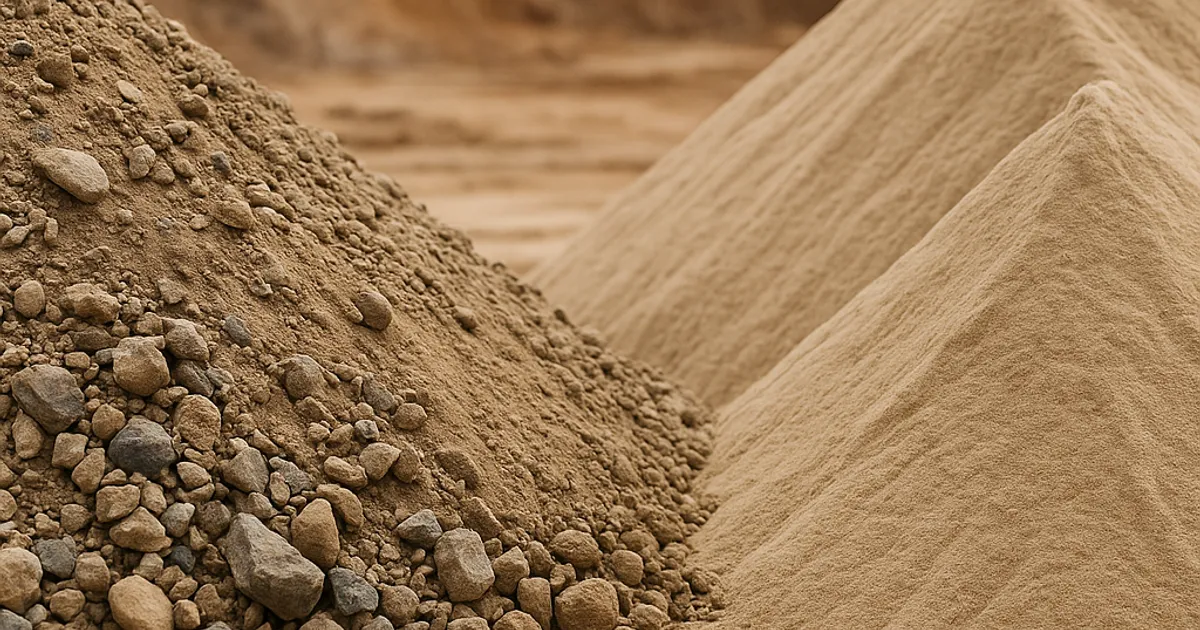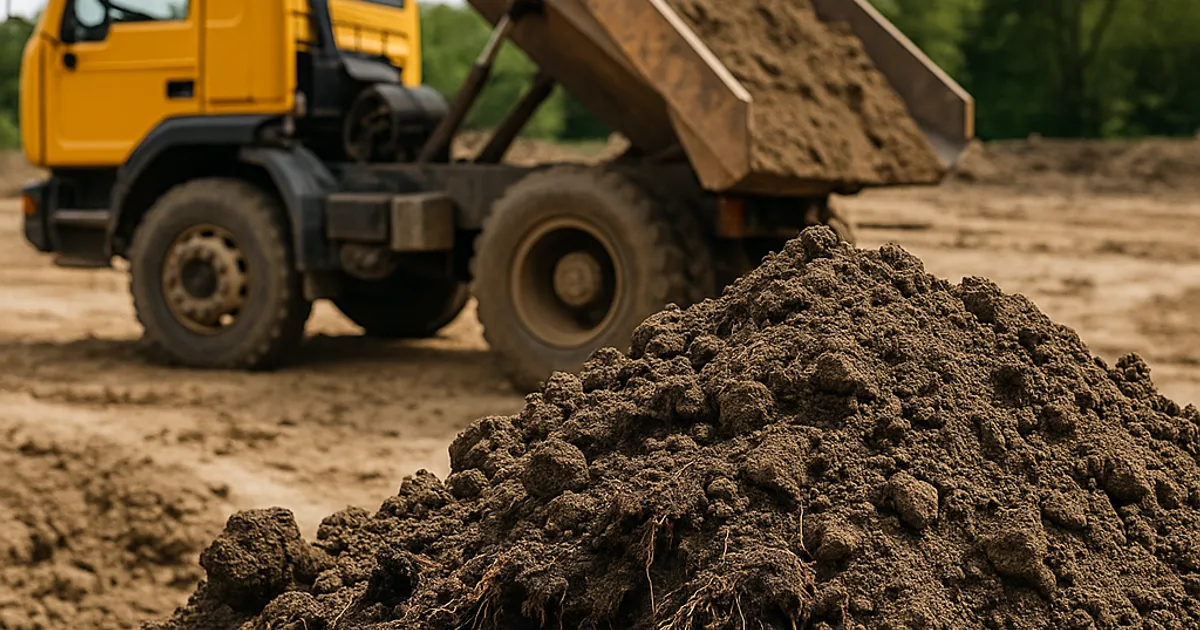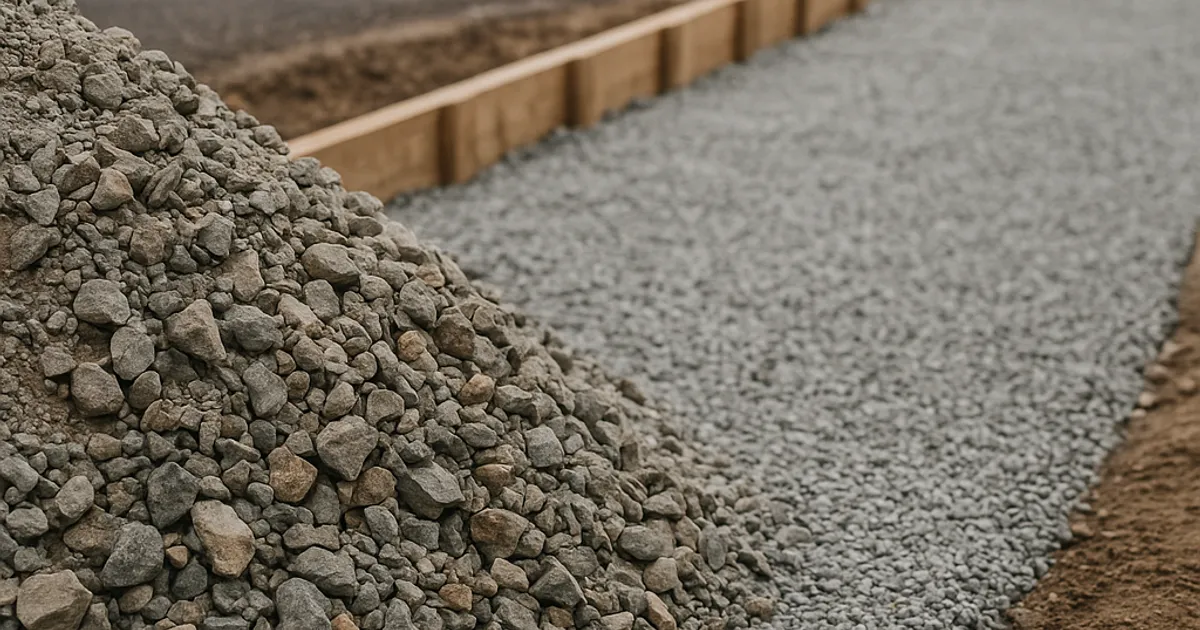

Every great structure begins below grade. Whether you're pouring a residential slab, grading a commercial lot, raising a road bed, or preparing a subdivision for development, the soil beneath your project is doing a job that no amount of engineering above ground can compensate for. Choose the wrong fill dirt supplier — one offering contaminated material, inconsistent gradation, or substandard compaction characteristics — and you're not just looking at a change order. You're looking at structural failure, regulatory fines, costly remediation, and potential litigation.
Yet for all its importance, sourcing fill dirt has historically been one of the most inefficient, opaque processes in the construction industry. Contractors call around, rely on word-of-mouth referrals, or default to whoever is cheapest — often with little visibility into material quality, proximity, or supplier reliability. That's starting to change. Digital platforms like DirtMatch are transforming how earthwork professionals connect with verified dirt suppliers, making it possible to match project needs with the right material source in a fraction of the time.
In this guide, we'll cover everything you need to know about choosing a dirt supplier: the types of fill material available, what soil testing standards apply, how to evaluate supplier credibility, how regional market dynamics affect your costs, and how to use modern matching tools to make smarter sourcing decisions.
Why the Right Dirt Supplier Matters More Than You Think
Soil is not a commodity in the way that lumber or steel are. A truckload of "fill dirt" from one supplier may have completely different engineering properties than a truckload from a supplier just 10 miles away. Plasticity index, bearing capacity, compaction characteristics, organic content, pH, moisture levels, and gradation can all vary dramatically depending on the geologic origin of the material.
These differences have real consequences. According to the Federal Highway Administration (FHWA), subgrade soil failures are one of the leading causes of premature pavement distress in the United States, costing state DOTs billions of dollars annually in unplanned maintenance. The same principle applies to building foundations: the American Society of Civil Engineers (ASCE) estimates that problems related to expansive soils alone cause approximately $15 billion in damages to buildings, roads, and utilities in the U.S. every year — more than all earthquakes, floods, tornadoes, and hurricanes combined.
Beyond structural performance, there's the issue of contamination. Fill dirt sourced from former industrial sites, landfills, or improperly managed stockpiles can contain heavy metals, hydrocarbons, or other hazardous substances. Bringing contaminated fill onto a project site can trigger EPA Superfund liability under CERCLA, expose contractors and owners to cleanup costs, and create long-term legal exposure.
Then there's the economic dimension. Hauling fill dirt is expensive. The national average cost of trucking earthwork material ranges from $3 to $8 per ton-mile, depending on fuel prices, truck configuration, and regional labor markets. A supplier that's 25 miles away versus one that's 5 miles away can add tens of thousands of dollars in transport costs to a medium-sized project — costs that eat directly into margin.
All of this underscores why supplier selection is a critical decision, not an afterthought.
Types of Fill Dirt and When to Use Each
One of the first mistakes contractors make when sourcing material is treating "fill dirt" as a single product category. In reality, fill material comes in several distinct types with different applications, performance profiles, and price points.
Clean Fill Dirt
Clean fill dirt is uncontaminated soil — typically a mixture of clay, silt, and sand — free of organic material, construction debris, and hazardous substances. It's the workhorse of site preparation, used for raising grade, backfilling foundations, and general earthwork. Clean fill is often available for free or very low cost from excavation contractors who need to dispose of surplus material from nearby projects.
However, "clean" is a relative term. For sensitive applications near water bodies or in residential areas, clean fill may still require third-party soil testing to verify contamination-free status.
Select Fill / Structural Fill
Select fill, also called structural fill or engineered fill, meets specific engineering criteria established by a geotechnical engineer or state DOT specification. It typically has a defined gradation (particle size distribution), a maximum plasticity index (often PI ≤ 15 per AASHTO M 145), and a minimum compaction requirement (usually 95% of maximum dry density per ASTM D1557 or ASTM D698).
This material is used for road subbase, building pad preparation, and any application where load-bearing capacity and long-term settlement behavior are critical. Select fill costs more than clean fill — typically $8 to $25 per ton depending on region and specification — and not every supplier can reliably produce material that meets the spec.
Topsoil
Topsoil is the biologically active upper layer of soil, rich in organic matter and microorganisms. It's used for landscaping, lawn establishment, and erosion control on disturbed slopes. Topsoil is not a structural material and should never be used as fill beneath foundations or pavements. Premium screened topsoil can range from $15 to $50 per cubic yard delivered, with significant regional variation.
Sand and Gravel
Coarse-grained materials like sand, gravel, and crushed aggregate are often specified for drainage layers, pipe bedding, and base course applications. These materials drain freely, resist frost heave, and compact reliably — making them superior to clay-rich soils in many structural applications. Common specifications include ASTM D2487 classification (SW, SP, GW, GP) and AASHTO gradation standards.
Rock and Rip-Rap
Excavated rock, crushed stone, and rip-rap serve specialized functions in slope stabilization, retaining wall drainage, and streambank protection. These materials are governed by project-specific gradation specifications and are typically more expensive to source and transport.
Understanding which material type your project actually needs — as determined by your geotechnical engineer's report — is the foundation of any successful supplier search.
Key Criteria for Evaluating a Dirt Supplier
Once you know what material type you need, how do you evaluate whether a given supplier can deliver? Here are the criteria that matter most.
Material Documentation and Testing
A reputable dirt supplier should be able to provide:
- Soil test reports from an accredited laboratory (AASHTO-accredited or equivalent)
- Gradation analysis per ASTM D422 or ASTM D6913
- Atterberg limits (liquid limit and plasticity index) per ASTM D4318
- Compaction test data (Proctor curve) per ASTM D698 or D1557
- Phase I or Phase II Environmental Site Assessment for fill sourced from urban or industrial areas
For projects in regulated watersheds or near sensitive receptors, suppliers may also need to provide erosion and sediment control documentation and comply with state stormwater discharge permits.
Proximity and Logistics
As noted above, transportation costs can make or break a project budget. When evaluating suppliers, always calculate the total delivered cost, not just the material price. Consider:
- One-way haul distance and estimated transport cost per ton
- Supplier's ability to provide consistent daily truck volume (can they fill your schedule?)
- Truck size compatibility with your site access
- Whether the supplier can coordinate with your project schedule
Regulatory Compliance History
Ask suppliers about their environmental compliance history. Have they received any EPA or state environmental agency notices of violation? Do they have active permits for their stockpile or excavation operation? In many states, commercial fill operations are regulated under solid waste management rules and require permits from the state environmental agency.
Supplier Reliability and Reputation
Talk to other contractors who have used the supplier. Ask about:
- Consistency of material quality batch-to-batch
- Ability to meet delivery schedules
- Responsiveness to quality complaints
- Accuracy of ticket weights and invoicing
This is one area where platforms like DirtMatch add enormous value — by aggregating verified supplier profiles, ratings, and project history in one place, allowing contractors to make data-driven supplier decisions rather than relying entirely on word of mouth.
Understanding Soil Testing Standards and Compliance Requirements
For contractors working on commercial, municipal, or federally funded projects, soil material acceptance is governed by specific testing protocols. Understanding these standards helps you communicate clearly with suppliers and avoid costly rejection of delivered material.
ASTM and AASHTO Standards
The American Society for Testing and Materials (ASTM) and the American Association of State Highway and Transportation Officials (AASHTO) publish the foundational test methods used for fill material qualification:
| Test | Standard | Purpose |
|---|---|---|
| Grain Size Analysis | ASTM D422 / D6913 | Particle size distribution |
| Atterberg Limits | ASTM D4318 | Plasticity and liquid limit |
| Standard Proctor | ASTM D698 | Maximum dry density (low energy) |
| Modified Proctor | ASTM D1557 | Maximum dry density (high energy) |
| Unified Soil Classification | ASTM D2487 | Soil type categorization |
| AASHTO Soil Classification | AASHTO M 145 | Highway subgrade classification |
| California Bearing Ratio | ASTM D1883 | Subgrade strength for pavements |
| R-Value | AASHTO T 190 | Pavement design input |
Knowing which tests apply to your specification helps you have productive conversations with suppliers about whether their material is likely to meet your project requirements before you commit to a purchase.
State DOT Specifications
If you're working on a project that connects to or influences public right-of-way, your state DOT's Standard Specifications for Road and Bridge Construction will govern material acceptance. These documents are publicly available from each state's transportation department and typically define:
- Gradation bands for different fill classifications
- Maximum plasticity index and liquid limit values
- Minimum compaction percentage and lift thickness requirements
- Testing frequency (e.g., one Proctor per 2,000 tons of placed material)
Environmental Regulations
The EPA's Resource Conservation and Recovery Act (RCRA) and state-level solid waste regulations govern the movement of fill dirt, particularly when material originates from construction and demolition sites or industrial properties. Many states require that fill dirt sourced from non-residential properties undergo chemical screening before it can be placed on residential or commercial sites.
For projects in California, for example, the Department of Toxic Substances Control (DTSC) has specific requirements for fill material characterization under the Brownfields program. In Washington State, the Model Toxics Control Act (MTCA) requires that fill placed over or near contaminated sites meet cleanup standards. Understanding your state's regulatory framework — and ensuring your supplier operates within it — is non-negotiable.
The Real Cost of Fill Dirt: A Comprehensive Breakdown
Contractors often focus on the quoted material price per ton or cubic yard without fully accounting for the total cost of fill acquisition. Here's a more complete picture.
Material Cost
Fill dirt material prices vary significantly by region, material type, and market conditions:
| Material Type | Typical Price Range (Delivered) |
|---|---|
| Clean Fill Dirt | Free – $15/cubic yard |
| Structural / Select Fill | $12 – $30/cubic yard |
| Screened Topsoil | $20 – $55/cubic yard |
| Gravel / Crushed Aggregate | $25 – $65/cubic yard |
| Sand (washed, concrete grade) | $20 – $50/cubic yard |
Note: 1 cubic yard of compacted fill weighs approximately 1.2 to 1.4 tons depending on material type and moisture content. Always confirm whether your supplier quotes by weight or volume.
Transportation Costs
A standard tri-axle dump truck carries approximately 12–14 cubic yards or 14–18 tons per load. At $3–$8 per ton-mile in transport cost, a 20-mile haul adds roughly $84 to $224 per truck load. For a project requiring 500 loads, that's $42,000 to $112,000 in transport costs alone — and that's before accounting for fuel surcharges, staging delays, and driver overtime.
Optimizing haul distance is one of the highest-leverage cost reduction strategies available to earthwork contractors. In major metro areas where excavation activity is high, there are often surplus fill sources within just a few miles of active projects — but finding them requires market visibility that most contractors lack.
That's where connecting through DirtMatch can make an immediate financial impact. By surfacing nearby surplus fill sources and matching them with projects that need material, the platform helps reduce haul distances and total project earthwork costs significantly.
Testing and Compliance Costs
Budget for third-party soil testing, which typically costs:
- Grain size analysis: $50–$150 per sample
- Atterberg limits: $75–$200 per sample
- Proctor compaction test: $150–$300 per sample
- Phase I ESA (environmental screening): $1,500–$4,000 per site
- Phase II ESA (chemical testing): $5,000–$25,000+ depending on scope
For large projects with strict material acceptance criteria, testing costs can reach $10,000–$30,000 over the life of a project — a real cost that must be factored into bids.
Disposal and Rejection Costs
If delivered fill material fails testing or is rejected by the project engineer, you're on the hook for removal and replacement. Costs include the truck-out rate for rejected material (often $50–$150 per load), potential storage or staging fees, schedule delay impacts, and the price premium of sourcing replacement material on short notice. Getting supplier qualification right upfront avoids this scenario entirely.
Regional Market Dynamics: How Location Affects Your Supplier Options
The fill dirt market is intensely local. Supply and demand conditions, regulatory frameworks, geology, and construction activity levels all vary dramatically by region — which means the strategies that work in one market may not apply in another.
High-Density Urban Markets
In cities like San Francisco, Los Angeles, Seattle, and Boston, dense development activity creates both high demand for fill material and significant volumes of surplus excavated soil. Urban fill markets are competitive and complex: material sourced from urban brownfields often requires environmental testing, permitted fill sites can be scarce, and traffic restrictions complicate logistics.
For contractors navigating the dirt exchange in San Francisco or the dirt exchange in Seattle, connecting with a platform that has verified local supply sources is especially valuable. Urban fill sourcing without good market intelligence often means paying premium prices to licensed disposal facilities when lower-cost options exist.
Suburban Growth Markets
Rapidly growing suburban markets — such as Denver, San Diego, and Boulder — often have abundant fill supply from subdivision development but highly variable material quality. In these markets, the challenge is less about finding material and less about finding material that meets structural specifications consistently.
The dirt exchange in Denver and dirt exchange in Boulder reflect active earthwork markets driven by Front Range population growth and commercial development. Fill sourcing in these markets benefits from platforms that can aggregate supplier quality data alongside proximity information.
Rural and Agricultural Markets
In rural areas, fill dirt is often more abundant and less expensive, but supplier formalization is lower. Informal fill sources — farmers with excess soil from pond excavations, rural road contractors with surplus material — may offer excellent material at low cost but little documentation. In these markets, additional due diligence on material testing is especially important.
Find or Post Dirt, Rock & Aggregate
Join thousands of contractors using DirtMatch to buy, sell, and exchange earthwork materials.
Try DirtMatch FreeCommon Mistakes Contractors Make When Choosing a Fill Dirt Supplier
Learning from industry mistakes is one of the fastest ways to improve your sourcing process. Here are the most common errors experienced contractors cite:
Choosing on Price Alone
The lowest-cost supplier is rarely the best-value supplier. A supplier offering clean fill for free or at very low cost may be providing material with high clay content, elevated moisture, or organic inclusions that will cause compaction problems and long-term settlement. Always evaluate total delivered cost and material quality together.
Failing to Verify Material Source
Not asking where fill material originates is a significant oversight. Material from former gas stations, dry cleaners, industrial plants, or landfills can contain contaminants that expose you to CERCLA liability even if you were an innocent purchaser. Request and review source documentation.
Assuming All "Clean Fill" Is the Same
As discussed earlier, clean fill varies enormously in engineering properties. A supplier's self-certification that material is "clean" does not substitute for laboratory testing when your project requires structural fill meeting specific specifications.
Ignoring Schedule Reliability
A supplier who can't consistently deliver at the volumes your project requires can idle equipment, push your schedule, and trigger liquidated damages. Evaluate supplier capacity — not just material quality — before committing.
Not Having a Backup Supplier
Single-source dependency is a risk management failure. Always identify a backup supplier before the project begins. Material quality problems, equipment breakdowns, and permit issues can disrupt supply from even the most reliable vendors.
How DirtMatch Simplifies the Supplier Selection Process
Finding and vetting fill dirt suppliers has traditionally been a time-consuming, information-poor process. DirtMatch was built to solve exactly this problem — and understanding how DirtMatch works reveals why it's become a trusted resource for earthwork professionals across the country.
The platform functions as a marketplace connecting contractors who need fill material with suppliers, excavators, and project owners who have surplus dirt. Key features include:
Verified Supplier Profiles
DirtMatch suppliers are vetted through a profile verification process that captures their location, material types available, volume capacity, and service history. Rather than calling six suppliers to collect basic information, contractors can compare multiple verified sources on a single screen.
Geographic Matching
The platform's core algorithm matches supply and demand by proximity, dramatically reducing haul distances and transportation costs. For a contractor in Los Angeles, the dirt exchange in Los Angeles connects them with suppliers operating in the same metro area — not sources across the state.
Material Specification Filtering
Contractors can filter available supply by material type, helping ensure they're seeing sources that offer material relevant to their specification requirements — whether that's clean fill, structural fill, topsoil, aggregate, or rock.
Project History and Ratings
Like any well-designed marketplace, DirtMatch enables buyers to see how suppliers have performed on past projects. This peer review data is invaluable for assessing supplier reliability before committing to a purchase order.
Streamlined Communication
Rather than managing supplier contact across scattered email threads and phone calls, DirtMatch provides structured communication tools that keep project information organized and traceable.
For contractors who are serious about streamlining their earthwork procurement, exploring DirtMatch Pro provides access to advanced features designed for high-volume users and professional earthwork firms.
Step-by-Step: How to Use DirtMatch to Find the Right Dirt Supplier
Here's a practical workflow for using DirtMatch to source fill material for your next project:
Step 1: Define Your Material Requirements
Before searching for suppliers, nail down your specification. Work with your geotechnical engineer to identify:
- Required material classification (USCS or AASHTO)
- Gradation and plasticity requirements
- Compaction standard (ASTM D698 vs. D1557)
- Volume needed (in cubic yards or tons)
- Delivery schedule (total duration and daily volume needed)
Step 2: Create or Log Into Your DirtMatch Account
Create a project posting that describes your material needs, project location, volume, and timeline. The more specific your posting, the better matched your supplier results will be.
Step 3: Review Matched Supplier Profiles
Evaluate matched suppliers by proximity, available material type, volume capacity, and ratings. Short-list two to three candidates for further vetting.
Step 4: Request Documentation
Contact short-listed suppliers through the platform to request soil test reports, source documentation, and references from past projects. Evaluate documentation against your project specifications.
Step 5: Calculate Total Delivered Cost
For each candidate supplier, calculate the total delivered cost: material price + transport cost + estimated testing cost. Use this total cost figure for comparison, not just the material quote.
Step 6: Conduct Site Visit If Warranted
For large projects or unfamiliar suppliers, visit the supply site to visually assess material quality and operational capability. Look for clean, well-managed stockpiles and professional operations.
Step 7: Execute Agreement and Confirm Logistics
Confirm delivery terms, ticket procedures, testing protocols, and contingency plans in writing. Establish a backup supplier before delivery begins.
Step 8: Monitor Quality During Delivery
Implement incoming material inspection and testing during delivery. Typical acceptance testing frequency for structural fill is one gradation and Proctor verification per 500–2,000 tons of material placed, per your project quality control plan.
Sustainability and Environmental Considerations in Fill Sourcing
The construction industry's environmental footprint is substantial, and fill dirt sourcing is one area where more sustainable practices are increasingly both possible and expected. According to research from the U.S. Green Building Council, diverting excavated soil from landfill disposal to productive reuse is a recognized sustainability strategy under LEED v4 credits for Construction Waste Management.
Sustainable fill sourcing practices include:
On-Site Soil Reuse
Wherever feasible, reusing excavated soil from your own site eliminates hauling costs and material purchase costs entirely. Geotechnical analysis of native soil should be part of early project planning to assess reuse potential.
Short-Haul Sourcing
Reducing haul distance directly reduces diesel combustion and associated carbon emissions. A 10-mile haul reduction per truckload, across 500 loads, eliminates roughly 2,500 truck-miles of diesel emissions from a single project.
Soil Improvement Technologies
In some cases, treating marginal native soils with lime, fly ash, or cement is more sustainable and cost-effective than importing select fill from a remote source. Lime treatment can increase the CBR of poorly-graded clay soils from under 5% to over 20%, meeting many structural subgrade requirements without hauling in new material.
Recycled Aggregate Use
Recycled concrete aggregate (RCA) and reclaimed asphalt pavement (RAP) can substitute for virgin aggregate in many base course and fill applications, reducing demand for quarried material and diverting construction debris from landfills.
DirtMatch's marketplace model naturally supports sustainability goals by facilitating short-haul material exchanges and reducing unnecessary truck trips — making it a practical tool for contractors pursuing LEED credits or corporate sustainability targets.
Questions to Ask Every Dirt Supplier Before You Commit
Arming yourself with the right questions puts you in control of the supplier selection conversation. Here's a reference checklist:
Material Quality
- What USCS or AASHTO classification does your material fall under?
- Can you provide recent laboratory test reports for gradation and Atterberg limits?
- What is the typical moisture content of your material at the time of delivery?
- Has this material been tested for environmental contaminants? Can you provide documentation?
Source and Regulatory Compliance
- Where does this material originate? Can you provide source documentation?
- Do you hold all required permits for your stockpile operation?
- Have you received any environmental violations or notices related to this material source in the past five years?
Logistics and Reliability
- What daily truck volume can you consistently provide?
- What is your lead time from order to first delivery?
- How do you handle quality complaints or material rejection?
- Who is your contact for logistics coordination and what is your response time for schedule changes?
Pricing and Terms
- Do you quote by weight (tons) or volume (cubic yards)? How are weights verified?
- What are your terms for material rejected at the point of delivery?
- Do you offer any volume pricing or project duration pricing?
Building a Long-Term Supplier Relationship
The best fill dirt sourcing outcomes come not from one-off transactions but from ongoing supplier relationships built on transparency, consistent performance, and mutual trust. Contractors who invest in building a reliable supplier network gain competitive advantages in bidding, scheduling, and quality control.
To build strong supplier relationships:
- Pay on time. Reliable payment builds trust and priority status with your best suppliers.
- Provide clear project requirements upfront. Ambiguity leads to mismatched material and disputes.
- Give honest feedback. Constructive feedback when material quality varies helps suppliers improve and demonstrates that you're a professional worth serving well.
- Recognize good performance. Acknowledge suppliers who consistently deliver quality material on schedule — it strengthens the relationship and motivates continued excellence.
- Communicate schedule changes early. Suppliers who can plan ahead deliver better service. Give as much advance notice as possible when your project timeline shifts.
Platforms like DirtMatch facilitate relationship-building by creating a persistent record of interactions, ratings, and project history — so that when a great supplier relationship forms, it's documented and easy to re-engage on the next project.
If you're ready to transform your earthwork sourcing process, get started with DirtMatch and see how the platform can connect your projects with the right material sources in your region.
Conclusion: The Foundation of Better Projects Starts with Better Sourcing
Choosing the right dirt supplier is not a procurement detail — it's a fundamental project decision with engineering, financial, regulatory, and schedule implications. The contractors who approach supplier selection with rigor, use the right evaluation criteria, understand applicable standards, and leverage modern matching tools consistently outperform those who treat fill dirt as a generic commodity.
The construction industry is increasingly data-driven, and earthwork sourcing is no exception. From soil testing standards under ASTM and AASHTO to environmental compliance under CERCLA and state cleanup statutes, the regulatory and technical environment demands that contractors bring professionalism and diligence to every material sourcing decision.
DirtMatch exists to make that professionalism easier to execute — by connecting earthwork professionals with verified, local fill material sources, providing the market visibility that reduces costs, and building the supplier networks that support better projects over the long term. Whether you're working in a dense urban market or a fast-growing suburban corridor, the right dirt supplier is out there. The key is knowing how to find them.