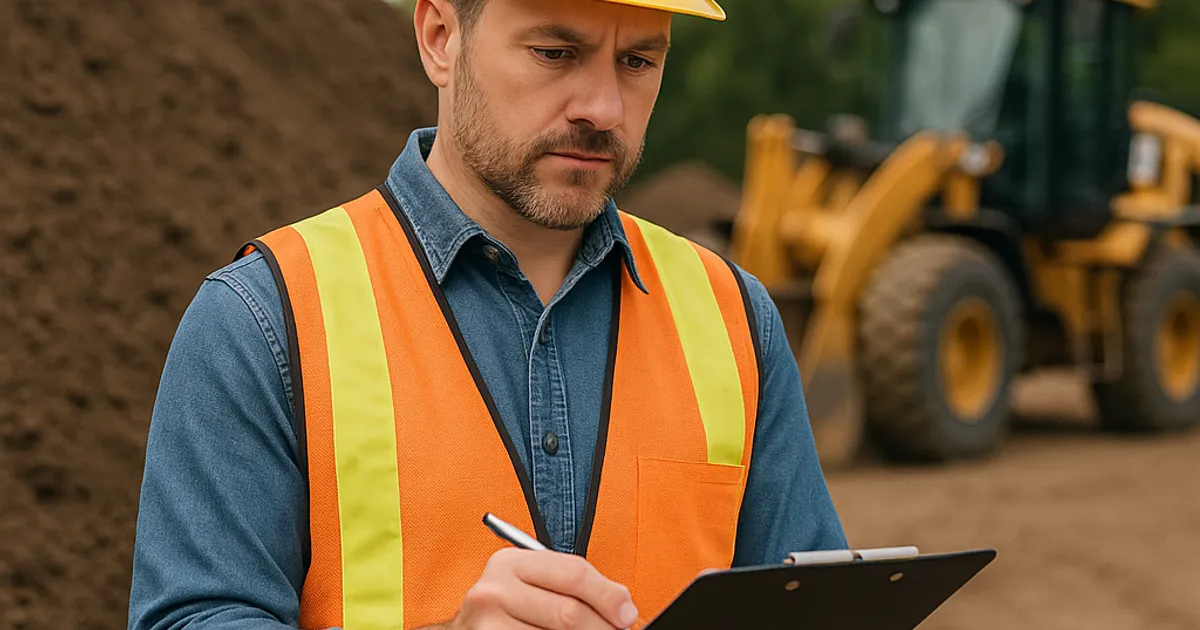
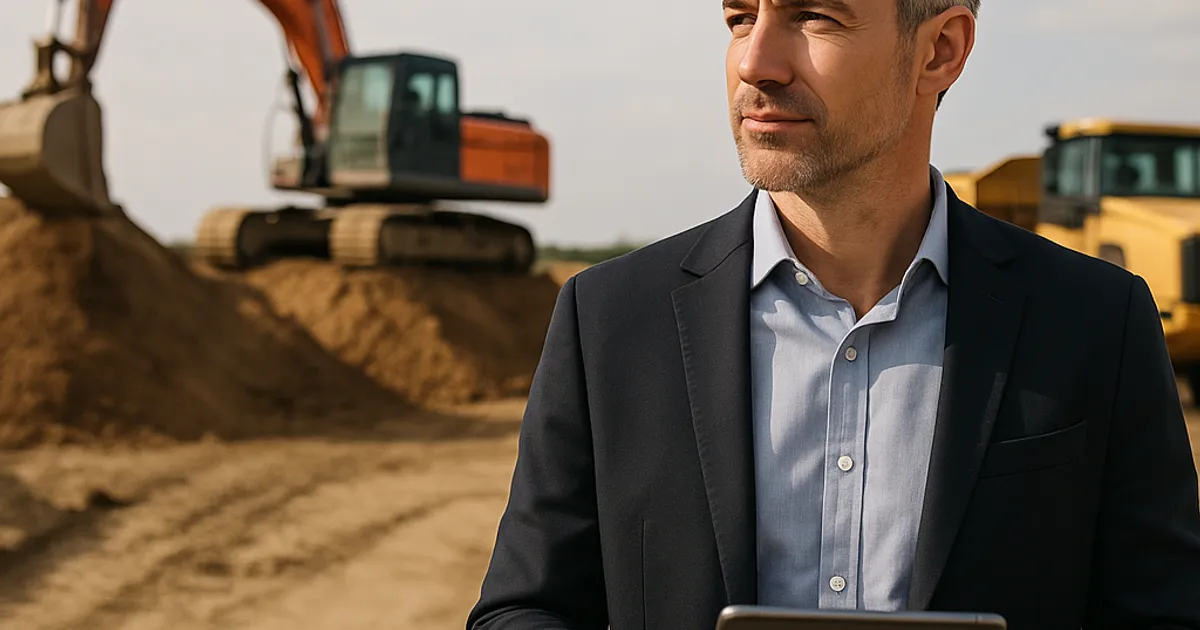
Dirt brokering is one of the most misunderstood trades in the construction industry. On the surface, it sounds simple: find someone with dirt they need to get rid of, find someone who needs dirt, and connect them. In practice, it requires deep local market knowledge, fast communication, an understanding of soil science, and in 2026, the ability to leverage technology that can compress a multi-day matching process into minutes.
The earthwork materials market in the United States moves enormous volumes every year. According to US Census construction spending data, total construction put in place exceeded $2.1 trillion in recent annual reports, with site preparation and earthwork representing a significant slice of that number. Within that ecosystem, fill dirt, clean rock, topsoil, and excavation spoils change hands constantly. Brokers who understand how to position themselves between buyers and sellers are capturing real margin while solving a genuine logistical problem for both sides.
This article explores the methods, tools, and strategies that top dirt brokers use to find buyers and sellers fast in 2026, what separates the high-performers from those still grinding it out with phone calls and paper maps, and how emerging platforms are reshaping the excavation material exchange landscape.
What a Dirt Broker Actually Does
A dirt broker is an intermediary who facilitates the transfer of earthwork materials between parties who generate material and parties who need it. Unlike a materials supplier who owns inventory, a broker typically never takes physical possession of the dirt. The value they provide is information, speed, and logistics coordination.
On any given week, a working broker might be managing several active deals simultaneously:
- A residential developer who has 3,000 cubic yards of sandy loam they need removed before a foundation pour
- A road contractor who needs 8,000 cubic yards of compactable fill for a highway embankment project
- A landscaping company looking for screened topsoil within 15 miles of their job site
- A gravel pit operator with excess crushed aggregate who needs a buyer before their stockpile area fills up
The broker's job is to match these parties in a way that minimizes hauling distance, keeps trucking costs manageable for both sides, and closes the deal before either party finds another solution or the project timeline forces a different decision.
Brokers earn their margin in a few ways. Some charge a per-cubic-yard fee, typically ranging from $0.50 to $3.00 per yard depending on material quality and market. Others negotiate a flat brokerage fee or take a percentage of the haul contract value. In markets where clean fill is scarce, particularly in coastal cities and dense urban areas, brokers can command significantly higher margins.
The Traditional Way Brokers Found Buyers and Sellers
For decades, dirt brokering operated almost entirely on personal relationships and local reputation. A broker built a contact list over years of working in a region. They knew which excavators always had excess material, which developers were always building, and which material suppliers were willing to accept third-party loads.
The tools of the trade were a phone, a detailed map, and a notebook. Experienced brokers developed informal networks through jobsite visits, local contractor association meetings, and word of mouth. If you knew 50 excavators and 50 developers personally, you had a functioning business.
This model worked, but it had serious limitations. Geographic reach was constrained by how far a broker's personal network extended. New entrants to the market had almost no way to build deal flow quickly. Buyers and sellers outside a broker's immediate circle were invisible to each other. And deals that should have been obvious matches, like a commercial excavation a mile away from a subdivision needing fill, were routinely missed simply because neither party knew the other existed.
The information gap was the core problem, and technology in 2026 has made substantial progress in closing it.
How Digital Platforms Changed the Game
The shift toward digital excavation material exchange accelerated sharply in the early 2020s, driven by a combination of rising trucking costs, tighter landfill capacity, and the broader adoption of construction technology tools across the industry. By 2026, the brokers doing the highest volume are those who have embraced digital matching as their primary deal-generation tool rather than a supplement to their phone network.
Digital platforms designed specifically for earthwork materials function in a few distinct ways:
Listing-based matching: Sellers post available material with details on volume, material type, location, and availability window. Buyers browse listings filtered by distance, material classification, and quantity. The platform facilitates introductions or direct negotiation.
Algorithmic soil matching: More sophisticated platforms use location data, project timelines, and material specifications to automatically surface relevant matches. Rather than browsing, buyers and sellers receive alerts when a compatible match appears nearby.
Integrated logistics coordination: Some platforms now connect material matching with trucking availability, helping both parties understand haul cost estimates before committing to a deal.
For brokers using platforms like DirtMatch, the ability to list available material and immediately reach a broad pool of regional buyers and sellers dramatically compresses the time it takes to close a deal. Instead of spending half a day calling contacts, a broker can post a load, field inbound inquiries, and have a deal in motion within hours.
Understanding Soil Classification and Why It Matters for Matching
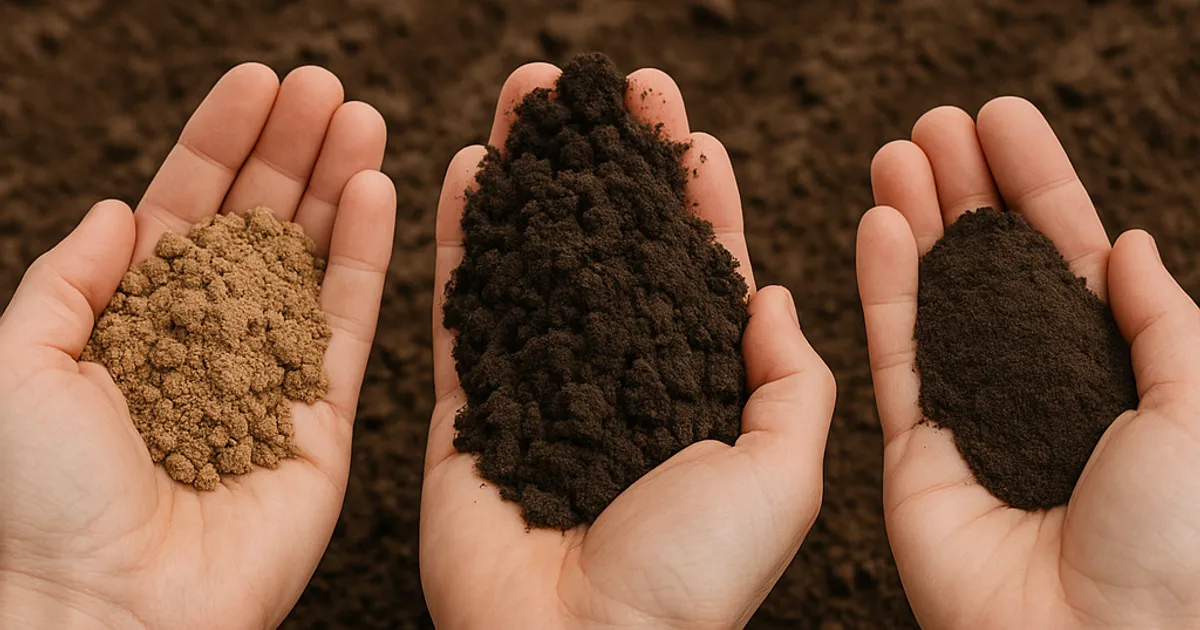
One of the competencies that separates effective dirt brokers from casual operators is a working knowledge of soil classification. Not every load of dirt is interchangeable, and brokers who can speak knowledgeably about material specifications earn more trust from contractors on both sides of a deal.
The most widely used soil classification system in construction is ASTM D2487, which categorizes soils by grain size, plasticity, and organic content into groups like GW (well-graded gravel), SW (well-graded sand), CL (lean clay), and ML (silt). ASTM International maintains these standards, which are referenced in virtually every DOT specification and commercial earthwork contract in the country.
From a brokering standpoint, the practical classifications you encounter most often fall into a few categories:
| Material Type | Typical Use | Relative Demand | Average Value ($/CY) |
|---|---|---|---|
| Clean topsoil (screened) | Landscaping, finish grade | High | $8 to $25 |
| Sandy loam fill | General fill, residential pads | High | $2 to $12 |
| Clay fill (compactable) | Embankments, pond liners | Moderate | $1 to $8 |
| Crushed rock/aggregate | Road base, drainage | Very High | $12 to $40 |
| Clean concrete rubble | Permitted recycling uses | Moderate | $0 to $5 |
| Contaminated or unknown soil | Regulated disposal only | Negative value | Cost to dispose |
Brokers who can accurately assess material type during a site visit or phone conversation are far more effective at generating real deal flow. Misrepresenting material, even unintentionally, burns relationships fast. If a buyer is expecting compactable fill and receives expansive clay, that is a costly problem for everyone involved.
For brokers looking to deepen their soil knowledge, the USDA Web Soil Survey provides free soil maps and classification data for any location in the United States, which can help estimate what material a site is likely to generate before a broker ever visits in person.
How Top Brokers Build Their Buyer and Seller Network in 2026
Even with digital platforms handling much of the discovery work, the most productive brokers in 2026 are still relationship-focused. Technology accelerates deals; relationships close them. Here is how high-performing brokers are building their networks today.
Target the Excavation Contractors First
Excavation contractors are the primary source of available material. They are generating spoils constantly across residential, commercial, and infrastructure projects. Brokers who have three or four large excavation companies as consistent seller clients have a steady stream of available material to bring to market.
The best way to break into these relationships is to solve a problem they already have. Most excavators are paying to haul material to a landfill or paying dump fees that erode their project margins. A broker who shows up with a credible buyer for that material, reducing or eliminating the haul-away cost, is providing immediate value.
Build the Buyer Side with Developers and DOT Contractors
On the demand side, residential and commercial developers are the most consistent fill dirt buyers. A subdivision going in on raw land might need 20,000 to 100,000 cubic yards of fill to bring pads to grade. DOT and highway contractors often need even larger volumes for embankments, road widening, and bridge approaches.
Brokers should attend local planning commission meetings, monitor building permit databases, and cultivate relationships with civil engineers who design these projects early in the development cycle. Being in the conversation before a project breaks ground puts a broker in position to arrange material sourcing before the contractor has found their own solution.
Use DirtMatch to Expand Beyond Your Immediate Network
For brokers who want to grow beyond their existing contact list, getting started with DirtMatch provides immediate access to a network of contractors, developers, and material suppliers across a broker's target region. Rather than relying solely on who you know, a digital platform lets you operate at a scale that would otherwise require a much larger team.
Join Contractor Associations and Show Up
The AGC of America and its local chapters remain valuable networking environments in 2026. Heavy equipment dinners, contractor expos, and infrastructure summit events bring together the exact buyers and sellers a broker wants to know. Consistent presence at these events builds the kind of familiarity that makes a cold call feel like a warm one.
The Speed Advantage: How Brokers Close Deals Faster
Speed is one of the most important competitive advantages in dirt brokering. Projects run on tight timelines. An excavator who needs their cut material removed in the next 72 hours is not going to wait four days for a broker to find a buyer. The brokers who can respond fastest with credible options win the deal.
In 2026, the tactics that drive deal speed include:
Pre-qualified buyer lists: Maintaining a list of active buyers sorted by material type, location, and volume capacity means a broker can make targeted calls within minutes of receiving a new seller inquiry. Not a list of everyone you have ever met, but a live, updated list of who is actively buying right now.
Mobile-first communication: Most field decisions in construction are made on a phone. Brokers who text, use voice messages, and respond within minutes consistently outperform those who rely on email and scheduled callbacks.
Real-time platform alerts: Platforms that push notifications when a matching load appears in a broker's target area allow them to act before the competition even knows the opportunity exists.
Standing relationships with trucking companies: Knowing which trucking companies have available capacity on short notice is a genuine advantage. If a broker can walk into a deal already knowing they have trucks available, they reduce the friction for the seller dramatically.
Clear material specs upfront: Deals fall apart when the material on-site does not match what was described. Brokers who confirm specifications early, including asking about soil test results or requesting photos of the cut material, reduce the chance of a deal collapsing at the last minute.
Find or Post Dirt, Rock & Aggregate
Join thousands of contractors using DirtMatch to buy, sell, and exchange earthwork materials.
Try DirtMatch FreeRegional Markets and Why Location Shapes Brokering Strategy
Dirt brokering is fundamentally a local business. Hauling costs scale with distance, and a perfect material match that requires a 90-mile round trip may not be economically viable. Understanding how regional factors shape supply and demand is critical to operating profitably.
In dense coastal markets like Los Angeles and San Francisco, urban infill development creates constant demand for fill material while also generating massive volumes of excavation spoils from underground parking structures, tunnels, and basement construction. Brokers in these markets often deal with premium pricing because suitable fill sources are scarce within economical hauling distance. The dirt exchange in Los Angeles and dirt exchange in San Francisco markets both reflect this dynamic, where clean fill commands prices that would seem extraordinary to brokers in the Midwest.
In growth markets like Denver and Seattle, rapid residential and commercial expansion creates high demand for compactable fill as developers race to bring raw land up to grade. Brokers in the dirt exchange in Denver market, for example, benefit from a combination of strong infrastructure investment and suburban expansion that keeps both the buyer and seller sides of the market active year-round.
Regional environmental regulations also shape what material can be moved and where. Brokers need to understand state-specific rules around soil reuse, contaminated material handling, and permitted disposal sites. What is acceptable as clean fill in one jurisdiction may require testing or special permitting in another.
Qualifying Material: What Brokers Check Before Making a Match
Not every load of dirt is worth brokering. Part of what makes a broker genuinely useful to their clients is the ability to qualify material before wasting anyone's time. Here is a working checklist that experienced brokers use when evaluating a potential seller's material:
Volume estimate: Is the stated volume accurate, and how was it calculated? Sellers often overestimate volume, which matters if a buyer has a specific quantity need.
Material type and classification: Has anyone done a visual assessment or basic field test? Ribbon testing for clay content takes 30 seconds and tells a broker a lot about what they are dealing with.
Contamination risk: What was on this site before? Former commercial or industrial sites carry contamination risk that may require environmental testing before the material can be reused. Brokers should ask directly about prior land use.
Access and loading: Can trucks get in and out of the site efficiently? A load that requires an hour of spotting and maneuvering per truck is less attractive to buyers than one with clean access.
Availability window: When does the material need to move, and how much flexibility exists? A rigid 48-hour window requires a different approach than a project that can accommodate material movement over two weeks.
Regulatory status: Has the seller pulled any necessary permits for material removal? In some jurisdictions, moving soil off a site requires documentation.
Brokers who run through this qualification process quickly and efficiently are far more credible to buyers. When a buyer knows a broker does their homework, they are willing to move faster on deals without requiring as much independent verification.
Technology Tools Shaping Dirt Brokering in 2026
Beyond dedicated material matching platforms, a range of technology tools have become part of the modern dirt broker's workflow.
GPS and mapping software: Tools like Google Earth Pro and specialized GIS applications allow brokers to measure site areas, estimate volumes from aerial imagery, and map haul routes to calculate trucking costs before a deal is structured.
Drone surveys: Brokers working with larger volumes increasingly use drone surveys to generate accurate stockpile measurements and site assessments. What once required a surveyor can now be done in an afternoon for a fraction of the cost.
Digital contracts and e-signature platforms: Speed matters in deal closing. Brokers who can generate a basic brokerage agreement and get it signed digitally close deals faster and with fewer disputes than those relying on paper.
CRM systems adapted for earthwork: Customer relationship management tools help brokers track active buyers and sellers, log deal history, and set follow-up reminders. Even a basic CRM keeps a broker organized across multiple simultaneous deals.
Machine control data from GPS-equipped equipment: High-end excavators and dozers now generate real-time volume data from GPS machine control systems. Sellers using equipment from manufacturers like Komatsu with intelligent machine control can provide brokers with accurate cut volumes as work progresses, rather than requiring a surveyor after the fact.
Platforms like DirtMatch integrate many of these functions into a single workflow, reducing the number of tools a broker needs to juggle while increasing the speed and accuracy of matches.
How to Price a Dirt Brokering Deal
Pricing is one of the areas where new brokers most often leave money on the table or price themselves out of a deal. Understanding the cost components on both sides of a transaction is essential to structuring deals that work.
The seller's primary cost concern is usually the cost of hauling material to a landfill or permitted dump site. If a broker can find a buyer who accepts the material, the seller saves on tipping fees, which can range from $15 to $60 per load at a construction landfill depending on region, plus the trucking cost. A broker who eliminates or reduces this cost is providing quantifiable value that justifies a brokerage fee.
The buyer's primary cost concern is typically the delivered cost of material per cubic yard compared to purchasing from a commercial supplier. If a broker can deliver clean fill at $6 per yard when the nearest quarry charges $14, the buyer is strongly motivated to deal.
The broker's margin should be structured to fit between these two numbers. In a deal where the seller avoids $8 per yard in disposal costs and the buyer saves $6 per yard versus commercial supply, there is room for a broker to earn $1 to $3 per yard while still delivering value to both parties.
Brokers should always confirm trucking costs with carriers before finalizing deal pricing. Fuel costs, axle weight limits, haul distance, and truck availability all affect the all-in cost of moving material. A deal that pencils out on paper can fall apart if trucking costs are higher than estimated.
Common Mistakes That Slow Brokers Down
Even experienced brokers make mistakes that cost them time and deals. Understanding these pitfalls helps newer brokers avoid the learning curve.
Overcommitting on volume: Promising a buyer 10,000 yards when the seller actually has 6,000 is a trust-destroying error. Always build in a buffer when discussing volumes with buyers.
Skipping material qualification: Brokering a load without confirming material type and condition leads to rejected loads, disputes, and chargebacks.
Failing to confirm trucking availability: A deal is not a deal until trucks are scheduled. Brokers who count a deal as closed before logistics are confirmed frequently end up with last-minute failures.
Working outside your geographic knowledge: Hauling economics change quickly with distance. A broker who operates outside their familiar market without doing the cost math often structures deals that look profitable but are not after trucking costs are factored in.
Not following up consistently: Many deals do not close on the first call. Brokers who maintain consistent follow-up with both sides of a pending deal close significantly more business than those who move on after a single conversation.
Building a Sustainable Dirt Brokering Business
The brokers who build durable, profitable businesses in 2026 share a few common traits beyond just deal-closing skill. They are organized, they protect their reputation aggressively, and they invest in their network and tools consistently.
Reputation is the foundation of everything in this business. Both buyers and sellers talk to each other. A broker who misrepresents material, fails to deliver on commitments, or creates billing disputes will find their network shrinking quickly. Conversely, a broker who is known for accuracy, transparency, and follow-through will find that clients refer them proactively.
Scalability in dirt brokering comes from systems. A broker who handles everything personally can only manage so many active deals. Building checklists, templates, and workflows that can be executed consistently, whether by the broker or an assistant, allows volume to grow without quality degrading.
For brokers ready to expand their reach, tools like DirtMatch Pro offer enhanced visibility and priority matching features that give high-volume operators a structural advantage over competitors still relying entirely on manual methods. The combination of a strong personal network and a powerful digital platform is what positions a broker to dominate their regional market in 2026.
What the Future Looks Like for Dirt Brokering
The trajectory is clear: dirt brokering is becoming more data-driven, more platform-dependent, and more competitive. The brokers who will thrive in the next five years are those who treat their operation as a professional business with real systems, not just a side hustle built on personal contacts.
Artificial intelligence is beginning to play a role in material matching, with platforms starting to use predictive algorithms that anticipate material availability based on permit data, project schedules, and historical patterns. This means brokers may soon be able to identify deals before either party has even listed their material.
Sustainability considerations are also shaping the market. As jurisdictions tighten regulations around soil disposal and encourage material reuse, the regulatory environment is pushing more earthwork material through formal exchange channels rather than straight to landfills. This trend structurally increases the volume of material flowing through the brokered market.
Brokers who position themselves now as the knowledgeable, trustworthy, technology-enabled option in their region will be well-placed to capture this growing flow. The fundamentals have not changed: find material, find a home for it, and make the transaction work for everyone. The tools available to execute that process in 2026 are simply far more powerful than anything available a decade ago.
For contractors and brokers looking to understand how modern soil matching actually works in practice, exploring how DirtMatch works is a strong starting point for seeing what a purpose-built platform can do for deal velocity and market reach.