Dirt excavation and hauling is one of the most foundational — and most frequently misunderstood — line items in any construction budget. Whether you're grading a residential lot, preparing a commercial foundation, restoring a mining site, or managing a large-scale infrastructure project, the cost of moving earth has a direct impact on profitability and project timelines.
According to the U.S. Bureau of Labor Statistics, the specialty trade contractors sector — which includes earthmoving operations — employs over 4.3 million workers and generates more than $600 billion in annual revenue. Within that ecosystem, excavation and dirt hauling represent a massive share of operational costs. Yet despite their centrality, these costs are notoriously difficult to estimate without a deep understanding of the variables involved.
This guide is designed to give contractors, developers, project owners, and site managers a full picture of what drives dirt excavation and hauling costs, how to calculate them accurately, and where to find opportunities to reduce expenses without sacrificing quality or compliance.
What Is Dirt Excavation and Hauling? Defining the Scope
Before diving into numbers, it's important to establish what we mean by "excavation" and "hauling" — because the two are often conflated, yet they represent distinct phases of earthwork with separate cost structures.
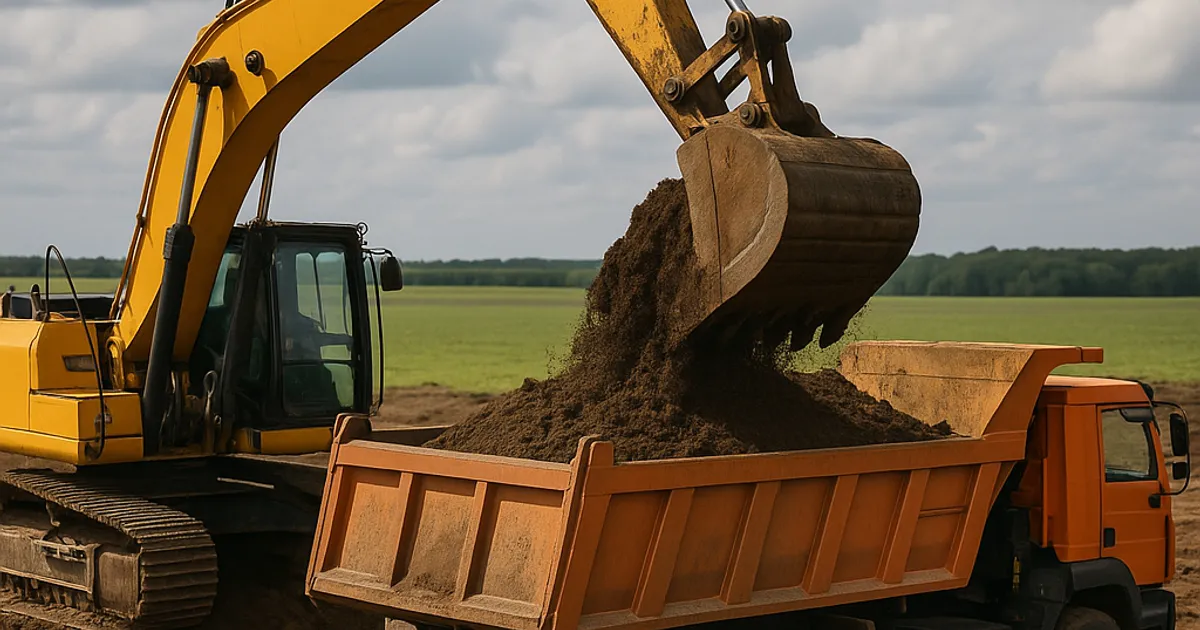
Excavation refers to the mechanical process of cutting, digging, or removing soil, rock, and other earthen materials from a site. This includes bulk earthmoving, trenching, grading, rock blasting, and footing excavation. Excavation requires heavy equipment such as excavators, bulldozers, backhoes, and motor graders.
Hauling refers to the transportation of excavated material — either off-site to a disposal location, landfill, or fill-receiving site, or on-site to a stockpile or placement area. Hauling typically involves dump trucks, articulated haulers, or off-road trucks, and its cost is closely tied to haul distance, load capacity, and cycle times.
Together, these two operations form the backbone of site preparation. Understanding where one ends and the other begins is critical for accurate cost accounting, contract writing, and project scheduling.
Key Excavation Categories
- Bulk excavation: Large-scale removal of soil or rock, typically measured in cubic yards
- Trench excavation: Narrow, deep cuts for utilities, drainage, or foundations
- Rock excavation: Involves blasting or hydraulic hammering of solid rock formations
- Topsoil stripping: Removal of the uppermost organic layer for preservation or disposal
- Structural excavation: Precise digging for building foundations, piers, or footings
Average Cost of Dirt Excavation: National Benchmarks
Excavation costs vary widely depending on location, soil conditions, project size, and contractor availability. That said, national benchmarks provide a useful starting point for budgeting.
Excavation Cost Per Cubic Yard
The most common unit of measurement for excavation is the cubic yard (27 cubic feet). Here's a breakdown of average excavation costs by type:
| Excavation Type | Low Estimate | Mid Estimate | High Estimate |
|---|---|---|---|
| General bulk excavation | $3.00/CY | $8.00/CY | $15.00/CY |
| Trench excavation | $8.00/CY | $15.00/CY | $30.00/CY |
| Rock excavation (blasting) | $40.00/CY | $75.00/CY | $150.00/CY |
| Topsoil stripping | $1.50/CY | $4.00/CY | $8.00/CY |
| Structural/footing excavation | $10.00/CY | $20.00/CY | $45.00/CY |
Source: RSMeans Construction Cost Data 2024 and contractor surveys
Excavation Cost Per Hour
Many contractors also price excavation by the hour, especially for smaller jobs or when soil conditions are unpredictable:
| Equipment Type | Operator Hourly Rate | Equipment Hourly Rate | Combined Rate |
|---|---|---|---|
| Mini excavator (1–3 ton) | $45–$75 | $75–$150 | $120–$225/hr |
| Standard excavator (20–35 ton) | $65–$95 | $200–$400 | $265–$495/hr |
| Bulldozer (D6–D8 class) | $65–$95 | $250–$500 | $315–$595/hr |
| Backhoe loader | $50–$80 | $100–$200 | $150–$280/hr |
| Hydraulic rock hammer | $75–$110 | $300–$600 | $375–$710/hr |
For large commercial and infrastructure projects, some earthwork contractors price at a lump sum or unit price per linear foot for trenching or per square foot for grading operations.
Dirt Hauling Costs: Trucking, Tonnage, and Distance
Once material is excavated, it needs to go somewhere. Hauling costs are primarily determined by three variables: distance, truck capacity, and load cycle time.
Average Dirt Hauling Cost Per Load
| Truck Type | Capacity (CY) | Short Haul (< 5 mi) | Medium Haul (5–20 mi) | Long Haul (> 20 mi) |
|---|---|---|---|---|
| Standard dump truck | 10–14 CY | $250–$400 | $350–$600 | $600–$1,200 |
| Tandem axle dump | 14–18 CY | $300–$500 | $450–$750 | $750–$1,500 |
| Semi-trailer (belly dump) | 20–25 CY | $400–$650 | $600–$950 | $900–$2,000 |
| Articulated haul truck | 30–40 CY | On-site only | On-site only | N/A |
Hauling Cost Per Cubic Yard
For bulk estimation, most contractors use a per-cubic-yard cost:
- Local haul (< 5 miles): $5–$15/CY
- Regional haul (5–20 miles): $12–$25/CY
- Long-distance haul (> 20 miles): $20–$50/CY
The Swell Factor: Why Volume Matters
A critical concept in hauling cost estimation is the swell factor — the expansion in volume that occurs when material is excavated from its in-place (bank) state. Clay soils typically swell 25–35%, while sandy soils swell 10–15%, and rock can swell 30–50% or more after blasting.
This means a 1,000 cubic yard bank measure of clay will produce approximately 1,300 cubic yards of loose material — and you'll pay hauling costs on all 1,300 yards. Ignoring swell factors is one of the most common — and costly — mistakes in earthwork budgeting.
Platforms like DirtMatch help contractors connect with nearby fill dirt sources or receiving sites, which dramatically reduces haul distance and can cut total hauling costs by 30–50% compared to using distant landfills or remote stockpile sites.
Key Factors That Influence Excavation and Hauling Costs
No two earthwork projects are identical. The following factors can significantly raise or lower your final costs:
1. Soil Classification and Conditions
The OSHA excavation standard (29 CFR 1926 Subpart P) classifies soils into three categories based on cohesiveness and stability: Type A (most stable, e.g., cemented clay), Type B (medium stability, e.g., angular gravel, fissured clay), and Type C (least stable, e.g., gravel, sand, submerged soil). Unstable soils require sloping, shoring, or trench boxes — all of which add cost.
Beyond safety classification, soil composition affects machine productivity (a bucket cycle in rock-hard caliche is much slower than in loamy topsoil) and disposal requirements (contaminated or expansive soils may require special handling).
2. Site Access and Topography
Steep grades, limited ingress/egress points, overhead utilities, existing structures, and underground infrastructure all constrain equipment movement and increase cycle times. A tight urban site where a full-size excavator can't fit will require smaller equipment — at lower productivity and higher per-unit cost.
3. Rock and Obstructions
Encountering unexpected rock, boulders, buried concrete, or old utilities mid-project is a budget buster. Rock excavation — especially when blasting is required — can cost 5–10x more per cubic yard than standard soil excavation. A thorough geotechnical investigation (geotech report) prior to bidding is essential for managing this risk.
4. Dewatering Requirements
High groundwater tables require continuous pumping operations. Dewatering adds $500–$5,000+ per day depending on volume, depth, and discharge requirements. Some jurisdictions also require discharge permits under the EPA's National Pollutant Discharge Elimination System (NPDES), adding permitting costs and potential delays.
5. Seasonal Conditions
Frozen ground in northern climates can significantly increase excavation difficulty and cost, sometimes requiring frost-breaking attachments or thermal ground thawing systems. Wet season conditions increase both excavation difficulty and hauling costs due to muddy access roads, weight restrictions on public roadways, and material handling challenges.
6. Dump Fees and Disposal Regulations
Getting rid of excavated material costs money. Tipping fees at construction and demolition (C&D) landfills typically range from $15–$60 per ton for clean fill, and significantly more for contaminated material. In densely populated metro areas, dump fees can be a dominant cost driver.
This is where smart material matching becomes a game-changer. By connecting with projects that need fill dirt, excavators can often dump their material for free — or even get paid for it. The dirt exchange in Denver and similar regional markets have become active ecosystems where surplus excavated material has real value.
7. Hauling Permits and Road Restrictions
Overweight trucks require permits, which vary by state and jurisdiction. Many states enforce spring weight restrictions from February through May, limiting truck payloads and increasing the number of loads — and cost — required to move the same volume of material. Always budget for permitting costs when moving large volumes across public roads.
Equipment Costs and Ownership vs. Rental
One of the most significant decisions any earthwork contractor faces is whether to own or rent heavy equipment. This decision directly impacts project cost and must be factored into any honest cost analysis.
Ownership Costs
Owning excavation and hauling equipment involves:
- Purchase price: A new 20-ton excavator costs $150,000–$400,000; a standard dump truck runs $100,000–$180,000 new
- Depreciation: Typically 10–20% of purchase price per year
- Insurance: $5,000–$20,000+ per year per machine
- Maintenance and repair: Typically $15–$25 per operating hour
- Financing costs: Interest on equipment loans
- Storage and yard costs
Using the Association of Equipment Manufacturers (AEM) ownership cost formula, the true all-in cost of owning and operating a 20-ton excavator is often $150–$300 per hour when all factors are included.
Rental Costs
Renting eliminates ownership overhead but comes at a premium rate:
| Equipment | Weekly Rental | Monthly Rental |
|---|---|---|
| Mini excavator (3–5 ton) | $1,200–$2,000 | $3,500–$6,000 |
| Standard excavator (20 ton) | $4,000–$7,000 | $12,000–$20,000 |
| Bulldozer (D6 class) | $5,000–$8,000 | $14,000–$25,000 |
| Standard dump truck | $1,500–$2,500 | $4,500–$8,000 |
For project owners and developers who are not in the earthmoving business, the relevant question is simply: what does the contractor charge me? That's why understanding the underlying equipment economics helps you evaluate bids more critically.
How to Calculate Earthwork Costs: A Step-by-Step Approach
Accurate earthwork cost estimation follows a systematic process. Whether you're an owner preparing for contractor bids or a contractor preparing your own estimate, these steps apply:
Step 1: Determine Earthwork Quantities
Use design drawings, topographic surveys, or drone-based photogrammetry to calculate cut and fill volumes. Software such as AutoCAD Civil 3D, AGTEK, or Earthwork 3D provides accurate mass haul analysis. Express quantities in bank cubic yards (BCY) — the volume of material in its undisturbed state.
Step 2: Apply Swell and Shrinkage Factors
Convert BCY to loose cubic yards (LCY) for hauling calculations and to compacted cubic yards (CCY) for fill placement calculations using published conversion factors from geotechnical data or standard tables.
Step 3: Estimate Production Rates
Determine how much material each piece of equipment can move per hour based on manufacturer specifications adjusted for job efficiency (typically 45–83 minutes of productive work per hour is standard). The Caterpillar Performance Handbook is an industry-standard reference for equipment productivity data.
Step 4: Calculate Equipment Hours and Costs
Divide total volume by hourly production rate to get required equipment hours. Multiply by all-in hourly rate (ownership + operating or rental rate).
Step 5: Calculate Truck Cycles and Hauling Costs
Determine average haul distance and cycle time (load, haul, dump, return). Calculate number of loads required. Multiply by cost per load or apply a per-CY haul rate.
Step 6: Add Indirect Costs and Markup
Add mobilization/demobilization, permits, erosion control (required under most state NPDES Construction General Permits), project management, and contractor markup (typically 10–20% for earthwork specialty contractors).
Step 7: Build in Contingency
For complex sites with uncertain subsurface conditions, a 10–25% contingency on earthwork is prudent. Even with a geotechnical investigation, surprises happen.
Find or Post Dirt, Rock & Aggregate
Join thousands of contractors using DirtMatch to buy, sell, and exchange earthwork materials.
Try DirtMatch FreeRegional Cost Variations: Where You Work Matters
Excavation and hauling costs are not uniform across the country. Labor rates, fuel costs, equipment availability, land use density, and disposal infrastructure all vary significantly by region.
High-Cost Markets
Coastal urban markets consistently command the highest earthwork costs:
- San Francisco Bay Area: Excavation costs run 40–60% above the national average. Tight urban sites, union labor requirements, and aggressive regulatory environments drive costs up. Projects in the dirt exchange in San Francisco market benefit from active material matching networks to offset disposal costs.
- Seattle: High rainfall and challenging soil conditions (glacial till, fill over soft bay mud) add complexity. The dirt exchange in Seattle sees significant demand from tech campus and transit construction projects.
- Los Angeles and San Diego: Traffic congestion dramatically extends haul times, raising trucking costs. Strict AQMD (Air Quality Management District) regulations limit diesel idling and may require newer-model equipment. The dirt exchange in Los Angeles and dirt exchange in San Diego markets are among the most active in the country.
- Boston: Dense urban environment, unionized labor, and historic underground infrastructure create complex excavation conditions. The dirt exchange in Boston serves major development projects throughout the metro region.
Moderate-Cost Markets
- Denver/Front Range Colorado: Rocky Mountain projects often encounter unexpected rock, but open land access and a competitive contractor market keep costs moderate. The dirt exchange in Denver is growing rapidly with infrastructure expansion.
- Boulder, CO: University and tech development drives consistent excavation demand. The dirt exchange in Boulder serves both urban and mountain terrain projects.
Lower-Cost Markets
Rural Midwest, Southeast, and Plains states generally offer the lowest excavation costs, with favorable soil conditions, lower labor rates, and ample disposal capacity. Bulk excavation rates in these markets can be 30–50% below coastal averages.
Dirt Disposal and Fill Sourcing: The Hidden Cost Opportunity
For many excavation projects, material disposal is treated as a pure cost — something to be minimized. But savvy contractors and developers are increasingly treating surplus excavated material as a resource rather than waste.
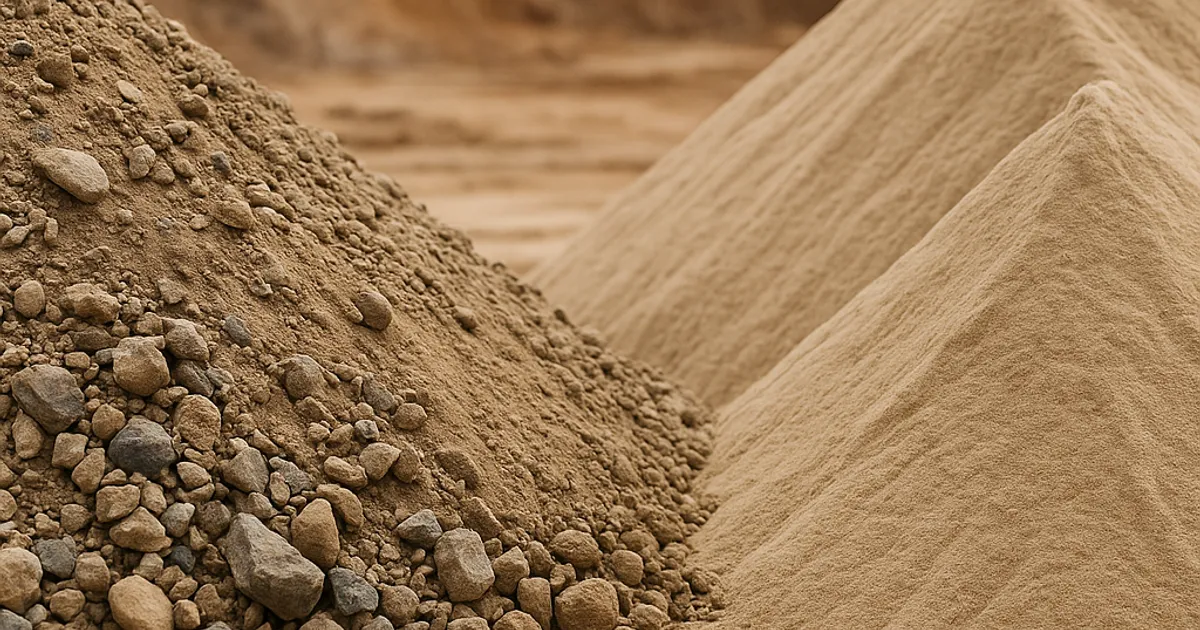
Clean fill dirt — particularly sandy loam, clean gravel, or well-graded fill — has real market value in many regions. Developers paying $8–$20 per cubic yard to accept fill can significantly offset excavation costs for projects that generate large volumes of clean material.
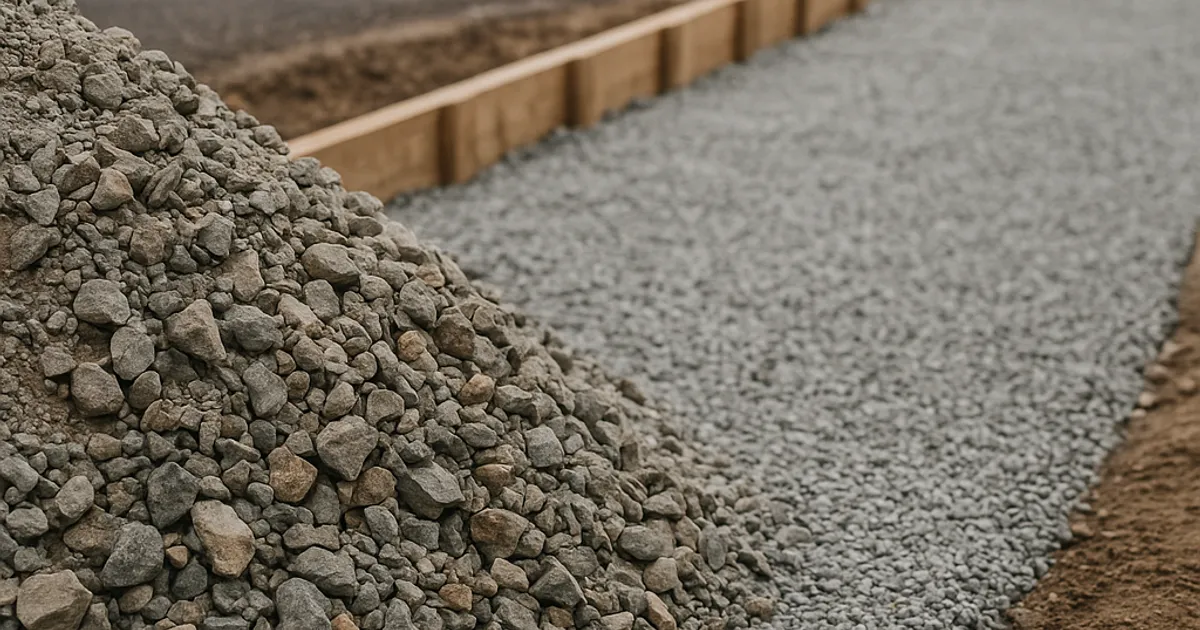
Conversely, projects that need fill can avoid the cost of purchasing commercial fill ($12–$35/CY delivered) by sourcing directly from nearby excavation projects. The math works for both sides of the transaction — it's simply a logistics and coordination problem.
This is precisely the problem that DirtMatch was built to solve. By connecting contractors who have surplus material with projects that need it — and vice versa — DirtMatch eliminates the middleman, reduces haul distances, and creates cost savings for everyone involved. Understanding how DirtMatch works can help contractors and project owners identify opportunities to reduce material costs on every job.
Contaminated Soil: A Separate Cost Category
Soil contaminated with petroleum hydrocarbons, heavy metals, or other regulated substances falls under entirely different disposal rules. Remediation and disposal of contaminated soils can cost $50–$300+ per ton depending on contamination type and regulatory requirements. Always conduct Phase I and Phase II Environmental Site Assessments before budgeting earthwork on brownfield or industrial sites.
Erosion Control, Permits, and Compliance Costs
Excavation projects don't happen in a regulatory vacuum. Compliance costs are a real part of the earthwork budget and are frequently underestimated.
Stormwater and NPDES Compliance
Any construction site disturbing one acre or more of land is required to obtain coverage under the EPA's Construction General Permit (CGP) and implement a Stormwater Pollution Prevention Plan (SWPPP). Erosion and sediment control measures — silt fencing, fiber rolls, sediment basins, stabilized construction entrances — cost $500–$5,000+ per disturbed acre to install and maintain.
Violations of NPDES permits can result in fines up to $25,000 per day per violation. Budgeting properly for compliance is not optional.
Grading and Excavation Permits
Local jurisdictions typically require grading permits for projects exceeding certain thresholds (often 50–100 cubic yards in residential zones). Permit fees vary widely:
- Small grading permit (< 500 CY): $200–$800
- Medium grading permit (500–5,000 CY): $500–$3,000
- Large grading permit (> 5,000 CY): $1,500–$15,000+
Some jurisdictions also require soils engineering reports, grading plans stamped by a licensed civil engineer, and inspections at various project milestones.
Blasting Permits
Rock blasting requires federal (ATF) regulation compliance for explosives handling, plus state and local blasting permits. Permit costs and bonding requirements can add $2,000–$20,000 per project depending on jurisdiction and project scale.
Strategies to Reduce Excavation and Hauling Costs
With a clear picture of what drives costs, here are practical strategies to keep earthwork budgets under control:
1. Optimize Cut/Fill Balance
Work with your civil engineer during design to minimize net import or export of material. A site design that achieves cut/fill balance — where excavated material is reused as fill on the same site — eliminates or dramatically reduces hauling costs. Every cubic yard you don't haul off-site saves you trucking and disposal fees.
2. Conduct Thorough Subsurface Investigation
Geotechnical investigations are an upfront cost (typically $3,000–$25,000 depending on site complexity) that can prevent massive cost overruns. Understanding subsurface conditions — depth to rock, groundwater levels, soil bearing capacity — allows for accurate bidding and eliminates expensive "changed conditions" claims.
3. Stage Excavation with Project Schedule
Sequencing excavation to align with construction milestones can reduce double-handling, minimize equipment standby time, and allow contractors to optimize equipment utilization across multiple projects.
4. Match Surplus Material with Receiving Sites
As discussed above, platforms like DirtMatch create a marketplace for dirt and aggregate materials that benefits both excavators with surplus and projects needing fill. Rather than paying $20–$40/CY to dump clean fill at a landfill, matching it to a nearby project needing exactly that material type can save thousands to hundreds of thousands of dollars on large jobs. Contractors looking to get started can get started with DirtMatch to immediately access a network of material opportunities in their region.
5. Negotiate Volume Discounts
For large projects generating significant trucking volume, negotiate per-load rates based on guaranteed volume commitments. Trucking companies will offer meaningful discounts for steady, predictable work.
6. Time Your Project Strategically
Excavation rates are typically lower in late fall and winter in northern markets when demand drops. If your project timeline allows flexibility, bidding and mobilizing during off-peak seasons can yield 10–20% savings on labor and equipment.
7. Use Drones and GPS Machine Control
Investing in drone-based quantity surveys (approximately $500–$2,000 per flight) provides highly accurate earthwork volumes that prevent over-excavation. GPS machine control on graders and dozers reduces rework by achieving design grades on the first pass, saving significant equipment hours.
Comparing Contractor Bids: What to Look For
When soliciting bids for excavation and hauling work, it's important to ensure you're comparing apples to apples. Here's a checklist of what to verify in each bid:
| Bid Component | Questions to Ask |
|---|---|
| Quantity basis | What unit of measure (BCY, LCY, tons)? What quantities? |
| Soil classification | What soil type is assumed? What if rock is encountered? |
| Haul distance | Where is material going? How far? |
| Disposal fees | Are dump/tipping fees included or excluded? |
| Permits | Are grading and hauling permits included? |
| Erosion control | Is SWPPP and erosion control included? |
| Compaction | If fill is required, is compaction testing included? |
| Mobilization | What is the mobilization/demobilization cost? |
| Unit prices for overages | What are unit prices if quantities exceed estimate? |
| Schedule | What is the committed production rate and timeline? |
A bid that looks 15% cheaper may actually exclude dump fees, permits, and erosion control — turning it into the most expensive option once those items are added back.
Technology Trends Reshaping Earthwork Costs
The earthmoving industry is undergoing rapid technological transformation that is changing cost structures across the board.
Telematics and Fleet Management
GPS-based telematics systems allow earthwork contractors to track equipment utilization, idle time, fuel consumption, and maintenance needs in real time. Studies show that telematics implementation reduces fuel costs by 10–15% and maintenance costs by 15–20%, directly improving the competitiveness of contractor pricing.
Autonomous and Semi-Autonomous Equipment
Caterpillar, Komatsu, and Volvo have all deployed semi-autonomous dozer and haul truck technology on large mining and infrastructure sites. While still limited to specific large-scale applications, these systems are reducing labor costs per cubic yard moved and will increasingly influence competitive pricing in the earthwork market over the next decade.
Drone-Based Survey and Progress Tracking
Regular drone surveys (weekly or bi-weekly) allow project managers to track earthwork progress with 1–2% volumetric accuracy, enabling real-time cost tracking and early identification of scope creep or quantity overruns.
Digital Material Marketplaces
The emergence of digital platforms connecting material suppliers, excavators, and fill-receiving projects is one of the most practically impactful technology trends for earthwork cost reduction. By increasing market transparency and reducing search costs for material matching, these platforms are compressing the inefficiency that has historically plagued the dirt and aggregate market.
Conclusion: Budgeting Earthwork with Confidence
Dirt excavation and hauling costs are complex — shaped by soil conditions, equipment choices, haul distances, regulatory requirements, regional market dynamics, and the specific demands of each project. But they are absolutely manageable with the right information, the right partners, and the right planning process.
The key takeaways from this guide:
- Know your soil: Subsurface conditions are the biggest wildcard. Invest in geotechnical investigation before finalizing your budget.
- Account for swell and shrinkage: These conversion factors directly affect your hauling cost — get them right.
- Understand regional markets: Costs vary dramatically by geography. Build your budget on local data, not national averages.
- Minimize haul distance: Every mile you eliminate saves money. Matching surplus material to nearby receiving sites is one of the highest-leverage cost reduction strategies available.
- Comply fully: Permit and regulatory compliance costs are real and non-negotiable. Budget for them upfront.
- Compare bids carefully: Ensure every bid covers the same scope, including permits, disposal, and erosion control.
For contractors and project owners looking to reduce costs through smarter material management, DirtMatch provides access to a growing network of earthwork professionals, fill dirt sources, and material-receiving projects across the country. Whether you have surplus dirt to move or need fill for your next project, connecting with the right partner at the right time can turn a major cost center into a competitive advantage.