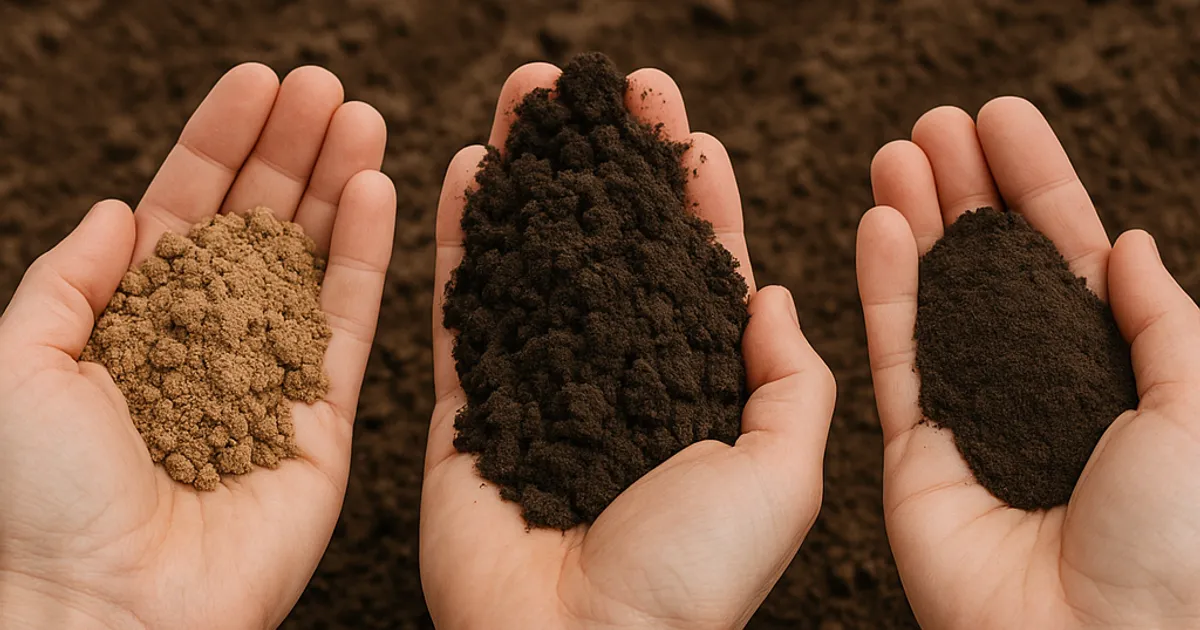

Every excavation project tells the same story: you dig down, and suddenly you have mountains of excess soil with nowhere to go. Whether you're a contractor clearing a foundation, a homeowner finishing a backyard grading project, or a civil engineer managing a large infrastructure build, dirt disposal is one of the most underestimated line items in any budget.
According to industry estimates, hauling and disposing of excess soil can account for 10–20% of total excavation project costs. For a mid-size commercial project generating 500 cubic yards of spoils, disposal fees at a licensed landfill can easily run $5,000–$15,000 or more — and that's before you factor in fuel surcharges, permit fees, and wait times at the gate.
The good news? There are legitimate, proven strategies to dramatically reduce or even eliminate dirt disposal costs. From connecting with local contractors who need fill material to creative on-site reuse, the landscape of cheap dirt disposal options is broader than most people realize. This guide breaks down every option in detail — including cost comparisons, regulatory considerations, and the digital tools that are changing how the industry moves material.
Why Dirt Disposal Costs So Much (And Why It Doesn't Have To)
Before we explore solutions, it helps to understand the cost drivers behind dirt disposal. Most contractors default to the path of least resistance: load it up and take it to the nearest landfill or transfer station. But that path comes with significant costs baked in at every step.
The True Cost of Traditional Dirt Disposal
Landfill tipping fees for clean fill dirt typically range from $8 to $25 per cubic yard, depending on your region. In high-cost markets like San Francisco, Boston, or Seattle, those numbers can climb to $30–$50 per cubic yard. A single dump truck carries approximately 10–14 cubic yards, so each load can cost $80–$350 in tipping fees alone — before you've paid the driver.
Hauling costs add another $150–$300 per load for short-haul trips (under 10 miles), depending on fuel prices and local market rates. A modest residential excavation producing 200 cubic yards of spoils could require 15–20 truck loads, generating hauling bills of $2,250–$6,000 just for transportation.
Hidden costs include:
- Soil testing requirements (contamination screening can cost $200–$800 per sample)
- Permit fees for certain disposal sites ($50–$500 depending on jurisdiction)
- Wait times at busy facilities, which translate to driver overtime
- Fuel surcharges that fluctuate with diesel prices
The underlying problem is a fundamental market inefficiency: while one contractor is paying hundreds of dollars to dump dirt, another contractor just miles away is paying hundreds of dollars to import fill. Connecting these two parties — which is exactly what platforms like DirtMatch are designed to do — eliminates unnecessary cost from both sides of the equation.
Option 1: Dirt Exchange Platforms and Online Matching Services
The single most impactful development in cheap dirt disposal over the past decade has been the rise of digital dirt exchange platforms. These services work on a simple principle: match people who have excess dirt with people who need fill material, reducing or eliminating disposal costs for both parties.
How Dirt Exchange Works
On a typical platform, a contractor with surplus excavation spoils lists the material — specifying quantity (in cubic yards), material type (clay, loam, sandy fill, decomposed granite, etc.), location, and availability window. On the other side, contractors, landscapers, farmers, or homeowners who need fill material browse available listings and arrange to receive the material, often at little or no cost.
The financial logic is compelling:
- The dirt donor avoids tipping fees and potentially reduces hauling distance
- The dirt recipient gets fill material at a fraction of retail cost ($15–$45/cy from quarries or suppliers)
- Both parties reduce truck miles, cutting fuel costs and emissions
Why DirtMatch Is the Leading Option
DirtMatch is purpose-built for exactly this kind of transaction. Unlike general-purpose classifieds or Craigslist posts — which require manual searching, uncertain vetting, and no standardized communication — DirtMatch provides a structured marketplace with material categories, volume tracking, and contractor-grade matching tools. You can learn more about how DirtMatch works to understand the full workflow, but the core value proposition is simple: reduce your disposal cost to near zero by finding a local recipient who needs your material.
For contractors in major metro areas, the platform has active listings that can dramatically cut haul distance. For example, if you're managing a project generating excess fill in a dense urban area, matching with a nearby recipient might reduce your haul from 25 miles (round-trip to a landfill) to 3 miles — cutting fuel costs by 80% and eliminating tipping fees entirely.
Cost Savings Potential
| Disposal Method | Tipping Fee (per CY) | Haul Cost (per load) | Total (200 CY project) |
|---|---|---|---|
| Commercial landfill | $15–$30 | $200–$300 | $4,500–$10,000+ |
| Dirt exchange platform | $0 | $150–$250 (shorter haul) | $1,500–$3,500 |
| On-site reuse | $0 | $0 | $0–$500 (grading labor) |
| Licensed C&D facility | $10–$20 | $200–$300 | $3,500–$7,000 |
Estimates based on 200 CY project with 15 truckloads, 5–8 mile average haul to exchange site.
Option 2: On-Site Reuse and Grading Optimization
The cheapest cubic yard of dirt is one you never haul away. Before exploring off-site disposal options, every project should evaluate whether excess soil can be productively reused on-site. This approach, often called cut-to-fill optimization, is standard practice in grading engineering and can eliminate disposal costs entirely.
Common On-Site Reuse Applications
Berms and landscaping features — Excess native soil can be shaped into decorative or functional berms, retaining swales, or elevated planting beds. A landscaping berm that would cost $800–$2,000 in imported fill material can be constructed with spoils from the same project.
Backfill operations — Foundation excavations, utility trenches, and pool excavations always generate spoils that can partially backfill other areas on the same property. Proper compaction (meeting ASTM D698 or D1557 standards, depending on specification requirements) must be achieved, but the material cost is zero.
Detention and drainage features — Excess soil can be used to shape bioswales, detention basins, and stormwater management features that are often required by local municipal codes anyway.
Subgrade preparation — On larger sites, surplus cut material from high points can be redistributed to low areas to achieve finish grade, a basic civil engineering practice outlined in grading plan specifications.
The Cut-Fill Analysis Process
For projects with a licensed civil engineer or grading contractor, a formal cut-fill analysis using software like Civil 3D or Carlson Survey can identify how much material can be balanced on-site before any hauling begins. Many projects that initially appear to have 300–400 CY of waste actually have 100–150 CY of net export after proper grade optimization.
The EPA's guidance on sustainable site development emphasizes minimizing material transport as both an environmental and economic best practice — and cut-fill balancing is one of the most direct ways to accomplish this.
Option 3: Free or Low-Cost Municipal and County Drop Sites
Many local governments operate free or reduced-cost drop sites for clean fill dirt, especially in rural and semi-rural counties. These sites exist because municipalities constantly need fill material for road maintenance, park development, and infrastructure projects — and accepting contractor spoils allows them to source material at no cost.
How to Find Municipal Drop Sites
- Contact your county public works department directly. Ask if they accept clean fill and what the intake requirements are.
- Check with your city's parks and recreation department — ongoing park development projects frequently accept clean topsoil and structural fill.
- State DOT offices sometimes accept material for highway embankment projects. Requirements are stricter (often requiring soil classification reports meeting state DOT specifications), but the disposal is free or very low cost.
- Call local landfills and ask about their "clean fill" areas — many facilities that charge for mixed C&D waste have separate, free areas for uncontaminated native soil.
What Qualifies as "Clean Fill"?
This is a critical regulatory distinction. Most free or reduced-cost disposal options require material to be uncontaminated native soil — no concrete, asphalt, wood, metal, organic material, or hazardous substances. Many jurisdictions follow EPA Resource Conservation and Recovery Act (RCRA) guidelines, which define clean fill exemptions for uncontaminated soil.
Some states have additional requirements:
- California (DTSC jurisdiction): Requires soil screening under the Cortese List and may require Phase I Environmental Site Assessment for sites with prior industrial use
- Washington State: Department of Ecology's Model Toxics Control Act (MTCA) sets cleanup standards that affect soil disposal eligibility
- Colorado: CDPHE requires soil characterization for disposal at regulated facilities
When in doubt, a basic soil screening test ($150–$400 per sample) can confirm clean fill status and open the door to free disposal options that would otherwise be unavailable.
Option 4: Connecting with Farmers and Rural Landowners
One of the most underutilized — and potentially free — options for dirt disposal is connecting with farmers and rural landowners who regularly need fill material for pond construction, road grading, erosion control, and land leveling.
Why Farmers Want Your Dirt
Agricultural operations generate constant demand for fill material:
- Farm pond construction requires large volumes of compacted clay fill for dam embankments
- Field access road maintenance uses gravel and compacted fill to repair rutted lanes
- Erosion control on sloped fields uses fill to construct terraces and waterways
- Low-lying field drainage improvement often involves raising grade with structural fill
Farmers who would otherwise pay $15–$25 per cubic yard for imported fill are highly motivated to accept free contractor spoils — provided the material meets their needs and doesn't contain debris or contamination.
How to Make the Connection
- Post in local agricultural extension office bulletin boards (physical and online)
- List on local Facebook groups for farming communities
- Contact your county Farm Bureau office
- Use dirt exchange platforms that include agricultural recipients in their network
- Post on Craigslist under the "free" section (this remains surprisingly effective in rural areas)
What to Discuss Before Delivering
Always clarify material type, estimated volume, and delivery timeline before committing. Some farmers need specific material (clay for pond liners, loam for topsoil applications) while others are flexible. Confirm vehicle access — rural property roads may have weight or clearance restrictions that affect your truck options.
Option 5: Construction Site-to-Site Material Transfers
In active construction markets, there's almost always another project nearby that needs fill. The challenge has historically been finding that project — but digital tools have made this dramatically easier.
The Contractor-to-Contractor Exchange Model
This model works particularly well in regions with high construction density. A residential developer excavating a basement in one neighborhood may be able to truck material directly to a commercial site three miles away that's importing structural fill. The result:
- Developer saves $8,000 in tipping fees
- Commercial contractor saves $12,000 in fill material costs
- Both projects move faster with reduced truck queuing at third-party facilities
This is precisely the problem DirtMatch was built to solve at scale. By maintaining an active database of active construction projects, material surpluses, and fill needs across metropolitan areas, the platform enables these exchanges to happen in days rather than the weeks or months it would take through cold calling and networking alone.
For contractors in high-cost markets — dirt exchange in Los Angeles and dirt exchange in San Francisco are particularly active — this kind of matching can mean the difference between a profitable job and a money-loser. In dense urban markets where landfill access is limited and tipping fees are highest, the value of an efficient dirt exchange network is maximized.
Matching Material Types
Not all dirt is interchangeable. Successful site-to-site transfers require attention to material compatibility:
| Material Type | Best Uses | Compatibility Notes |
|---|---|---|
| Clean native clay | Pond liners, embankments, general fill | High shrink/swell — avoid use under slabs |
| Sandy loam | Landscaping, backfill, topsoil applications | Excellent for most non-structural uses |
| Decomposed granite | Road base, drainage fill, hardscape | High value material — often sought |
| Rocky fill/rippable rock | Embankment fill, gabion projects | Heavy — check truck load limits |
| Organic topsoil | Landscaping, agriculture, revegetation | High demand from landscapers/farmers |
Option 6: Landscape and Garden Supply Companies
Landscape supply yards and topsoil companies are often overlooked as dirt disposal partners — but many are actively interested in accepting quality topsoil and screened material that they can resell or blend into their product inventory.
When This Option Works
This approach works best when your excavated material includes quality native topsoil (typically the top 6–12 inches of a site), as landscape suppliers can screen, blend, and resell it. If your project is stripping a previously undeveloped site, the topsoil layer has genuine market value.
Some suppliers will:
- Accept your material for free (saving you disposal costs)
- In some cases, pay a small amount per cubic yard for high-quality topsoil ($2–$8/cy is not uncommon)
- Accept decomposed granite and fractured rock products for resale as decorative or functional landscape material
Call local landscape supply companies, explain what material you have, describe its origin (no prior industrial use, no contamination), and ask if they're accepting inventory. This connection is highly local and relationship-driven — having your material tested for basic composition (texture, pH, organic matter) significantly improves your chances of acceptance.
Option 7: Non-Profit and Community Organizations
Habitat for Humanity affiliates, community garden organizations, school districts, and parks conservancies all represent potential recipients for clean fill and topsoil. These organizations operate on tight budgets and actively seek donated materials for construction and landscaping projects.
Examples of Non-Profit Material Needs
- Habitat for Humanity builds affordable housing and frequently needs fill for grading and site prep
- Community gardens in urban areas need quality topsoil for raised beds and ground-level plots
- Youth athletic associations need fill for ball field grading, mound construction, and drainage improvement
- School districts accept topsoil for campus landscaping and athletic field renovation
For contractors, donating material to a registered 501(c)(3) organization may qualify as a tax-deductible contribution — consult with your tax advisor, but the IRS generally allows deductions for the fair market value of donated construction materials. Even if the tax benefit is minimal, the PR value and community goodwill can be worthwhile.
Find or Post Dirt, Rock & Aggregate
Join thousands of contractors using DirtMatch to buy, sell, and exchange earthwork materials.
Try DirtMatch FreeOption 8: Biosolids and Land Application Programs
For specific project types — particularly those generating large volumes of organic-rich topsoil — land application programs administered by county or state environmental agencies provide a structured, often low-cost disposal pathway.
These programs are primarily designed for biosolids (treated sewage sludge) but some extend to nutrient-rich excavated soils from certain agricultural or wetland contexts. Contact your state environmental agency to determine eligibility. The USDA Natural Resources Conservation Service (NRCS) maintains resources on soil health programs that sometimes include material reuse components.
Option 9: Permitted C&D Recycling Facilities
Construction and Demolition (C&D) recycling facilities represent a middle ground between expensive municipal landfills and the free options described above. These facilities accept mixed excavation material — including soils with minor concrete or aggregate contamination — at fees typically 30–50% lower than landfill tipping rates.
How C&D Recyclers Process Soil
Many C&D facilities have trommel screens, soil washing systems, and sorting equipment that allows them to recover aggregate, process contaminated soil for reuse, and divert material from landfill. They generate revenue from processing and reselling recovered material, which is how they can accept incoming loads at lower rates.
Typical C&D facility fees:
- Screened soil and gravel: $5–$15/CY (vs. $15–$30 at landfills)
- Mixed fill with concrete fragments: $10–$20/CY
- Contaminated soil (petroleum hydrocarbons, etc.): $40–$120/CY depending on contamination level
Always call ahead and describe your material accurately — misrepresenting contamination status at a licensed facility can result in fines, liability, and rejection of future loads.
Option 10: Advertise Your Dirt for Free
Sometimes the simplest approach is the most effective. Posting a free dirt listing on multiple platforms simultaneously can generate interest from homeowners, farmers, landscapers, and small contractors within days.
Best Free Advertising Platforms
Craigslist (Free Section → Materials): Still heavily trafficked by DIY homeowners and small landscapers. Include material type, cubic yards available, location (neighborhood/zip), and photos if possible. Listings regularly generate 5–15 inquiries within 24–48 hours in active markets.
Facebook Marketplace and Local Groups: Search for local buy/sell/trade groups, farming groups, and neighborhood groups. "Free fill dirt — you haul" posts consistently perform well in suburban and rural areas.
Nextdoor: Effective for residential projects in suburban neighborhoods where nearby homeowners may be working on landscaping projects.
Dedicated Dirt Exchange Platforms: Platforms like DirtMatch offer structured listings with material categorization, making it easier for qualified recipients to find and evaluate your material. If you're managing a project in a market like dirt exchange in Denver or dirt exchange in Seattle, active local listings can connect you with recipients within your same metro area quickly. Getting started is straightforward — visit get started with DirtMatch to create your first listing.
Writing an Effective Free Dirt Listing
A good listing includes:
- Material type (clay, sandy loam, topsoil, mixed fill)
- Estimated quantity in cubic yards or truckloads
- Availability window (when material can be picked up or delivered)
- Delivery or self-haul (specify whether you'll deliver within a radius or require them to arrange pickup)
- Location (city/neighborhood — don't post your exact address publicly)
- Photos of the stockpile if available
- Contact method and best time to reach you
Regulatory Compliance: What You Must Know Before Disposing of Dirt
Cheap disposal options only work if you're moving clean, uncontaminated material. Disposing of contaminated soil improperly — even accidentally — can result in significant legal and financial consequences.
Understanding Soil Classification
The EPA's RCRA framework distinguishes between:
- Inert fill: Uncontaminated native soil with no hazardous characteristics
- Regulated fill: Soil with detectable contaminants that requires licensed disposal
- Hazardous waste: Soil exceeding RCRA hazardous waste thresholds — requires specialized disposal facilities
Most excavation spoils from residential and commercial sites on previously undeveloped land fall into the inert fill category. However, any site with prior industrial use, gas station operations, agricultural chemical storage, or UST (underground storage tank) history requires Phase I and potentially Phase II Environmental Site Assessment before assuming clean fill status.
State-Specific Considerations
Regulations vary significantly by state:
- California: DTSC's CalRecycle guidelines govern soil reuse and disposal; the Solid Waste Information System (SWIS) database lists permitted facilities
- Texas: TCEQ regulates soil disposal under 30 TAC Chapter 335
- Florida: FDEP's Chapter 62-701 governs solid waste disposal, including fill material
- New York: NYSDEC Part 360 regulates C&D debris processing, which includes excavated soil
Always verify your state's specific requirements before choosing a disposal method. The Association of State and Territorial Solid Waste Management Officials (ASTSWMO) maintains resources on state-by-state solid waste regulations.
OSHA Considerations for Hauling and Stockpiling
If your disposal operation involves workers loading, grading, or managing stockpiles, OSHA's excavation and trenching standards (29 CFR 1926 Subpart P) apply. Stockpile stability, vehicle traffic control, and worker safety near active excavations are all regulated activities.
Building a Dirt Disposal Strategy for Your Project
The most cost-effective approach combines multiple options in a deliberate sequence. Here's a practical framework:
Step-by-Step Disposal Planning Process
Step 1: Quantify your material Before the first shovel goes in the ground, estimate your total spoils volume using a cut-fill analysis. Factor in soil swell (typically 15–30% volume increase when excavated) to avoid underestimating truck loads needed.
Step 2: Assess material quality Determine if your soil qualifies as clean fill. If site history is uncertain, invest in a basic soil screening test before pursuing free/low-cost disposal options.
Step 3: Maximize on-site reuse Work with your grading engineer to identify every legitimate on-site use for excess material before planning any off-site disposal.
Step 4: List on exchange platforms immediately Post your available material on exchange platforms before excavation begins. Interest from recipients takes time to develop, and early posting gives you the best chance of matching before your project timeline demands disposal.
Step 5: Contact municipal and agricultural recipients Make calls to county public works, parks departments, and local farmers simultaneously with your online listings.
Step 6: Schedule disposal for remaining volume For any volume not matched through exchange or reuse, get competitive quotes from multiple C&D facilities and landfills. Rates can vary 20–40% between facilities in the same market.
Step 7: Document everything Maintain manifests, weight tickets, and destination records for all disposed material. This protects you from future liability and is required by many state environmental agencies.
Regional Cost Differences and Market Considerations
Dirt disposal costs are not uniform across the country — regional factors including land scarcity, landfill capacity, transportation infrastructure, and local regulations create dramatically different pricing environments.
High-Cost Markets
In dense urban markets, disposal costs are highest due to land scarcity (fewer available dump sites), heavy truck traffic regulations (many cities restrict daytime truck routes), and high baseline operating costs. Markets like San Francisco, Los Angeles, Boston, and Seattle consistently show tipping fees 50–100% above national averages.
For contractors operating in these markets, dirt exchange platforms deliver the most dramatic savings. A contractor in LA paying $45/CY to landfill spoils versus $0/CY through an exchange match saves $9,000 on a 200 CY project — a difference that can determine job profitability.
Lower-Cost Markets
Rural and suburban markets with abundant landfill capacity and open land often have tipping fees as low as $5–$12/CY. In these markets, the value of exchange platforms is more about convenience and speed than dramatic cost savings — though matching with a nearby recipient still reduces truck fuel costs and driver time.
The Impact of Diesel Fuel Prices
Hauling costs are heavily influenced by diesel prices. During the 2022 diesel price spike (peak average of $5.81/gallon nationally in June 2022 per the U.S. Energy Information Administration), hauling costs for a 10-mile round trip increased by approximately $30–$45 per load. Projects that minimized haul distance through local matching saved proportionally more during high-fuel-cost periods.
Environmental and Sustainability Considerations
Beyond cost, there are compelling environmental reasons to choose exchange and reuse over landfill disposal. The construction and demolition sector generates approximately 600 million tons of waste annually in the United States, according to EPA estimates — and excavated soil represents a significant portion of that total.
Every cubic yard of soil diverted from landfill:
- Preserves limited landfill airspace
- Reduces truck miles and associated carbon emissions
- Avoids the energy cost of processing material at transfer stations
- May displace the need for virgin material extraction elsewhere
For contractors pursuing LEED certification or working under sustainable construction specifications, documenting material diversion through exchange programs can contribute to LEED MR (Materials & Resources) credits for construction waste management. The U.S. Green Building Council's LEED v4 framework awards credits for diverting C&D waste from disposal — and properly documented soil exchanges qualify.
For project owners with ESG reporting requirements, material reuse through platforms like DirtMatch provides quantifiable metrics: cubic yards diverted, truck miles saved, and estimated carbon reduction — all valuable data points for sustainability reporting.
Final Takeaways: Actionable Strategies for Cheap Dirt Disposal
Getting creative about dirt disposal isn't just a frugal habit — it's a competitive advantage. Contractors who build efficient disposal networks consistently bid more competitively, move projects faster, and maintain healthier margins than those who default to expensive commercial landfills.
Here's a quick reference summary of your best options:
| Option | Potential Cost | Best For | Key Requirement |
|---|---|---|---|
| Dirt exchange platform | $0–$50/load | All project types | Clean fill material |
| On-site reuse | $0 | Projects with varied grade | Engineering analysis |
| Municipal drop sites | Free | Clean native soil | County approval |
| Farmer/agricultural placement | Free | Large volumes of clay/loam | Rural access |
| Non-profit donation | Free or tax benefit | Quality topsoil | Clean material |
| Landscape supply companies | Free or paid | Quality topsoil/DG | Material quality |
| C&D recycling facilities | $5–$20/CY | Mixed or marginal material | Licensed facility |
| Commercial landfill | $15–$50/CY | Any material, last resort | Weight tickets |
The bottom line: start your disposal planning before excavation begins, layer multiple strategies to handle different material types and volumes, and invest a small amount of time in listing and networking to unlock options that could save you thousands of dollars on every project.
For contractors looking to systematize their approach to material exchange, DirtMatch offers both free and premium membership tiers designed for the earthwork industry. Whether you're moving 50 cubic yards from a residential job or 5,000 cubic yards from a commercial excavation, having a structured platform to connect buyers and sellers of fill material is one of the highest-ROI tools available in the modern contractor's toolkit.