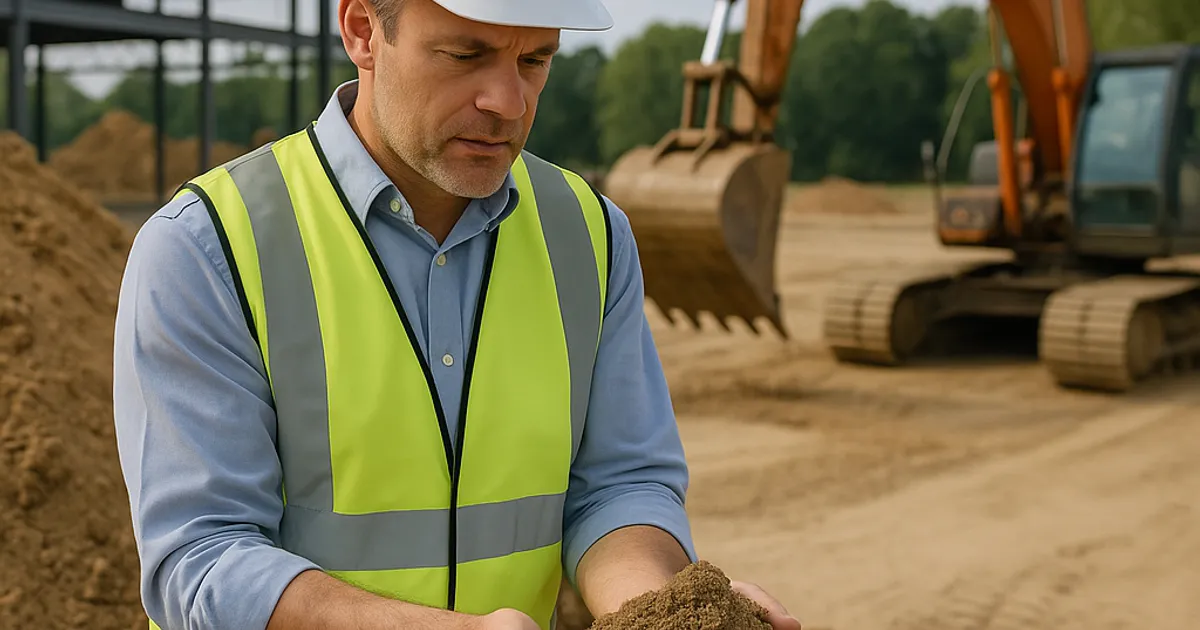

Ask any seasoned site contractor about surprise budget overruns, and dirt will almost always come up. Fill material — a substance literally pulled from the ground — somehow ends up costing thousands, sometimes tens of thousands, of dollars per project. In metropolitan areas like Los Angeles and Seattle, fill dirt prices have climbed steadily alongside fuel surcharges and urban disposal fees, leaving contractors scratching their heads over line items that used to be almost negligible.
But here's what most people outside the industry don't realize: an enormous volume of high-quality fill dirt is available for free or near-free every single day, generated as a byproduct of excavation, demolition, utility trenching, and grading work happening across every city in America. The problem isn't scarcity. The problem is connection — matching the people who have dirt with the people who need it, efficiently enough to make the economics work.
This guide is about solving that problem. We'll walk through the true cost drivers of fill dirt, how to evaluate material quality, the regulatory framework you need to understand, and the practical strategies that smart contractors are using right now to source affordable fill at scale — without compromising project quality or timeline.
The Real Cost of Fill Dirt: Breaking Down the Numbers
Before you can cut costs, you need to understand what you're actually paying for. The sticker price on fill dirt rarely reflects the full picture.
Purchase Price vs. Total Delivered Cost
Fill dirt itself, purchased from a quarry or soil supplier, typically runs between $5 and $30 per cubic yard depending on material type, quality, and regional market conditions. Clean structural fill in the Pacific Northwest might run $12–$18/CY, while caliche-heavy fill in the Southwest might be available for $4–$8/CY. Topsoil, often confused with fill dirt by homeowners, commands a significant premium at $20–$60/CY.
But the purchase price is often the smallest component of your total cost. Here's what the real math looks like on a typical 1,000-cubic-yard residential development fill project:
| Cost Component | Estimated Range | Notes |
|---|---|---|
| Material purchase | $5–$30/CY | Varies by region and type |
| Trucking/hauling | $8–$25/CY | Per load, 10–14 CY per truck |
| Fuel surcharges | $1–$5/CY | Market-variable |
| Broker/middleman fees | $2–$8/CY | If sourcing through aggregators |
| Placement & compaction | $3–$10/CY | Equipment and labor |
| Testing & certification | $500–$2,500 flat | Geotechnical inspection |
| Disposal fee (if exporting) | $10–$35/CY | Landfill tipping fees |
| Total (import scenario) | $19–$78/CY | Wide range based on distance |
For a 1,000-CY project, you're looking at a realistic range of $19,000 to $78,000 just for fill. That's a staggering range, and the spread is almost entirely explained by hauling distance and whether you're paying disposal fees or receiving material at no cost.
Why Hauling Distance Is the Dominant Variable
Trucking costs scale almost linearly with distance. A standard tandem-axle dump truck carries 10–14 cubic yards. At $85–$120 per hour for a truck and driver (2024 national average, per American Trucking Associations data), a 20-mile round trip might run $40–$60 per load — or roughly $3–$6/CY just in transport. Double the distance and you double that cost component.
This is why the most cost-effective fill dirt strategy always starts with geography: find the closest possible source. Every mile you shave off the haul route multiplies across dozens or hundreds of loads.
Understanding Dirt Quality: Not All Fill Is Created Equal
One of the most common and costly mistakes in fill procurement is prioritizing price over suitability. Accepting the wrong type of fill — even for free — can result in settlement issues, structural failures, and costly remediation that dwarfs any savings you captured upfront.
ASTM and DOT Classification Standards
Fill dirt is classified under several widely referenced standards. The ASTM D2487 Unified Soil Classification System (USCS) categorizes soils based on grain size, plasticity, and organic content. For structural fill applications, most engineers specify materials that fall into the SM (silty sand), SP (poorly graded sand), SW (well-graded sand), GM (silty gravel), or GW (well-graded gravel) categories.
State Department of Transportation specifications often define acceptable fill using plasticity index (PI) thresholds. California's Caltrans, for example, specifies structural backfill with PI ≤ 12 and liquid limit ≤ 35. Texas TxDOT's Item 132 (Embankment) restricts organic content to less than 2% by weight. Understanding these thresholds matters even on private projects because they reflect the geotechnical principles that prevent long-term settlement.
What to Test and When
For any project where fill will support structures, pavements, or utilities, geotechnical testing is non-negotiable. Standard tests include:
- Proctor compaction test (ASTM D698/D1557) — Establishes optimal moisture content and maximum dry density
- Atterberg limits (ASTM D4318) — Measures plasticity index and liquid limit
- Grain size analysis (ASTM D6913) — Verifies particle size distribution
- Organic content (ASTM D2974) — Screens out peat or highly organic material
For free or low-cost fill sourced from excavation sites, always request a material data sheet or conduct independent testing before committing to large volumes. A basic soil classification test package typically costs $150–$400 from a geotechnical lab — a small investment to avoid accepting 500 yards of expansive clay that will heave under your slab.
Red Flags to Watch For
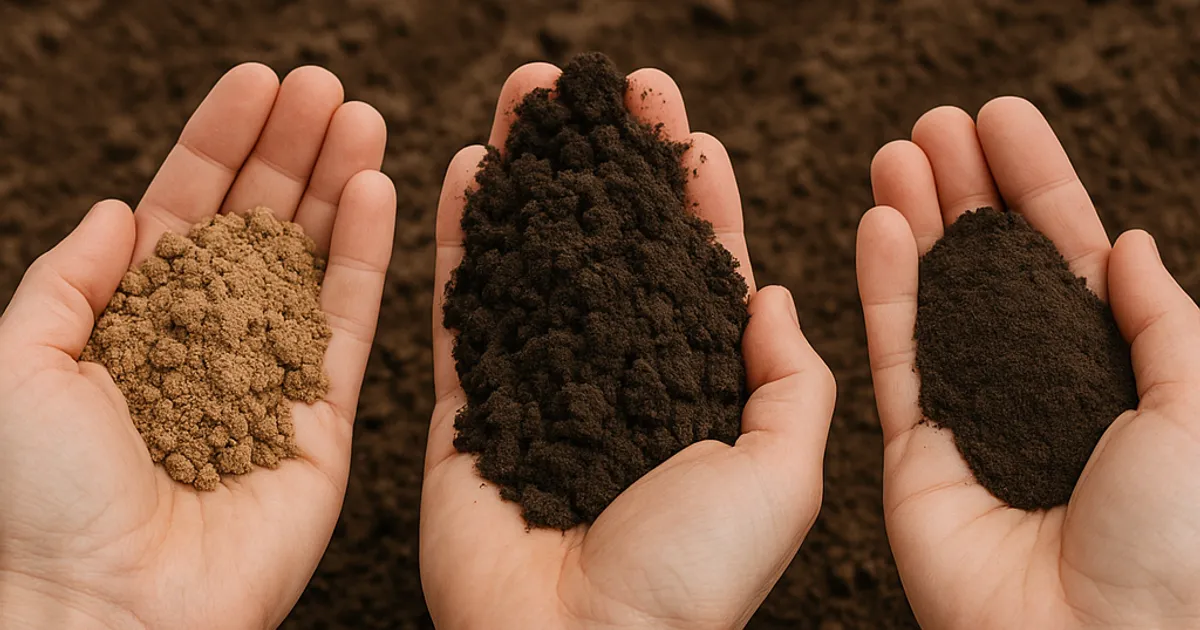
- Dark coloration or strong odor (indicates organic matter or contamination)
- Excessively sticky or plastic consistency when wet (high clay/PI)
- Visible debris, concrete fragments, or unknown fill mixed in
- Material originating from industrial sites without environmental clearance
- Extremely high moisture content with no drainage plan
The Hidden Economy of Surplus Excavation Material
Here's the economic reality that changes the entire conversation: every major construction project that excavates soil has to put that material somewhere. And in urban environments, disposal is expensive.
Excavation Surplus: A Daily Generator of Free Material
The U.S. Army Corps of Engineers estimates that construction and demolition activities generate over 500 million tons of excavated soil annually in the United States. A significant portion of this material — particularly clean structural fill from basement excavations, road cuts, and utility trenching — has no viable use at the source site and must be exported.
For the excavating contractor, dumping clean fill at a landfill can cost $10–$35 per cubic yard in tipping fees, plus trucking. This creates a powerful financial incentive to find alternative disposal: they will often give you their dirt for free — or even pay you a modest fee to accept it — if you can receive material efficiently and are located nearby.
This surplus economy operates informally in most markets, through word-of-mouth, Craigslist posts, and contractor relationships. The challenge is that these informal channels are slow, unreliable, and geographically limited. A contractor with 800 yards to move has maybe a week before they need the hole clear for the next trade. If they can't find a receiver fast, the dirt goes to the landfill.
Formalizing the Exchange: How Platforms Change the Math
This is precisely the inefficiency that digital matching platforms exist to solve. DirtMatch was built to connect contractors who have surplus excavation material with site owners and contractors who need fill — creating a two-sided marketplace where both parties benefit. Excavators avoid expensive disposal fees, and fill recipients source material at dramatically reduced cost.
The logistics math changes quickly when you eliminate both the material purchase price and the broker middleman. A project receiving 500 yards of free structural fill from an excavation site two miles away might spend only $4,000–$6,000 in trucking versus $15,000–$25,000 buying and hauling commercial fill from a quarry 25 miles out. That's a savings of $10,000–$20,000 on a single mid-size project.
Regional Cost Variations: Why Location Matters So Much
Fill dirt economics are intensely local. The same cubic yard of sandy loam might cost $6 in rural Texas and $28 in downtown San Francisco. Understanding regional dynamics helps you calibrate expectations and identify where the biggest savings opportunities exist.
High-Cost Urban Markets
In dense coastal cities, fill dirt costs are elevated by multiple compounding factors: high real estate values (making nearby sourcing difficult), stringent environmental regulations, traffic and permitting requirements for trucking, and intense competition for any available fill material. In markets like San Francisco, Boston, and Seattle, savvy contractors who establish relationships with excavation companies early in their projects consistently outperform those who try to source material at the last minute.
The dirt exchange in San Francisco market is particularly active given the volume of urban infill development and the high cost of conventional disposal — creating substantial opportunities for fill recipients who can move quickly and accept material efficiently.
Similarly, dirt exchange in Boston sees significant activity around infrastructure rehabilitation projects, basement excavations in historic neighborhoods, and waterfront development — all generating surplus material that would otherwise cost thousands to dispose of conventionally.
Mid-Size Growth Markets
Rapidly growing metros like Denver and Boulder present a different but equally compelling opportunity. Suburban expansion drives enormous volumes of excavation, particularly from residential subdivisions where builders routinely over-excavate for basements and foundations. In these markets, material availability can be high while trucking distances remain manageable.
For contractors working in Colorado's Front Range, exploring dirt exchange in Denver or dirt exchange in Boulder can connect them with subdivision contractors who need to export fill regularly — often making deals that include the material at no cost in exchange for reliable, scheduled pickup.
Southern California Dynamics
The Los Angeles basin and San Diego markets have unique characteristics driven by topography, fire-season restrictions on grading, and the sheer volume of construction activity. Compacted decomposed granite (DG) — a locally abundant material — is often available cheaply from hillside grading projects, while imported sandy fill for coastal projects can be expensive.
Contractors working in Southern California who understand dirt exchange in Los Angeles or dirt exchange in San Diego dynamics can often source DG fill for infrastructure projects at a fraction of commercial rates, especially during the winter grading season when site preparation work is at peak volume.
Environmental and Regulatory Considerations for Low-Cost Fill
The appeal of free or cheap fill can sometimes cloud judgment about compliance requirements. Understanding the regulatory framework protects your project and your license.
EPA and State Environmental Rules
The U.S. Environmental Protection Agency regulates the disposal and beneficial use of excavated soil through a combination of federal statutes (primarily RCRA and CERCLA) and delegated state programs. The critical distinction in fill reuse is between clean fill and potentially contaminated material.
Clean fill — defined as soil that has not been exposed to hazardous substances, petroleum products, or industrial processes — can typically be reused freely as fill material without triggering environmental review. However, fill originating from brownfield sites, former gas stations, dry cleaners, or industrial properties requires Phase I and potentially Phase II environmental assessment before reuse.
Most states have specific beneficial use regulations for excavated soil. California's Department of Toxic Substances Control (DTSC) has published guidance on soil reuse under the Excavated Soil Policy. Washington State's Model Toxics Control Act (MTCA) defines cleanup standards that affect whether excavated soil can be reused as fill. Texas has similar provisions under the Texas Risk Reduction Program (TRRP).
Wetlands and Waters of the U.S.
Section 404 of the Clean Water Act requires a permit from the Army Corps of Engineers before placing fill material in waters of the U.S., including many wetlands and intermittent streams. Violations can result in stop-work orders and restoration requirements that cost far more than the fill material ever would have. Always verify the presence of jurisdictional wetlands before accepting large fill deliveries to sites near water features.
Local Grading Permits
Most municipalities require grading permits for projects involving significant earthwork — thresholds commonly range from 50 to 200 cubic yards. These permits often require documentation of fill source, soil reports, and compaction testing by a licensed geotechnical engineer. Working within the permit system protects you from enforcement action and ensures your fill placement will pass final inspection.
Strategies for Sourcing Free and Low-Cost Fill Dirt
With regulatory context in place, let's get tactical. Here are the proven strategies that experienced earthwork contractors use to consistently source quality fill at minimal cost.
Strategy 1: Establish Relationships with Excavation Contractors
The most reliable source of free fill is a network of excavating contractors who trust you to receive material quickly and professionally. Attend local AGC chapter meetings, join your regional homebuilders association, and introduce yourself to excavation companies in your market. Position yourself as a reliable receiver — someone with a permitted site, clear trucking access, and the capacity to absorb material on short notice.
The key value you offer: reliability. An excavator with 600 yards to move in five days doesn't have time to vet strangers. If you've already established trust, you get the call first.
Strategy 2: Monitor Construction Projects in Your Area
Large excavation projects — commercial developments, highway projects, pipeline installations — are public record through building permits and environmental notices. Many jurisdictions post active permits online through their building department portals. Tracking these projects and reaching out to the general contractor early in the excavation phase puts you in position to negotiate fill receipt before they've committed to other disposal options.
Strategy 3: Use Digital Matching Platforms
The fastest-growing strategy for sourcing affordable fill is using purpose-built platforms that aggregate supply and demand in real time. Understanding how DirtMatch works makes the value proposition clear: contractors with surplus material post their available loads, while fill recipients post their needs — and the platform matches them based on material type, volume, location, and timing. This dramatically compresses the time it takes to find a match from days or weeks to hours, which is often the difference between a deal and a landfill run.
Strategy 4: Partner with Utility Companies
Municipal water, sewer, and gas utilities conduct continuous pipeline replacement and maintenance programs that generate enormous volumes of trench spoils. Much of this material — sandy loam, native soil — is perfectly suitable for non-structural fill applications. Utility contractors working on these programs often have blanket disposal agreements, but they're frequently open to relationships with landowners who can accept material during active project phases.
Strategy 5: Leverage Municipal Programs
Many cities and counties operate soil exchange programs through their public works or environmental services departments. These programs facilitate the transfer of clean excavated soil from public projects — road reconstruction, park development, stormwater management — to private recipients at no or low cost. Check with your local public works department and regional solid waste authority for active programs.
Strategy 6: Time Your Needs With Regional Construction Cycles
Fill availability peaks during construction season — spring through fall in most markets. In high-volume markets, competition for good free fill intensifies during these periods. Counter-intuitively, winter can be an excellent time to establish supply relationships when excavation contractors are eager to clear their books before year-end.
Find or Post Dirt, Rock & Aggregate
Join thousands of contractors using DirtMatch to buy, sell, and exchange earthwork materials.
Try DirtMatch FreeLogistics Optimization: Maximizing Value from Every Load
Even free dirt costs money to move. Smart logistics planning multiplies the value of low-cost material sourcing.
Staging and Storage
If your site has the space, staging incoming fill in a designated stockpile area allows you to receive material quickly (critical for the excavator's schedule) and process it for placement at your own pace. A well-organized staging area with clear truck access and adequate turning radius can allow you to receive 20–30 loads per day — a rate that makes you extremely attractive as a receiver to excavation contractors moving large volumes fast.
Load Optimization
Work with your trucking contractor to maximize payload on every load. The difference between a truck running at 85% payload and 100% payload is significant across 50 or 100 loads. Ensure material is loaded properly and moisture content is managed — excessively wet material is both heavier (reducing legal payload) and harder to place and compact.
Route Planning
For projects where you control trucking, invest time in route planning. Traffic, permit restrictions on truck routes, low clearance bridges, and school zone restrictions can all add time and cost to every load. A 15-minute reduction in round-trip time across 100 loads saves 25 hours of trucking cost — real money at $85–$120/hour.
Compaction Efficiency
Proper compaction of fill as it arrives — rather than allowing large stockpiles to accumulate and then rehandling — saves significant equipment time. Establish lift thickness and compaction protocols before material starts arriving, and keep compaction equipment on-site throughout the receipt phase.
Comparing Fill Dirt Cost Scenarios: A Practical Analysis
To make the cost savings concrete, here's a side-by-side comparison of four common fill procurement scenarios for a 2,000 cubic yard residential site fill project:
| Scenario | Material Cost | Trucking | Testing | Total | Per CY |
|---|---|---|---|---|---|
| Commercial quarry, 30 miles | $20,000 | $22,000 | $800 | $42,800 | $21.40 |
| Broker-sourced regional fill | $12,000 | $18,000 | $800 | $30,800 | $15.40 |
| Contractor network, 10 miles | $0 | $9,000 | $600 | $9,600 | $4.80 |
| Platform-matched local source, 5 miles | $0 | $5,000 | $600 | $5,600 | $2.80 |
The difference between the worst-case and best-case scenario on this single project is $37,200 — over 87% savings. Even moving from the broker scenario to a platform-matched local source saves over $25,000. These are not marginal improvements; they're budget-transforming outcomes that directly affect project profitability and competitiveness.
How to Evaluate and Vet a Fill Dirt Source
Not every "free" fill offer is actually a good deal. Here's a practical vetting framework to apply before committing.
Step 1: Request Source Documentation
Ask where the material is coming from and what it was used for previously. Request the property address so you can conduct a basic records search. Look up the site's history using your state environmental agency's database — most states maintain online databases of known contaminated sites, underground storage tanks, and hazardous waste facilities.
Step 2: Conduct a Visual and Olfactory Inspection
Visit the source site before accepting delivery if possible. Look for unusual coloration, oily sheen, concrete or debris mixed in, or any distinctive odor. Clean native fill should look and smell like dirt — no more, no less.
Step 3: Request a Sample for Testing
For any significant volume (more than 100 CY), request a representative sample for basic testing. Even a simple USDA-style texture test and pH check can screen out problematic material quickly. For larger volumes, a full geotechnical characterization is worth the investment.
Step 4: Confirm Volume and Schedule
Verify that the available volume matches your needs and that the delivery schedule aligns with your project timeline. Get commitments in writing — informal verbal agreements often fall apart when the excavator's schedule changes.
Step 5: Check for Permit Requirements
Confirm whether your receiving site requires a grading permit for the incoming volume, and if so, whether the fill source documentation satisfies permit requirements. Many jurisdictions require a soils report from a licensed geotechnical engineer for fill operations exceeding certain thresholds.
Building a Long-Term Dirt Cost Reduction Strategy
The contractors who consistently win on fill costs aren't finding one lucky deal — they're building systems that give them ongoing access to affordable material.
Develop a Preferred Supplier Network
Aim to have relationships with at least three to five excavating contractors in your market who can call you when they have surplus material. Nurture these relationships with professionalism, prompt payment for any agreed hauling costs, and reliable site access. The best deal in the dirt economy is one you don't have to negotiate — it just shows up because you're the first call.
Maintain a Ready-to-Receive Site
Having a permitted, accessible staging area transforms you into a premium fill receiver. If you can consistently accept 500–1,000 yards with 24 hours' notice, you'll never pay commercial fill prices again. This could be a portion of a project site, a privately owned parcel, or a formal staging yard if your volume warrants the investment.
Use Technology to Stay Competitive
The fill dirt market is becoming increasingly digital. Contractors who adopt matching platforms early build advantages in their local markets — more connections, better match history, and faster response times than competitors still relying on phone calls and Craigslist.
If you're ready to start saving on fill costs today, get started with DirtMatch to access a network of contractors actively posting surplus material and fill needs in your area. Whether you're a small residential grader or a large commercial earthwork operation, the platform scales to your needs and can dramatically compress the time and cost of fill procurement.
Track Your Cost Savings
Start tracking what you actually pay per cubic yard of fill across all sources — commercial, network, and platform-matched. This data helps you quantify your savings, justify time invested in relationship-building, and identify opportunities to improve your logistics further. Contractors who track this consistently are often surprised by how much they've improved year-over-year once they've built a disciplined sourcing strategy.
The Environmental Case for Fill Dirt Exchange
Beyond the financial argument, there's a compelling environmental case for improving the efficiency of fill dirt exchange — one that's increasingly relevant as sustainability requirements enter more project specifications.
Reducing Landfill Burden
Construction and demolition waste — including excavated soil — accounts for approximately 40% of total solid waste generated in the United States, according to the EPA's sustainable materials management data. When clean fill dirt ends up in a landfill, it consumes valuable disposal capacity that communities need for non-recyclable waste, while also contributing to unnecessary truck miles and carbon emissions.
Every cubic yard of fill that moves from an excavation site to a fill need site instead of a landfill represents a genuine environmental benefit: reduced landfill burden, lower emissions from shorter hauling distances, and conservation of quarried materials that would otherwise need to be extracted.
LEED and Sustainability Credits
For projects pursuing LEED certification, the use of regionally sourced fill material and diversion of excavated soil from landfill disposal can contribute to materials credits under LEED BD+C. Specifically, the Material Resources credit category rewards projects that demonstrate construction waste diversion, including clean excavated soil. Documenting the source and chain of custody for your fill material is increasingly valuable not just for compliance but for marketing purposes.
Carbon Footprint of Dirt Hauling
A standard diesel dump truck generates approximately 0.35–0.45 kg of CO₂ per mile under loaded conditions. For a project requiring 100 truckloads over a 40-mile round trip, that's 4,000 truck-miles and roughly 1,400–1,800 kg of CO₂ — just from fill hauling. Cutting that haul distance in half through local sourcing doesn't just save money; it cuts the project's transport carbon footprint by 50%. As carbon accounting becomes more prevalent in construction project reporting, these numbers will increasingly appear in project documentation.
The Future of Fill Dirt Pricing: Trends to Watch
Several macro trends are reshaping the economics of fill dirt over the next decade.
Diesel Price Volatility
Trucking costs are the dominant variable in fill dirt delivered cost, and they're tied directly to diesel fuel prices. The EIA's 2024 Short-Term Energy Outlook projects continued volatility in distillate fuel prices, driven by refinery capacity, geopolitical factors, and demand from competing sectors. Contractors who reduce their dependence on long-haul trucking through local sourcing are effectively hedging against fuel price risk.
Increasing Landfill Tipping Fees
Landfill tipping fees have increased at an average rate of 3–5% per year nationally over the past decade, driven by permit capacity constraints, NIMBY opposition to new landfill siting, and operational cost inflation. Higher disposal fees make it even more valuable to be a reliable fill receiver — excavators will pay more to avoid the landfill, and some are already paying modest acceptance fees to preferred receivers.
Digital Marketplace Maturation
As platforms like DirtMatch mature and gain adoption, the fill dirt market will become increasingly efficient and price-transparent. This is good news for buyers who currently overpay due to information asymmetry, and it rewards contractors who build networks and reputations within these platforms early.
Regulatory Scrutiny of Soil Reuse
State environmental agencies are increasing oversight of beneficial soil reuse as part of broader efforts to prevent illegal dumping and brownfield contamination spread. This is creating a compliance premium for documented, properly vetted fill exchanges — another reason to use platforms that maintain source and destination records.
Conclusion: The Smart Contractor's Approach to Fill Economics
Dirt doesn't have to be expensive. The abundance is real — hundreds of millions of cubic yards of clean, usable fill material are generated every year as a byproduct of construction activity across the United States. The challenge has never been scarcity; it's been connection, trust, and logistics.
By understanding the true cost drivers of fill procurement, building relationships with reliable material sources, applying proper vetting and compliance protocols, and using modern matching platforms to accelerate market access, contractors and project owners can consistently source fill at a fraction of conventional commercial rates — without sacrificing quality, schedule, or regulatory compliance.
The math is compelling regardless of project scale. Whether you're moving 200 yards for a residential site or 20,000 yards for a commercial development, the strategies in this guide can reduce your fill costs by 50–80% on individual projects, and even more over time as you build the networks and systems that give you consistent access to affordable material.
The dirt economy rewards preparation, professionalism, and speed. Build those capabilities now, and affordable fill abundance becomes a competitive advantage rather than a lucky break.
For more on how the platform works and how to connect with fill sources near you, explore DirtMatch or visit our frequently asked questions page for detailed guidance on getting started.