Sourceing clean fill dirt sounds straightforward enough—until you're knee-deep in phone calls, trucking quotes, and soil test results wondering why something that seems so abundant is so hard to find at the right price and quality. For earthwork contractors, site developers, and project managers, locating verified clean fill dirt near a construction site is a recurring logistical challenge that directly impacts project timelines and bottom lines.
In the United States alone, the construction industry moves an estimated 2.5 billion cubic yards of earthwork material annually. Yet despite this staggering volume, mismatches between supply and demand remain common—excavators sitting on surplus dirt they can't move, while builders miles away are paying premium hauling rates for material from distant quarries or pits. The inefficiency is systemic, and it costs the industry billions in unnecessary transportation expenses each year.
This guide is designed to change that equation for your next project. From understanding what qualifies as "clean" fill, to navigating environmental regulations, testing requirements, and modern sourcing platforms, you'll leave with a clear, actionable roadmap for finding the construction fill you need—close to where you need it.
What Is Clean Fill Dirt? Defining the Standard
Before you can source clean fill dirt, you need a firm understanding of what the term actually means—because it's not as simple as dirt that looks tidy.
The Technical Definition
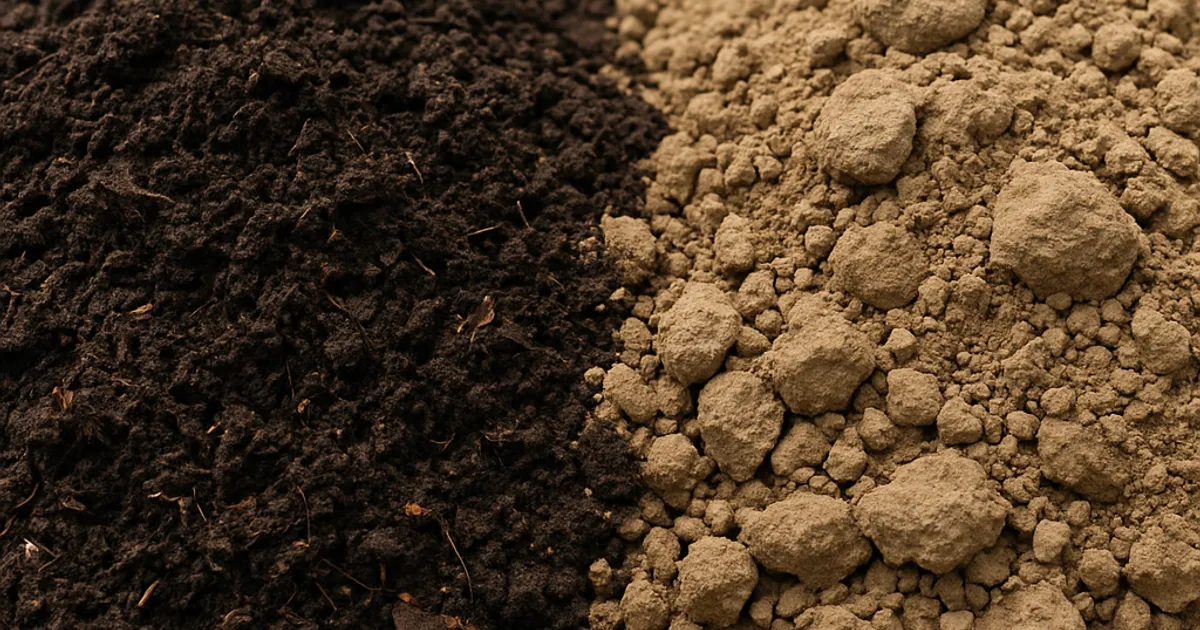
"Clean fill" refers to uncontaminated soil and earthen material that is free from hazardous substances, organic debris, construction waste, and other deleterious matter. The U.S. Environmental Protection Agency (EPA) distinguishes clean fill from regulated solid waste, but this exemption only applies when the material is genuinely uncontaminated and used beneficially for grading, filling, or land reclamation purposes.
In practical terms, clean fill dirt typically includes:
- Native subsoil (below the topsoil layer, usually free of organic matter)
- Sandy loam or clay subsoil with consistent compaction characteristics
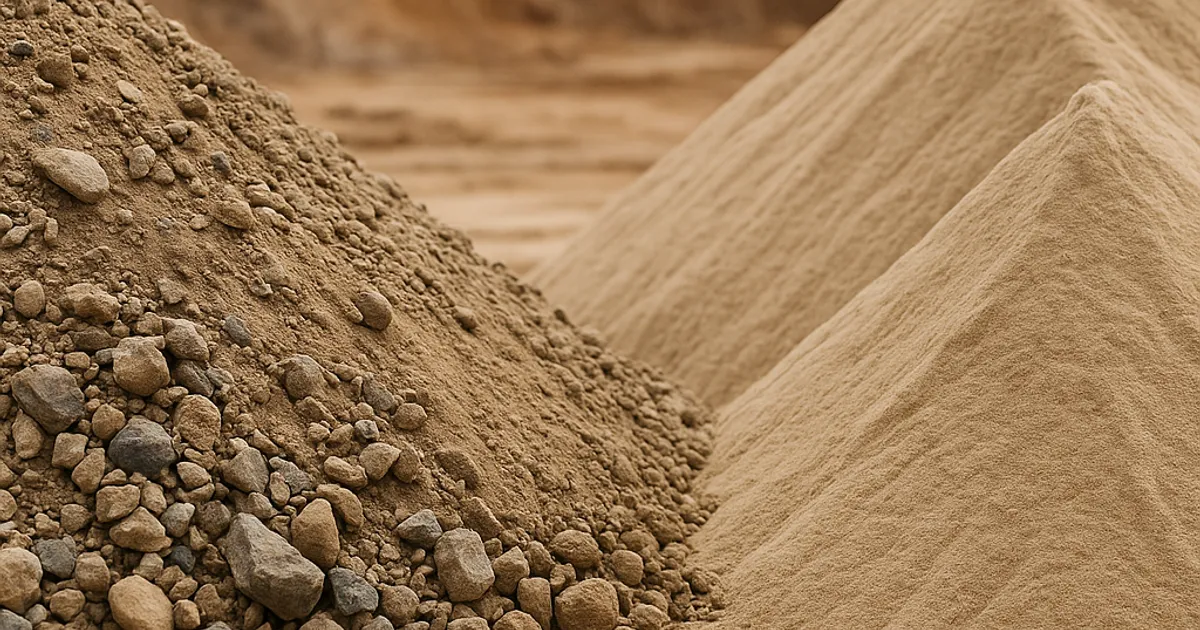
- Crushed rock, gravel, and aggregate meeting project specifications
- Decomposed granite in certain arid regions
What clean fill does not include:
- Topsoil with high organic content (which causes settlement)
- Soil contaminated with petroleum products, heavy metals, or solvents
- Construction and demolition debris (bricks, concrete chunks, wood)
- Material containing asbestos, lead paint, or other hazardous substances
- Trash, vegetation, or putrescible waste
Why the Distinction Matters
Using improperly classified fill dirt can expose project owners and contractors to serious liability. Under the Resource Conservation and Recovery Act (RCRA), using contaminated material as fill can trigger remediation obligations and civil penalties. State environmental agencies frequently require documentation proving fill material's origin and cleanliness before approving its use on permitted sites.
Beyond regulatory risk, using dirty fill creates structural problems. Organic matter decomposes over time, causing differential settlement that can crack foundations, damage utilities, and require expensive remediation. A 2018 study from the University of Wisconsin-Madison's Geological Engineering Department found that projects using unverified fill material were 3.4 times more likely to experience post-construction settlement issues within the first five years.
ASTM Standards for Fill Material
The American Society for Testing and Materials (ASTM) publishes several key standards relevant to fill dirt selection and compaction:
- ASTM D698 – Standard test method for laboratory compaction characteristics (Standard Proctor Test)
- ASTM D1557 – Modified Proctor compaction test for higher-energy compaction specs
- ASTM D2487 – Unified Soil Classification System (USCS), used to classify soil types
- ASTM D4318 – Tests for liquid and plastic limits (Atterberg limits) that indicate shrink-swell potential
Knowing which ASTM standards your project specifications require will directly inform what kind of fill material you need to source.
Why Proximity Matters: The Hidden Cost of Hauling Fill Dirt
One of the most underestimated variables in earthwork budgeting is hauling distance. Fill dirt itself is often inexpensive—or even free—but transportation costs can quickly dwarf the material cost itself.
Breaking Down Trucking Economics
A standard tandem-axle dump truck carries approximately 10–14 cubic yards of fill dirt per load. At current diesel prices and driver wage rates, expect to pay:
| Hauling Distance | Cost Per Cubic Yard (Transport Only) |
|---|---|
| 0–5 miles | $2–$5 |
| 5–15 miles | $5–$12 |
| 15–30 miles | $12–$22 |
| 30–50 miles | $20–$35 |
| 50+ miles | $35–$60+ |
Note: Costs vary significantly by region, fuel prices, and local labor markets. Always obtain multiple quotes.
For a modest residential project requiring 500 cubic yards of fill, the difference between sourcing material 5 miles away versus 40 miles away can represent a $7,500–$15,000 swing in transportation costs alone—before accounting for material pricing.
The Environmental Impact of Long Hauls
Beyond cost, long hauling distances carry a significant carbon footprint. Each loaded dump truck round-trip of 50 miles generates roughly 35–45 pounds of CO₂. For large commercial projects requiring tens of thousands of cubic yards, sourcing locally isn't just financially smart—it's increasingly a requirement under green building certifications like LEED v4, which awards points for regional material sourcing within a 100-mile radius.
Platforms like DirtMatch are specifically designed to solve this proximity problem, connecting contractors and developers with verified fill dirt sources as close to their job site as possible. By matching projects that need fill with nearby excavation projects that have surplus material, DirtMatch reduces average hauling distances and the costs that come with them.
Top Sources for Clean Fill Dirt Near Construction Sites
Knowing where to look is half the battle. Clean fill dirt doesn't come from a single source—there are multiple channels, each with their own advantages and trade-offs.
1. Excavation Contractors with Surplus Material
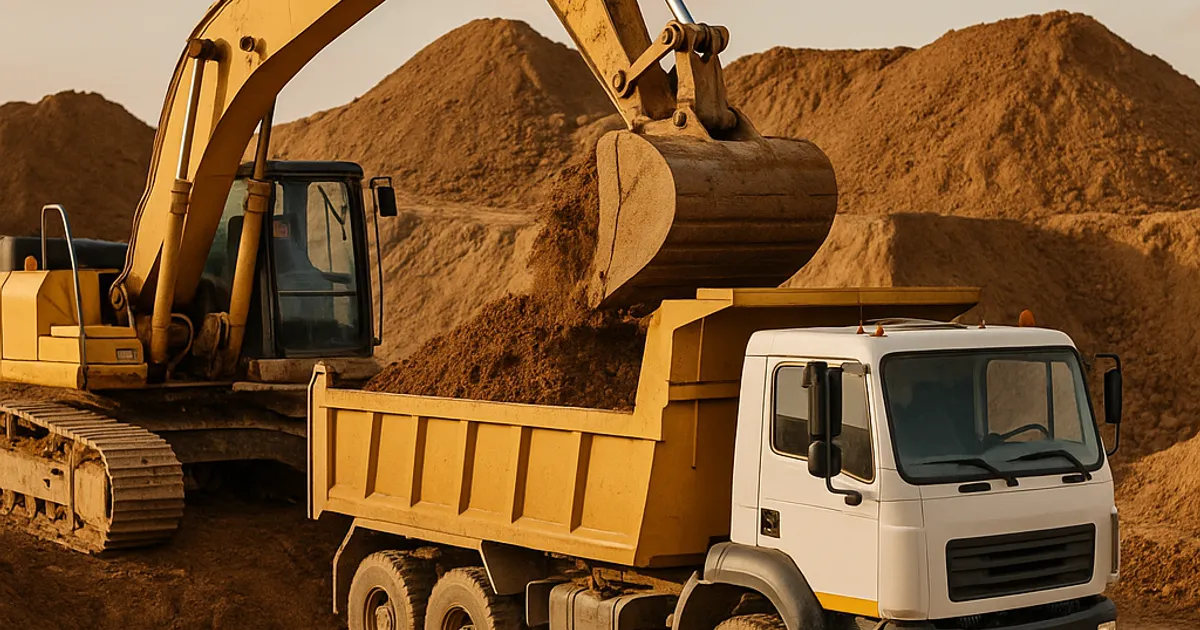
The most cost-effective source of clean fill is often another contractor who is actively excavating and needs to dispose of their spoils. Basement digs, utility trenching, road widening projects, and site grading all generate substantial volumes of excavated soil that contractors typically pay to haul away.
Reaching out directly to active excavation firms in your area can yield free or very low-cost fill—you simply pay the trucking. The challenge is timing and coordination; surplus dirt from an excavation project is available in a narrow window and in quantities that may not align exactly with your needs.
2. Quarries, Sand and Gravel Pits, and Aggregate Suppliers
Commercial quarries and aggregate pits are reliable sources of screened, tested fill material. These suppliers typically offer:
- Bank-run gravel: Unprocessed material directly from the pit, economical for bulk fills
- Structural fill: Processed and graded to specific compaction standards
- Crushed stone base: Ideal for sub-base applications under pavements
Prices at commercial pits typically range from $5–$20 per cubic yard for the material itself, plus delivery. Always request a material data sheet (MDS) confirming the material's gradation and soil classification.
3. Road and Highway Construction Projects
Department of Transportation (DOT) road projects regularly generate massive volumes of excavated material. In many states, DOT contractors are required to find beneficial reuse for excavated material rather than disposing of it in landfills. Contact your state DOT's district office or the prime contractor on large nearby road projects—they may be willing to deliver fill at little or no cost.
4. Demolition Sites
Building demolitions that involve basement removal or site clearing produce significant earthwork material. However, exercise caution: demolition sites carry elevated risk of contaminated soil, particularly from underground storage tanks, industrial uses, or older buildings with lead paint or asbestos. Always require Phase I and potentially Phase II Environmental Site Assessment (ESA) documentation before accepting fill from demolition sites.
5. Municipal and Government Fill Programs
Many municipalities maintain fill programs where they make excavated material from public works projects (water main replacements, storm sewer installations, park renovations) available to local contractors at no or minimal cost. Check with your local public works department, city engineering office, or county road commission.
6. Digital Matching Platforms
The most efficient modern approach combines all the above sources through digital platforms that aggregate available fill dirt from active excavation projects, quarries, and surplus material holders. Understanding how DirtMatch works reveals a straightforward approach: projects with surplus dirt are listed alongside projects seeking fill, and the platform matches them based on material type, quantity, location, and timing—dramatically reducing the search time and phone tag traditionally required to source fill dirt.
How to Evaluate Fill Dirt Quality Before Accepting Delivery
Accepting fill dirt without proper vetting is one of the most common and costly mistakes in earthwork. A rigorous evaluation process protects you from structural failures, regulatory violations, and project delays.
Visual Inspection Protocols
While visual inspection alone is insufficient for regulatory compliance, it's a critical first step. Train your team to look for:
- Color uniformity: Natural subsoil tends to be consistent in color. Mottled brown-black streaking may indicate organic contamination or petroleum products.
- Debris presence: Look carefully for concrete chunks, wood fragments, metal, glass, or plastic—signs the material may have been sourced from a demolition or mixed fill situation.
- Odor: Petroleum contamination, industrial chemicals, and biological decomposition all have distinct odors. Trust your nose—if something smells wrong, reject the load.
- Texture consistency: Structural fill should have consistent particle size. Unusually fine, dusty material or highly plastic clay may not compact properly.
Soil Testing Requirements
For any project beyond minor landscaping grading, laboratory soil testing is essential. The core battery of tests for fill acceptance includes:
| Test | ASTM Standard | Purpose |
|---|---|---|
| Grain size analysis | D422 / D6913 | Determines particle distribution |
| Atterberg limits | D4318 | Measures plasticity/shrink-swell potential |
| Standard Proctor | D698 | Establishes maximum dry density and optimum moisture |
| Modified Proctor | D1557 | Higher-energy compaction for structural fills |
| Organic content | D2974 | Quantifies organic matter percentage |
| pH testing | D4972 | Checks for acidic or alkaline anomalies |
Most geotechnical laboratories charge $50–$200 per test, with full fill acceptance test packages running $300–$800. This investment is trivial compared to the cost of remediating a failed fill placement.
Environmental Screening for Contamination
For fill coming from unknown or potentially impacted sources, environmental screening is non-negotiable. Basic screening options include:
- XRF (X-ray fluorescence) field screening: Portable analyzers can detect heavy metals (lead, arsenic, chromium) in minutes, on-site. Units are available for rent at approximately $200–$400/day.
- PID (photoionization detector) screening: Detects volatile organic compounds (VOCs) including petroleum hydrocarbons. Essential when fill comes from sites with historical fuel storage.
- Laboratory chemical analysis: Full USEPA Method 8260 (VOCs) and 8270 (semi-VOCs) analysis for sites with known contamination history. Results take 5–14 days and cost $300–$1,500 per sample set.
Many states publish fill acceptance criteria specifying maximum allowable concentrations of common contaminants. The EPA's Regional Screening Levels (RSLs) provide a useful federal reference, though state-specific tables often apply.
Navigating Environmental Regulations for Fill Dirt
The regulatory landscape for fill dirt varies significantly by state, but several federal frameworks create a baseline that every contractor should understand.
Federal Regulatory Framework
At the federal level, fill dirt is primarily regulated under:
- RCRA Subtitle D: Governs non-hazardous solid waste, including the "clean fill exemption" that allows uncontaminated soil to be used as fill without triggering solid waste permitting—but only if it's genuinely clean.
- Clean Water Act Section 404: If fill placement involves wetlands or waters of the United States, a 404 permit from the U.S. Army Corps of Engineers is required. Placing fill in jurisdictional wetlands without a permit carries penalties up to $25,000 per day.
- CERCLA (Superfund): Accepting contaminated fill and incorporating it into your site can create liability under Superfund, potentially making you a "potentially responsible party" (PRP) for future cleanup costs.
State-Level Fill Regulations
State environmental agencies typically have more detailed fill acceptance regulations than federal requirements. Key states with robust fill material programs include:
- California: The DTSC (Department of Toxic Substances Control) maintains strict fill acceptance criteria, particularly for urban infill projects.
- New York: DEC regulations require Soil Cleanup Objectives (SCOs) compliance for unrestricted fill placement.
- New Jersey: The DEP's SRWQC (Soil Remediation Water Quality Criteria) standards are among the most protective in the nation.
- Washington: Ecology Department's Model Toxics Control Act (MTCA) establishes cleanup levels that inform fill acceptance decisions.
Always consult your state environmental agency's guidance documents before accepting fill from off-site sources for any project that involves regulatory oversight.
Documentation Best Practices
Protect yourself and your project with a robust paper trail:
- Bill of Lading for each load: Identifies source location, material description, hauler, and volume
- Material origin certification: Written statement from the fill provider certifying the material's source and that no hazardous materials are present
- Soil test results: Laboratory reports linked to specific source locations
- Photos: Document each delivery visually, timestamped
- Fill acceptance log: Running record of all delivered loads with the above information
The Role of Geotechnical Engineering in Fill Projects
For any structural fill application—foundations, roadways, retaining wall backfill, or embankments—engaging a geotechnical engineer is not optional. It's a project-critical investment that protects every stakeholder.
What a Geotechnical Engineer Does for Fill Projects
A licensed geotechnical engineer (PE) will:
- Characterize the existing subgrade: Before placing fill, the existing ground conditions must be understood. Soft, organic, or otherwise unsuitable subgrade must be addressed or the fill above it will fail regardless of quality.
- Develop fill placement specifications: Including lift thickness (typically 6–12 inches per compacted lift), compaction targets (usually 90–98% of Standard or Modified Proctor maximum dry density), and acceptable moisture ranges.
- Specify acceptable fill materials: Based on the project's structural requirements, the engineer defines gradation limits, plasticity index (PI) limits, and maximum allowable organic content.
- Provide construction observation: Geotechnical engineers or their technicians perform in-place density testing using nuclear density gauges (ASTM D2922) or sand cone tests (ASTM D1556) to verify that compaction specifications are met.
Typical Geotechnical Engineering Costs
| Service | Typical Cost Range |
|---|---|
| Geotechnical investigation and report | $3,000–$15,000 |
| Fill specification development | Included in report or $1,500–$5,000 |
| Construction observation (per day) | $800–$2,000 |
| Compaction testing (per test) | $75–$200 |
| Final compaction certification letter | $500–$1,500 |
For large commercial projects, geotechnical services can run $30,000–$100,000+ but represent a small fraction of total project cost and provide essential liability protection.
Find or Post Dirt, Rock & Aggregate
Join thousands of contractors using DirtMatch to buy, sell, and exchange earthwork materials.
Try DirtMatch FreePricing Guide: What Does Clean Fill Dirt Actually Cost?
Understanding the true cost of clean fill dirt requires disaggregating several components that are often bundled or hidden in quotes.
Material Cost vs. Total Delivered Cost
Material Cost (at the source):
| Material Type | Cost Per Cubic Yard (At Source) |
|---|---|
| Free surplus fill (from excavations) | $0 |
| Bank-run fill from pit | $3–$10 |
| Screened structural fill | $8–$20 |
| Imported granular fill (gravel) | $15–$35 |
| Engineered fill (compacted gravel base) | $25–$50 |
Transportation Cost: As detailed earlier, transport adds $2–$60+ per cubic yard depending on distance.
Placement and Compaction Cost: Once delivered, fill must be spread and compacted. Expect $3–$8 per cubic yard for dozer spreading and $2–$5 per cubic yard for compaction with a vibratory roller—plus the cost of water for moisture conditioning if the fill is too dry.
Total Installed Cost (All-In):
| Scenario | Total Installed Cost Per CY |
|---|---|
| Free local fill, self-haul, small project | $8–$18 |
| Purchased fill, short haul (< 10 mi) | $15–$35 |
| Purchased fill, medium haul (10–30 mi) | $28–$55 |
| Purchased fill, long haul (30–50 mi) | $45–$80 |
| Premium engineered fill, any distance | $50–$120+ |
Regional Cost Variations
Costs vary dramatically by region. Urban markets with high land values and active construction—like the dirt exchange in San Francisco or dirt exchange in Boston—typically see higher transportation costs due to congestion and distance from natural material sources, making nearby surplus fill even more valuable. Conversely, markets in the Mountain West—such as the dirt exchange in Denver or dirt exchange in Boulder—often have abundant access to nearby aggregate pits and quarries that moderate costs.
Step-by-Step Process: How to Source Clean Fill Dirt for Your Project
With the foundational knowledge in place, here's a practical, sequential process for sourcing clean fill dirt efficiently.
Step 1: Quantify Your Fill Requirements
Before reaching out to any supplier, you need precise volume calculations:
- Work with your project plans and survey data to calculate net fill volume in cubic yards
- Apply a shrinkage/swell factor: loose soil compacts when placed, so you typically need 1.15–1.35 cubic yards of loose material to produce 1 compacted cubic yard, depending on soil type
- Factor in a 10–15% buffer for over-excavation, waste, and unexpected conditions
Step 2: Define Your Material Specification
Working from your project's geotechnical report or engineering drawings, document:
- Acceptable USCS soil classifications (e.g., SP, SM, SC-SM, GW, GM)
- Maximum plasticity index (commonly PI < 15 for structural fill)
- Maximum organic content (typically < 3–5%)
- Required compaction standard (ASTM D698 or D1557) and target density (%)
- Maximum particle size (often 3 inches for standard fills, 6 inches for coarser fills)
Step 3: Identify Potential Sources
Using the source categories outlined earlier, develop a list of potential suppliers:
- Search online directories for local quarries and aggregate suppliers
- Contact local excavation contractors and ask about upcoming projects with surplus material
- Check with municipal public works departments
- Register on digital matching platforms to access a broader network of available materials
Step 4: Request Quotes and Material Documentation
For each potential source:
- Request material pricing per cubic yard (at source and delivered)
- Ask for existing soil test data for the source material
- Request a material origin certification
- Get transportation quotes from multiple haulers
Step 5: Screen and Test Material
- Conduct visual screening of the source material in person if possible
- Submit representative samples to a certified geotechnical laboratory
- For unknown sources, conduct environmental screening before committing to a large quantity
Step 6: Execute Contracts and Schedule Delivery
- Formalize agreements with both material suppliers and haulers
- Coordinate delivery scheduling with your compaction crew
- Arrange for on-site geotechnical observation if required by your specifications or permit
Step 7: Document Everything
- Maintain a fill acceptance log from day one
- Retain all Bills of Lading, soil test results, and origin certifications in your project file
- Confirm compaction results with field density testing at the required frequency
Using Digital Platforms and Technology to Find Fill Dirt Faster
The traditional approach to sourcing fill dirt—phone calls, personal networks, and luck—is giving way to data-driven digital platforms that dramatically accelerate the matching process.
How Dirt Matching Technology Works
Modern earthwork matching platforms use location data, material specifications, and project timelines to connect supply and demand across regional markets. Instead of calling twenty contractors to find one with surplus material that fits your specs, a matching algorithm surfaces relevant options instantly.
Key features to look for in a fill dirt matching platform:
- Geographic filtering: Identify sources within a user-defined radius of your job site
- Material classification: Filter by soil type, gradation, and compaction characteristics
- Volume matching: Ensure the available quantity aligns with your need
- Verified listings: Platforms that verify material origin and condition reduce screening time
- Timeline coordination: Availability windows aligned to your project schedule
DirtMatch brings all of these capabilities together in a platform purpose-built for the earthwork industry. Contractors and developers can list projects needing fill or surplus dirt available, and the system creates matches based on location proximity, material type, and project timing. For contractors managing multiple simultaneous projects, DirtMatch Pro provides enhanced tools for managing large-scale material flows across a project portfolio.
The Cost Savings Case for Digital Matching
The financial case for using a matching platform is compelling. Consider a mid-size earthwork contractor managing 8–12 active projects annually:
- Average fill requirement per project: 2,000 CY
- Average search time using traditional methods: 12–20 hours per project
- Average hauling distance using traditional methods: 28 miles
- Average hauling distance using matching platform: 11 miles
- Transportation cost savings: ~$15–$20 per CY × 2,000 CY = $30,000–$40,000 per project
Across a full year's project portfolio, the savings can be transformative—funding equipment, staffing, or expanded project capacity.
Regional Market Examples
In high-demand urban markets, the matching advantage is even more pronounced. The dirt exchange in Los Angeles and dirt exchange in Seattle markets, for example, see enormous volumes of excavation from infill development—but without a coordinated matching system, that material often travels 40–60 miles to disposal sites while nearby builders import fill from distant quarries. Digital matching collapses that inefficiency and keeps material moving locally.
Common Mistakes to Avoid When Sourcing Fill Dirt
Even experienced contractors make costly errors when sourcing fill. Awareness is the first line of defense.
Mistake 1: Accepting Free Fill Without Testing
"Free" fill that turns out to be contaminated can cost tens or hundreds of thousands of dollars to remove and remediate. The word "free" in front of "fill dirt" should trigger, not suppress, your screening instincts.
Mistake 2: Underestimating Volume Needs
Running short of fill material mid-project is an expensive problem. Your supplier may no longer have material available, forcing you to source from a new (potentially more distant) supplier under time pressure. Always add a buffer to your volume estimate.
Mistake 3: Ignoring Compaction Specifications
Even clean, high-quality fill material will fail structurally if not placed and compacted properly. Lift thickness, moisture content, and compaction equipment selection all matter. Don't let scheduling pressure push you to skip proper compaction verification.
Mistake 4: Failing to Check Wetland and Floodplain Status
Before placing fill, verify that the fill area is not in a jurisdictional wetland, floodplain, or other regulated zone. The U.S. Army Corps of Engineers' Regulatory Program administers Section 404 permits, and FEMA's Flood Map Service Center provides floodplain mapping resources.
Mistake 5: Not Getting Multiple Transportation Quotes
Hauling is often the largest cost component for fill projects. Getting at least three competitive quotes for transportation can reduce costs by 20–35%. Local owner-operators often beat large trucking companies on price for shorter hauls.
Mistake 6: Poor Documentation of Fill Source
In the event of a future dispute—structural failure, environmental complaint, or regulatory inquiry—your fill documentation is your primary defense. Treat every delivery as a potential exhibit in a future legal proceeding, and document accordingly.
Special Considerations for Urban and Infill Construction Projects
Urban construction sites face unique challenges in sourcing fill dirt that rural or suburban projects don't encounter.
Space Constraints and Staging Limitations
Urban sites often have minimal space for material staging. Fill dirt may need to be delivered in smaller, more frequent loads rather than bulk quantities, which increases per-unit transportation cost. Coordinate closely with your hauler to implement a just-in-time delivery schedule that keeps the site moving without creating overflow storage problems.
Underground Contamination Risks
Urban sites frequently sit on land with historical industrial or commercial use. The probability of encountering contaminated soil—and the risk that nearby fill sources are similarly impacted—is meaningfully higher in urban settings. Budget for more thorough environmental screening and consider retaining an environmental consultant for projects in historically industrial areas.
Traffic and Delivery Window Restrictions
Many urban jurisdictions restrict truck deliveries to certain hours or routes. In cities like San Francisco, Boston, and Seattle, truck delivery permits, restrictions on idling, and noise ordinances can add logistical complexity. Factor these constraints into your delivery scheduling and hauling cost estimates.
Sustainability and LEED Certification Requirements
Urban commercial and mixed-use projects increasingly pursue LEED or WELL Building certifications. As noted earlier, LEED v4 awards credits for regional material sourcing. If your project has sustainability goals, prioritize fill sources within the 100-mile radius specified in LEED credit requirements—another reason proximity matters. The U.S. Green Building Council's LEED reference guide provides detailed guidance on regional material credit documentation requirements.
Building Long-Term Relationships with Fill Dirt Suppliers
For contractors who regularly need fill dirt across multiple projects, building a network of reliable, tested suppliers is a significant competitive advantage.
Establishing Preferred Supplier Relationships
Approach fill dirt sourcing the way you'd approach any key subcontractor relationship:
- Pre-qualify suppliers in advance of specific project needs, when there's no time pressure
- Negotiate framework agreements with quarries and aggregate pits that establish pricing, documentation requirements, and quality standards upfront
- Provide reliable volume commitments when possible—suppliers reward predictability with better pricing and priority service
- Pay promptly—this is consistently the fastest way to become a preferred customer
Leveraging Contractor Networks
Join regional contractor associations and attend industry events to expand your personal network of contractors who may have surplus material on future projects. The Associated General Contractors of America (AGC) has local chapters across the country that facilitate exactly this kind of peer networking. Similarly, getting started with DirtMatch puts your project needs in front of a curated network of contractors across your region who are actively looking to exchange earthwork materials.
Creating Your Own Fill Surplus
Finally, if your business involves significant excavation work, consider your own projects as a fill supply source for others. Surplus material that you'd otherwise pay to haul to disposal can be offered through matching platforms—turning a cost center into a revenue opportunity or goodwill with neighboring contractors. This circular approach to earthwork logistics is exactly the model that makes regional construction markets more efficient and more sustainable.
Conclusion: Smart Sourcing Starts Before You Break Ground
Finding clean fill dirt near your construction site is a challenge that rewards preparation, knowledge, and the right tools. The contractors who consistently source high-quality fill at competitive prices aren't lucky—they're systematic. They quantify their needs before they need them, they understand what they're looking for and why it matters, they test and document rigorously, and they build relationships with suppliers and platforms that give them access to material others don't know about.
The earthwork industry is moving toward greater efficiency and transparency, with digital platforms, better testing technology, and more robust regulatory frameworks all pushing in the same direction. Contractors who embrace these tools—and understand the regulatory and structural fundamentals of clean fill—will have a decisive advantage as project complexity and sustainability requirements continue to increase.
Whether you're sourcing fill for a backyard grading project or a multi-phase commercial development, the principles are the same: know your material, know your source, test before you trust, document everything, and keep material moving locally whenever possible.