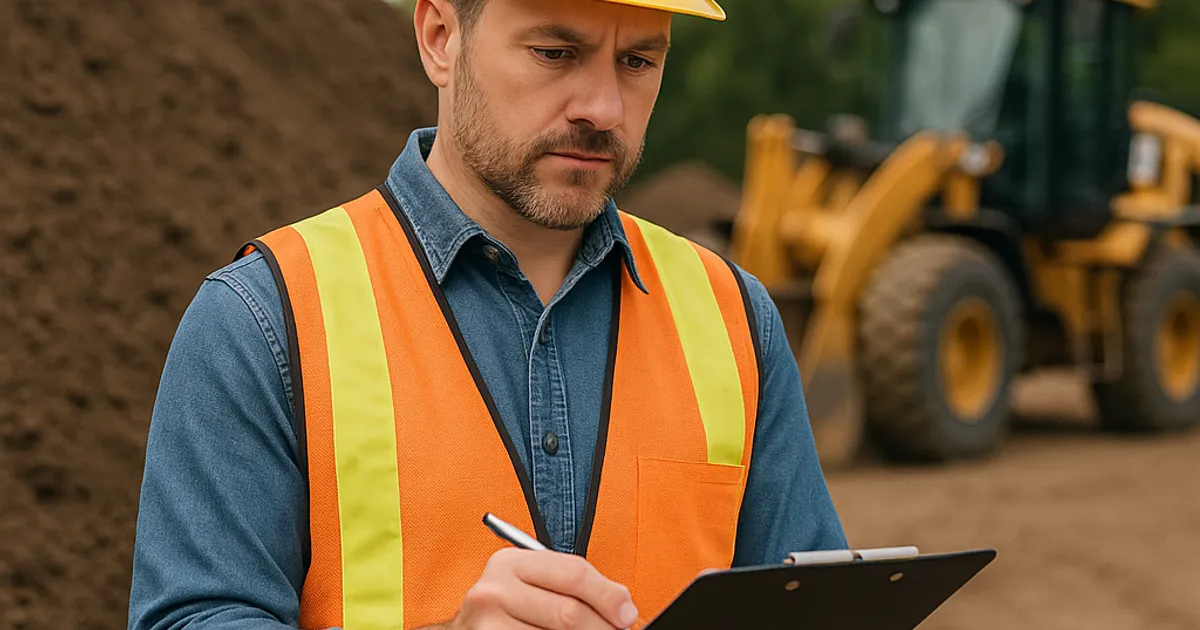

Most people look at a pile of excavated soil and see a headache — something to haul away, pay to dump, and forget about. But across the United States, a quiet revolution is reshaping how contractors, developers, farmers, and everyday property owners think about the ground beneath their feet. Dirt, rock, and aggregate materials that were once considered waste are increasingly recognized as commodities with real, measurable market value.
The numbers tell the story. The U.S. construction aggregates market — encompassing crushed stone, sand, gravel, and related materials — was valued at approximately $28.5 billion in 2023, according to the U.S. Geological Survey's Mineral Commodity Summaries. Meanwhile, the secondary market for fill dirt and topsoil is worth billions more in informal and formal transactions every year. Millions of cubic yards of perfectly usable soil are hauled to landfills at considerable expense when they could be redirected to construction sites, landscaping projects, and land reclamation efforts that desperately need them.
This guide is your comprehensive roadmap to understanding that hidden value — from how to identify what you have, to how to price it, navigate regulatory requirements, and connect with buyers who will pay fair market rates. Whether you're a homeowner who just finished a basement excavation, a contractor sitting on surplus spoils, or a farmer with gravel deposits on your property, there's a very real possibility that what's under your feet is worth far more than you think.
Understanding the Spectrum of Earth Materials and Their Market Value
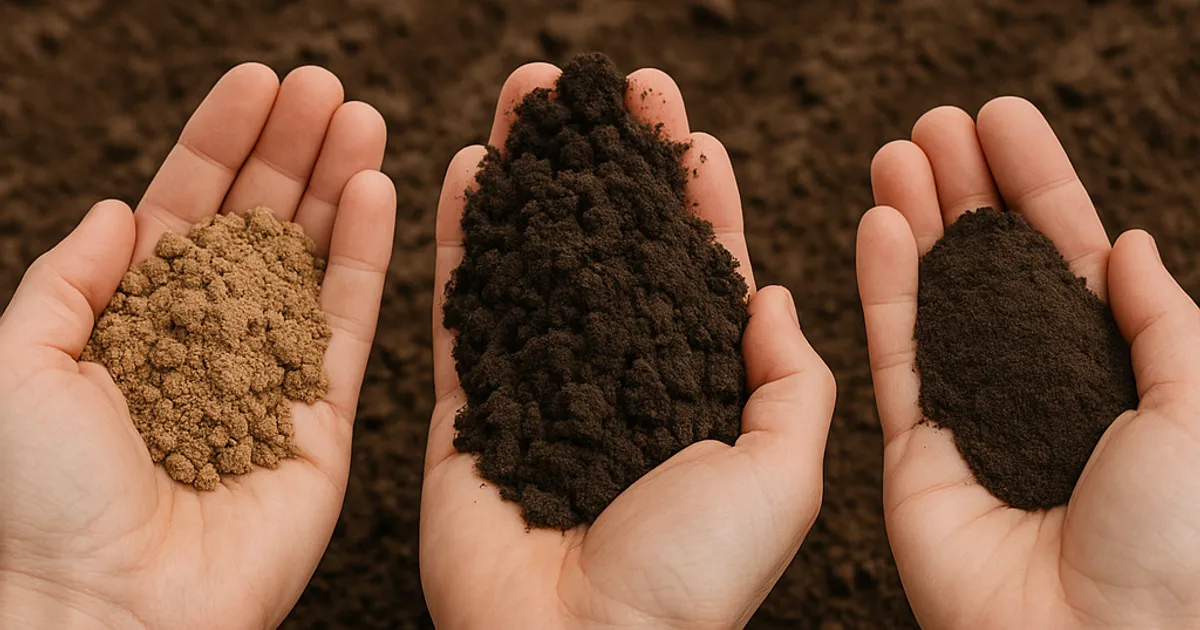
Not all dirt is created equal, and understanding the difference between material types is the first step toward monetizing what you have. The market values these materials along a wide spectrum based on composition, cleanliness, and the specific needs of buyers.
Topsoil: The Premium Product
Quality topsoil — the uppermost 5 to 12 inches of earth, rich in organic matter and biological activity — commands the highest prices in the residential and agricultural markets. According to pricing data from landscaping industry sources, screened topsoil typically sells for $15 to $50 per cubic yard, with premium blends reaching $75 or more in high-demand urban markets.
The critical distinction is between screened and unscreened topsoil. Screened topsoil has been run through a mechanical separator to remove rocks, roots, and debris, making it ready for garden beds, lawn establishment, and landscaping. Unscreened topsoil sells at a significant discount but still has value for bulk grading projects. If you have access to a screener — or can hire one for a few hundred dollars per day — the processing cost is almost always worth it.
Fill Dirt: The Volume Market
Fill dirt is sub-soil material (below the topsoil layer) that lacks significant organic content. While it sounds less impressive, fill dirt is one of the most consistently demanded materials in construction because it's used to raise grade, backfill foundations, level building pads, and create embankments. Fill dirt prices typically range from $5 to $25 per cubic yard depending on regional demand, haul distance, and material quality.
In dense urban corridors — think the dirt exchange in Los Angeles market or the dirt exchange in San Francisco Bay Area — premium fill can command $30 per yard or more simply because of the scarcity of nearby sources and the cost of long-haul trucking.
Sand and Gravel: High-Demand Aggregates
Natural sand and gravel deposits are among the most commercially valuable materials a property owner can discover. Construction sand (used in concrete and mortar) sells for $15 to $40 per ton, while pea gravel and drain rock can fetch $25 to $75 per ton in retail markets. If you have a substantial deposit — typically 5,000 tons or more — it may be worth engaging a mining engineer and an attorney to explore a formal extraction lease or sale agreement.
The U.S. Geological Survey estimates that the United States produces approximately 900 million tons of sand and gravel annually, yet demand consistently outpaces supply in many metropolitan areas, especially as infrastructure investment increases.
Crushed Rock and Rip-Rap
If your excavation or grading project encounters bedrock or large stones, don't dismiss them. Crushed rock and rip-rap (large angular stone used for erosion control) are valuable commodities. Rip-rap pricing ranges from $35 to $90 per ton depending on stone type and size. Even broken concrete — often called "recycled concrete aggregate" or RCA — has market value at $6 to $12 per ton for road base applications.
How to Assess What You Actually Have
Before you can sell your dirt or aggregate, you need to know what you're working with. A systematic assessment will help you avoid overpricing poor-quality material, undervaluing premium material, or running into regulatory problems down the road.
Step 1: Visual Inspection and Classification
Begin with a simple visual assessment. Good fill dirt should be brown to tan, free of organic debris, and have a relatively uniform texture. Red flags include dark, black, or highly organic material (this is often unsuitable as structural fill), visible clay layers that are highly expansive, trash or construction debris mixed in, and any unusual odors that might indicate contamination.
For a basic soil classification, you can perform a jar test: fill a quart jar one-third with soil, add water to fill, shake vigorously, and let it settle for 24 hours. Sand settles in minutes, silt settles in hours, and clay remains suspended. This gives you a rough sense of your material's composition.
Step 2: Soil Testing for Quality and Safety
For any material you plan to sell commercially, professional soil testing is strongly recommended and may be legally required in your jurisdiction. A standard agricultural soil test costs $15 to $30 per sample and measures pH, nutrient content, and organic matter — useful for topsoil valuation. For fill material going to construction sites, buyers may require a geotechnical classification per ASTM D2487 (Standard Practice for Classification of Soils for Engineering Purposes).
More critically, if your property has ever had industrial use, underground storage tanks, or known contamination history, you should conduct a Phase I Environmental Site Assessment before selling any soil. The EPA's brownfields regulations impose strict liability on parties who move contaminated soil, and the penalties can be severe — far exceeding any profit from the sale.
Step 3: Volume Estimation
Accurate volume estimation determines whether your material is worth the effort of selling. Use this formula for a basic stockpile:
- Cone-shaped pile: Volume = (1/3) × π × r² × h
- Rectangular stockpile: Volume = Length × Width × Average Height
Remember the swell factor: excavated material occupies roughly 25-30% more volume than in-situ (in-ground) material. So 100 cubic yards in the ground becomes approximately 125-130 cubic yards in a stockpile. When quoting buyers, be clear whether you're pricing bank yards (in-ground), loose yards (stockpiled), or compacted yards (after placement).
The Real Cost of NOT Selling Your Dirt
Many property owners don't fully appreciate the financial opportunity cost of simply hauling their excess material to a landfill. Let's put real numbers to this.
A typical home basement excavation generates 200 to 400 cubic yards of spoil material. At an average disposal cost of $15 to $35 per cubic yard for hauling and tipping fees, that's $3,000 to $14,000 spent to remove material that someone else desperately needs. And that's before factoring in the tipping fees at the landfill or transfer station, which in states like California, Washington, and Massachusetts can add another $25 to $60 per ton due to landfill surcharges and regulatory compliance costs.
Now flip the equation. If even half of that material is sellable fill dirt at $12 per yard, and you're looking at 200 yards, that's $2,400 in revenue instead of a $6,000+ disposal bill — a swing of nearly $8,400. On larger commercial projects involving tens of thousands of cubic yards, the economics become even more dramatic.
Platforms like DirtMatch make this swap from expense to income far more accessible by connecting material sources with nearby projects that need fill, effectively creating a marketplace where both sides win — the seller avoids disposal costs and the buyer gets competitively priced local material.
Regulatory Landscape: What You Must Know Before You Sell
The single biggest mistake first-time dirt sellers make is ignoring the regulatory environment. Depending on your state, county, and municipality, selling or transporting soil and aggregate materials may trigger a surprising number of legal requirements.
State Environmental Regulations
Most states regulate the movement of fill material under their solid waste or environmental protection statutes. While clean fill (uncontaminated soil, rock, and concrete) is generally exempt from hazardous waste regulations, many states have enacted clean fill policies that define exactly what qualifies as "clean" and what documentation is required.
For example:
- California (Cal/EPA) requires that fill material meet specific thresholds for metals, organics, and other contaminants, and generators may need to complete a Waste Discharge Requirements (WDR) process.
- Washington State regulates fill placement under the Model Toxics Control Act (MTCA) and requires documentation of source site conditions.
- Massachusetts regulates fill movement under 310 CMR 19.000 and the MassDEP Waste Ban regulations.
Always check with your state environmental agency before selling or accepting fill material. The EPA's State Environmental Agencies directory is the best starting point.
Local Zoning and Land Use Permits
If you plan to operate a recurring soil sales operation — rather than a one-time sale of excavation spoils — you may need a conditional use permit or extraction permit from your county or municipality. Operating a commercial fill material business without proper zoning approval can result in cease-and-desist orders, fines, and forced removal of stockpiled material at your expense.
Transportation Regulations
Trucking soil and aggregate is subject to Federal Motor Carrier Safety Administration (FMCSA) regulations and state DOT weight limits. A standard tandem-axle dump truck carries approximately 14 to 18 tons per load, and overweight loads on public roads can generate significant fines. Ensure your buyers' hauling contractors are properly licensed and compliant — particularly relevant if you're arranging the transportation as part of the sale.
OSHA Requirements for Stockpile Operations
If you're managing a stockpile operation with employees or contractors on-site, OSHA 29 CFR 1926 Subpart P governs excavation and trenching safety. Stockpile slopes, equipment operation near material piles, and worker safety around earth-moving equipment all fall under federal safety standards.
Pricing Your Material: A Market-Based Approach
Pricing dirt and aggregate correctly is both art and science. Set your price too high and buyers will source from elsewhere; set it too low and you leave money on the table. Here's a structured approach to pricing:
Market Research Framework
Start by researching what similar materials sell for within a 50-mile radius of your location. Call local landscape supply yards, quarries, and ready-mix concrete companies for retail pricing — your wholesale price to contractors will typically be 20-40% below retail.
Key factors that influence price:
| Factor | Price Impact |
|---|---|
| Material quality (screened vs. unscreened) | +15% to +50% for screened |
| Proximity to buyer's site | Higher demand = higher price |
| Volume of transaction | Large volume = lower per-yard price |
| Loading assistance provided | +$2-$5/yard if you load their trucks |
| Contamination-free certification | +$3-$8/yard premium |
| Urgency of buyer's need | Premium of 10-25% possible |
| Regional market conditions | Varies significantly by metro area |
Pricing Benchmarks by Material Type
| Material | Typical Wholesale Range | Retail Range |
|---|---|---|
| Unscreened Fill Dirt | $2 - $10/cy | $8 - $20/cy |
| Screened Topsoil | $12 - $25/cy | $25 - $55/cy |
| Sandy Loam | $15 - $30/cy | $30 - $65/cy |
| Clean Sand | $12 - $25/ton | $25 - $50/ton |
| Pea Gravel | $20 - $40/ton | $35 - $75/ton |
| Drain Rock (3/4") | $18 - $35/ton | $30 - $65/ton |
| Rip-Rap | $25 - $55/ton | $45 - $90/ton |
| Recycled Concrete Aggregate | $5 - $12/ton | $12 - $25/ton |
Note: cy = cubic yard. Prices vary significantly by region and market conditions.
Finding Buyers: Where the Real Money Is Made
Having quality material at the right price is only half the battle. The other half is connecting with buyers who need it. Fortunately, the market for fill and aggregate is robust — the challenge is logistics and visibility.
Who Buys Dirt and Aggregate?
General Contractors and Excavators are the largest volume buyers. They need fill for site grading, foundation backfill, and road base preparation on a constant basis. Reach them through local construction associations, contractor networks, and digital platforms.
Landscaping Companies are frequent buyers of topsoil, screened fill, and decorative aggregates. Garden centers and landscape supply companies also buy in bulk to resell.
Farmers and Agricultural Operations often need fill for pond construction, land leveling, and erosion control. The agricultural market is often underserved and willing to pay fair prices for clean, certified material.
Municipal and Government Projects — road departments, parks agencies, and utility districts — are significant buyers that often require competitive bidding. These contracts are larger and more stable but require proper licensing and sometimes bonding.
Homeowners and DIYers pay retail prices and represent the highest margin per yard — but they buy in small volumes and require more logistical support.
Digital Platforms and Marketplaces
The most efficient way to connect with serious buyers is through a dedicated platform. Understanding how DirtMatch works reveals why it's become a go-to resource for contractors and property owners across the country: sellers post their available material with location, volume, and material type, and the platform's matching algorithm connects them with vetted buyers in their region who are actively seeking that material. This eliminates the time-consuming cold-calling and guesswork that used to define the informal dirt market.
Traditional Networking Approaches
- Post material availability on Craigslist (free fill dirt listings are consistently popular)
- Contact your local home builders association — members are perpetually seeking fill sources
- Reach out to civil engineering firms managing local subdivisions and commercial developments
- List with landscape supply distributors who may aggregate material from multiple sources
- Network with utility contractors who regularly need fill for pipeline and conduit backfill
Find or Post Dirt, Rock & Aggregate
Join thousands of contractors using DirtMatch to buy, sell, and exchange earthwork materials.
Try DirtMatch FreeRegional Spotlight: Where the Dirt Market Is Hottest
Market conditions for dirt and aggregate vary dramatically by region. Understanding where demand is highest helps you calibrate your expectations and pricing.
Western Markets: Premium Pricing and Tight Supply
The Pacific Coast and Mountain West represent some of the most active markets for fill and aggregate. California's construction boom, combined with increasingly restrictive environmental regulations on quarrying operations, has created chronic aggregate scarcity. The dirt exchange in San Diego and Los Angeles markets regularly see fill dirt prices 40-60% above national averages.
The dirt exchange in Denver has become particularly active as Front Range development accelerates. Colorado's strict cut-and-fill regulations on mountain sites mean that excavated material from one project is often exactly what another project needs — but connecting those parties has historically been inefficient.
In the Pacific Northwest, the dirt exchange in Seattle market is constrained by both high land values (making local quarrying difficult) and strict environmental protocols around soil movement under Washington State's MTCA framework.
Mountain Markets: Specialty Aggregate Opportunities
The dirt exchange in Boulder area reflects a market where quality topsoil commands serious premiums due to the region's semi-arid climate and active landscaping culture. Native soil amendments and topsoil blends suitable for high-altitude gardening can fetch $50-$80 per cubic yard in this market.
Northeast Markets: Dense Urban Demand
The dirt exchange in Boston market is characterized by a chronic shortage of clean fill due to the region's dense development, legacy contamination issues in urban core areas, and strict MassDEP regulations on soil movement. This creates significant demand for certified clean fill from suburban and rural sources willing to transport to urban job sites.
Maximizing Value: Processing and Value-Added Services
Raw, unprocessed material is always worth less than processed material. Understanding the value chain — and where simple investments in processing can dramatically increase your return — is key to maximizing the hidden wealth in your ground.
Screening: The Biggest Value Multiplier
Running dirt through a screener to remove rocks, roots, and debris is typically the single highest-ROI investment in the dirt business. A trommel screen rental costs $500 to $1,500 per day, and a good operator can process 500 to 1,000+ cubic yards per day. If that processing increases your per-yard price from $8 (unscreened) to $22 (screened), you've added $14 per yard in value — meaning a 500-yard day of screening adds $7,000 in gross revenue for a $1,500 equipment cost.
Blending: Creating Premium Products
Topsoil blenders create premium products by mixing base soil with compost, peat, or other amendments to achieve specific nutrient profiles and textures. A 3-way blend of topsoil, compost, and coarse sand is commonly marketed as "garden mix" or "planting mix" and can retail for $55 to $90 per cubic yard — two to four times the value of raw topsoil.
On-Site Loading Services
Offering a loader operator and equipment to load buyer trucks adds convenience that commands a price premium. Many buyers — especially landscapers and smaller contractors — will pay $3 to $8 more per yard rather than bring their own loading equipment. If you're already renting an excavator for another purpose, this is essentially free revenue.
Moisture Management
For fill dirt sold to construction projects, moisture content matters. Structural fill specifications (often referencing ASTM D1557 Proctor Compaction standards) require material to be within a specified moisture range for proper compaction. Material that's too wet or too dry may require conditioning before placement. Offering properly conditioned material — turned and aerated if too wet, or lightly watered if too dry — can command a premium from buyers who need immediate placement.
The Business of Dirt: From One-Time Sale to Ongoing Revenue Stream
For property owners with substantial deposits, or contractors who regularly generate excess spoils, dirt and aggregate sales can evolve from a one-time transaction into a meaningful revenue stream.
Operating a Fill Material Business
If you're seriously considering regular sales operations, here are the key business elements to address:
Legal Structure: Establish an LLC or corporation to protect personal assets from liability related to material quality disputes or environmental issues. Attorney fees for this setup typically run $500 to $2,000.
Insurance: Commercial general liability insurance covering material sales typically runs $1,500 to $4,000 annually for small operations. If you're loading customer trucks with equipment, you'll also need equipment operators insurance.
Contracts and Documentation: Never sell fill material without a written sales agreement that specifies material type, volume, pricing, and — critically — a materials certification clause stating the material's source and any testing conducted. This protects you from liability if a buyer later claims contamination issues.
Record-Keeping: Maintain weight tickets, delivery records, and soil test documentation for every transaction. Many states require this documentation for environmental compliance, and it's your best defense in any dispute.
Recurring Revenue Through Contractor Relationships
The most profitable model for ongoing dirt sales is establishing long-term relationships with general contractors and developers who generate surplus material on one project and need it on another. Positioning yourself as a reliable, documented material source — or as a trusted disposal partner for clean spoils — creates recurring revenue without constant marketing effort.
This is precisely the model that DirtMatch Pro is designed to support, giving contractors and material suppliers enhanced tools for managing ongoing material exchange relationships, including verified listings, priority matching, and volume tracking across multiple projects.
Environmental Considerations and Sustainability
Beyond the financial opportunity, there's a compelling environmental case for keeping clean fill material in use rather than sending it to landfills. The construction industry generates enormous quantities of excavation spoils annually, and finding productive reuse pathways for this material is increasingly recognized as a critical sustainability imperative.
The Landfill Problem
The EPA estimates that construction and demolition debris — including excavation soils — accounts for approximately 600 million tons of waste annually in the United States, more than twice the amount of municipal solid waste. A significant portion of this material is clean fill that could be productively reused, but poor market connectivity sends it to landfills where it consumes valuable capacity.
Carbon Footprint Considerations
Long-haul trucking of aggregate materials is a significant source of construction-sector carbon emissions. A loaded dump truck carrying 15 tons of fill averages approximately 6 to 8 miles per gallon, generating roughly 0.5 to 0.7 tons of CO₂ per 100 miles of travel. Connecting buyers with nearby sources rather than distant quarries or landfills meaningfully reduces the carbon footprint of construction projects — an increasingly important consideration for projects pursuing LEED certification or other green building standards.
Land Reclamation and Beneficial Reuse
Fill material plays a critical role in environmental remediation and land reclamation projects. Properly certified clean fill is used to cap and remediate brownfield sites, restore graded mining lands, and create wetland mitigation banks. These regulatory-driven projects often pay premium prices for documented, tested fill material — a significant opportunity for sellers who invest in proper soil certification.
Step-by-Step Action Plan: From Assessment to First Sale
Ready to turn your excess earth into income? Here's a practical roadmap:
Step 1: Inventory What You Have Conduct a visual assessment, estimate your volume, and identify the primary material types. Photograph your stockpile or in-ground deposits from multiple angles.
Step 2: Test Your Material Engage a local soil lab or environmental consultant for appropriate testing. At minimum, get a basic soil classification. If there's any contamination concern, invest in a Phase II Environmental Site Assessment before proceeding.
Step 3: Research Local Market Pricing Call three to five local landscape supply yards, quarries, or fill suppliers for comparable pricing. Adjust for your material's quality and the convenience you're offering buyers.
Step 4: Address Regulatory Requirements Contact your state environmental agency and local planning department to understand what permits, documentation, or notifications are required for your material type and sales volume.
Step 5: Prepare Your Material Decide whether to screen, blend, or process your material based on the ROI calculation. Ensure access roads and loading areas are safe and accessible for buyer trucks.
Step 6: List and Market Your Material Create listings on digital platforms, notify your contractor network, and post on relevant industry forums. Include clear photos, accurate volume estimates, material test results, and pricing.
Step 7: Execute Sales With Proper Documentation Use written contracts for every transaction. Maintain weight tickets and retain a copy of all material certifications provided to buyers.
Step 8: Collect Payment and Reinvest For repeat operations, reinvest early revenue into processing equipment or marketing to increase volume and margins.
Choosing the Right Platform: Technology That Works for You
The dirt and aggregate market has historically been informal, relationship-driven, and highly inefficient — which is exactly why technology platforms are creating such significant value. The right platform does more than list your material; it connects you with verified, qualified buyers who are actively searching, filters for location and material type, and provides the documentation trail that protects both parties.
When evaluating platforms for buying or selling earth materials, look for:
- Geographic matching capability — connecting you with buyers within a practical hauling radius
- Material type filtering — so buyers searching for specific aggregates can find your listing
- Verification systems — confirming that both buyers and sellers are legitimate businesses
- Volume and scheduling tools — especially important for multi-load transactions spread over days or weeks
- Documentation support — helping maintain the paper trail required for regulatory compliance
If you're ready to stop treating your excess dirt as a liability and start treating it as the asset it is, get started with DirtMatch today. The platform's intuitive interface walks you through listing your material, setting your pricing, and connecting with buyers in your region — turning what was once a disposal problem into a revenue opportunity in minutes.
Conclusion: The Ground Beneath Your Feet Is Worth More Than You Think
The hidden economy of dirt, rock, and aggregate moves billions of dollars every year — and much of that value is created not by mining companies or major quarry operations, but by ordinary property owners and contractors who recognize what they have and know how to connect with people who need it.
Whether you're sitting on 50 yards of excavation spoils from a landscaping project or 50,000 yards of clean fill from a commercial site development, the market for your material exists. The gap between knowing you have something valuable and actually converting it to income comes down to three things: understanding what you have, knowing the regulatory landscape, and connecting with the right buyers efficiently.
The tools, the market knowledge, and the platform connections are all available to you right now. The question is whether the dirt in your backyard stays a cost center — or becomes a revenue stream. Given the numbers we've examined throughout this guide, the answer seems clear. It's time to start thinking about what's beneath your feet as the commodity it truly is.
Material pricing figures represent national ranges and are subject to significant regional variation. Always consult local suppliers, licensed environmental professionals, and regulatory authorities before conducting commercial soil sales operations.